Formosan Cypress Care (Chamaecyparis formosensis)

Also known as: Taiwan Cypress, Taiwan Red Cypress, Formosan False Cypress
Formosan Cypress

About Formosan Cypress

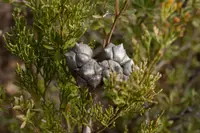
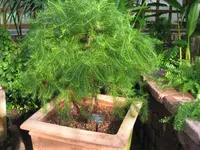
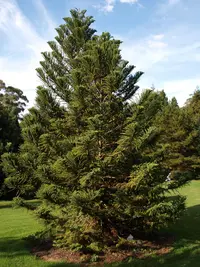
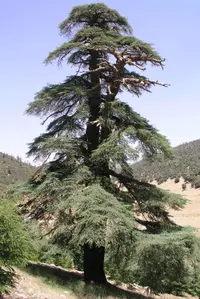
Formosan cypress, Chamaecyparis formosensis, is a slow-growing coniferous tree valued for its fine, feathery foliage and straight, elegant trunk. In nature it can become a large forest tree, but in cultivation it is often grown as an ornamental specimen or in collections. Native to high mountain forests of Taiwan, it prefers cool, humid conditions and clean, well-drained soil. The wood is naturally aromatic and decay resistant, which has made the species historically important as a timber tree. For gardeners, the main challenges are its need for consistent moisture without waterlogging and its preference for mild climates. Understanding how to care for Formosan Cypress starts with providing steady moisture, protection from extreme heat, and neutral to slightly acidic, free-draining soil.

Main Plant Requirements

Care Difficulty

Moderate Care

Light Preference

Full Sun

Water Requirements

Moderate Water

Temperature Preference

Warm Climate

Hardiness Zone

8–10

Soil Texture

Loamy, Sandy, Organic-rich

Soil pH

Acidic (5.5–6.5)

Soil Drainage

Moist but well-drained

Fertilization

Minimal (feed rarely)

Get Personalized Care Plan

Scan your plant to receive care tips personalized for your specific plant

Available on iOS and Android

How to Care for the Formosan Cypress

This species prefers cool, bright conditions with some protection from harsh midday sun.

  • Provide 4–6 hours of direct morning sun with light afternoon shade, or bright dappled light throughout the day, especially in hotter regions.
  • Tolerates partial shade, but in less than 3–4 hours of sun growth becomes looser and foliage color dulls, especially on lower branches.
  • In summer, protect from strong afternoon sun to reduce leaf scorch and drying winds; in winter, ensure exposure to open sky to maximize low-angle light.

Chamaecyparis formosensis prefers evenly moist, well-drained soil that never stays soggy.

  • Water when the top 3–5 cm of soil feels dry; aim for consistent moisture in the root zone without waterlogging, especially during the first 2–3 years after planting.
  • Use deep, infrequent watering so moisture reaches 15–25 cm deep; sandy or sloping sites may need slower, longer watering to prevent runoff.
  • Watch for yellowing, soft foliage and persistent wet soil as signs of overwatering, and browning tips or drooping, brittle foliage as signs of underwatering.

This conifer prefers mild, cool-temperate conditions with good tolerance of typical garden cold once established.

  • Optimal growth occurs around 50–75°F (10–24°C), with steady moisture and shelter from hot, drying winds.
  • Mature trees tolerate brief drops to about 10–15°F (-12 to -9°C), but young plants benefit from protection against hard, exposed frost and freeze–thaw cycles.
  • In hot summers above 85°F (29°C), provide mulch, wind protection, and partial afternoon shade to reduce heat stress and foliage scorch.

This species prefers moderate, slightly moist air rather than very dry indoor conditions.

  • Target 40–60% humidity, which suits most temperate outdoor sites and sheltered patios.
  • Tolerates brief drier spells, but prolonged air below 30% can cause browning tips and increased needle drop.
  • Increase humidity by grouping plants, placing containers near other vegetation, or using windbreaks that reduce drying winds without trapping stagnant air.

This conifer needs consistently moist, well-drained, slightly acidic soil to develop stable, healthy roots.

  • Use a loamy mix with high organic matter, such as garden loam blended with composted bark and leaf mold, to balance moisture retention and aeration.
  • Ensure fast drainage by incorporating coarse sand or fine gravel in heavier soils, preventing water from pooling around the root zone.
  • Aim for slightly acidic to neutral pH, around 5.5–7.0, which supports nutrient availability and root health in Chamaecyparis formosensis.
  • Avoid compacted clay, waterlogged low spots, and pure sand; amend these with organic matter and structural aggregates to reduce extremes of saturation or drought.

This species can be grown in containers when provided with stable, cool roots and careful moisture management.

  • Select a deep, heavy container that resists tipping and allows the developing taproot and lateral roots to anchor securely.
  • Use a bark-based, freely draining mix that still holds some moisture, preventing rapid drying in warm or windy conditions.
  • Choose light-colored pots in full sun sites to reduce root-zone overheating, which can stress fine feeder roots near the container wall.

Nutrient needs for Formosan Cypress are modest, but light feeding supports steady growth in containers and managed landscapes.

  • Use a balanced slow-release fertilizer (for example 10-10-10) or well-rotted compost mixed into the topsoil in spring.
  • Feed once in early spring and, if growth is weak, again in midsummer during the active growing season.
  • Apply at 1/2 the label rate for trees in the ground and about 1/2–3/4 strength for container plants.
  • Skip or greatly reduce feeding in late fall and winter to avoid forcing soft, cold-sensitive growth.

Chamaecyparis formosensis responds well to light, planned pruning that maintains structure without cutting into old bare wood.

  • Carry out main pruning in late winter to early spring before new growth starts, with only light touch-ups in summer.
  • Remove dead, diseased, crossing, or storm-damaged branches first to keep the canopy healthy and stable.
  • Shorten or thin crowded outer shoots to refine shape and control size, keeping natural, tapered form.
  • Use sharp, clean bypass pruners or loppers; make cuts just above a side shoot and avoid shearing deeply into older inner branches.

This species is usually grown in the ground, so focus on careful transplanting and only occasional repotting for young container plants.

  • Plan major transplanting for late winter to early spring while growth is slow and soil is workable.
  • Look for signs such as roots circling the pot, water running off quickly, or slowed growth to decide when a container plant needs a larger pot.
  • Step up only 1–2 pot sizes, keep the root ball intact, and backfill with a free-draining, slightly acidic mix to limit stress.
  • Water thoroughly after moving, mulch lightly, and shade from strong sun and wind for 1–2 weeks to support root recovery.

Chamaecyparis formosensis is usually propagated by semi-hardwood cuttings or seed, often under controlled nursery conditions.

  • Take semi-hardwood cuttings in late summer, 7–10 cm long, from healthy, non-flowering shoots.
  • Remove lower foliage, dip the base in a rooting hormone, and insert into a sterile, well-drained medium such as perlite and peat.
  • Maintain bright, indirect light, high humidity, and temperatures around 65–75°F until roots form.
  • Sow fresh seed in trays, keep evenly moist, and use a cold stratification period if germination is slow.

This species prefers mild climates and benefits from some winter attention where temperatures drop below freezing.

  • In regions colder than about USDA zone 8, young plants can suffer damage from hard frost or prolonged freezes.
  • Apply a 5–8 cm layer of mulch around the root zone, keeping it slightly away from the trunk to moderate soil temperature.
  • For exposed sites, use windbreak fabric or burlap around stakes to reduce desiccating winter winds, especially for young trees.
  • Move container-grown plants into a cold, sheltered location such as an unheated garage, keeping the root ball just slightly moist.

Care Tips

Shelterbelt placement

Plant in a location with some protection from prevailing winter winds or use a windbreak fence to reduce desiccation and branch dieback in exposed sites.

Single-leader training

During the first 3–5 years, select one strong vertical leader and remove or shorten competing uprights in late winter to maintain a stable central trunk and reduce future storm damage.

Mulch root zone

Maintain a 5–8 cm layer of wood-chip or bark mulch over the rooting area, keeping it a few cm away from the trunk, to buffer soil temperature and moisture and protect the plant’s shallow feeder roots.

Soil aeration checks

Every couple of years, lightly probe the upper 10–15 cm of soil with a hand fork outside the drip line; if it feels compacted, carefully loosen only the top layer to improve gas exchange without disturbing main roots.

Prevent scale buildup

Inspect inner branches 2–3 times per year for scale insects and treat early with a targeted horticultural oil spray if needed, which is an important part of caring for Formosan Cypress in many urban landscapes.

Common Pests and Diseases

Cypress aphids

This pest feeds on sap from young shoots, causing yellowing, browning, and dieback of branch tips, especially on stressed trees. Symptoms include sticky honeydew and sooty mold on foliage and bark.

Solution

Prune out heavily infested shoot tips and dispose of them away from the planting area. Encourage natural predators (lady beetles, lacewings), use a strong water spray to dislodge colonies, and, if needed, apply a targeted horticultural soap or neem oil to the undersides of affected sprays according to label directions.

Cypress bark beetles

These insects bore into stems and trunks, introducing staining fungi and disrupting water flow, which leads to flagging and dieback of individual branches or whole sections of the crown. Symptoms include small round exit holes and reddish boring dust on the bark surface.

Solution

Promptly remove and destroy severely infested branches or entire declining trees to reduce beetle populations. Keep trees healthy with adequate water during dry periods, avoid mechanical trunk injuries, and consider preventive trunk sprays with a labeled pyrethroid only if beetle activity is confirmed in the local area.

Seiridium canker

This disease causes sunken, resin-soaked cankers on branches and stems, leading to sudden browning of individual shoots or entire branches while nearby foliage remains green. Symptoms include oozing resin at the canker margin and rough, cracked bark around infected areas.

Solution

Prune out affected branches at least 15–20 cm below visible cankers during dry weather and disinfect cutting tools between cuts with alcohol or a 10% bleach solution. Improve air circulation, reduce drought stress with consistent watering and mulch, and avoid overhead irrigation, which can spread spores along the canopy.

Botryosphaeria canker

This disease infects stressed cypress tissues, producing elongated dark cankers and progressive dieback that often starts on lower branches. Symptoms include scattered dead twigs, dark discoloration under the bark, and minimal resin flow compared with other cankers.

Solution

Cut out infected branches well below the discolored wood and destroy removed material to limit spore sources. Reduce plant stress by maintaining even soil moisture, avoiding excess nitrogen fertilization, and spacing trees to allow good airflow, which supports more resilient Chamaecyparis formosensis plant care.

Needle blight

This disease leads to browning and shedding of inner or lower foliage, often forming distinct bands of dead needles while outer tips remain green. Symptoms include small dark fruiting bodies on dead scales and a gradual thinning of the canopy from the inside out.

Solution

Rake up and remove fallen needles and thinned foliage to reduce fungal inoculum, and avoid overhead watering that keeps foliage wet for long periods. Where the problem recurs, apply a labeled conifer fungicide in early spring and again during prolonged wet, cool periods, and maintain good spacing to increase light and air movement through the crown.

Interesting Facts

Endemic Taiwanese conifer

This species occurs naturally only in the high mountains of Taiwan, typically between about 1,300–2,800 m, where it forms part of cool, moist cloud forests with other temperate conifers and broadleaf trees.

Highly durable heartwood

Its reddish-brown heartwood is naturally resistant to decay and insects, which historically led to extensive use in temples, traditional architecture, and high-end carpentry in Taiwan.

Threatened by overharvesting

Heavy logging during the 20th century greatly reduced natural populations, and the species is now listed as Vulnerable on the IUCN Red List, leading to stronger legal protection and a shift toward plantation-grown material.

Botan icon

Did you know?

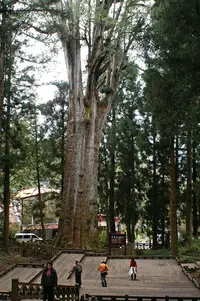
Some individuals of this species have been dated at more than 1,000 years old, and ancient trees in remote Taiwanese mountain forests are regarded as natural monuments because of their exceptional age and size.

FAQs about Formosan Cypress

This species has a moderate growth rate, often adding 20–40 cm per year in suitable outdoor conditions. Young trees may establish slowly, then accelerate once roots are well developed and competition or stress is low.

Grow Healthy Plants with Botan Care

Keep your plants happy and healthy with plant identification, disease detection, and easy care guidance.

Botan plant care app — identify plants on mobile

Explore More Plants