Dye Fig Care (Ficus tinctoria)

Also known as: fig
Dye Fig

About Dye Fig

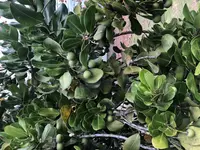
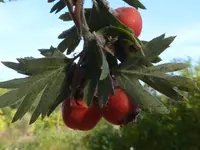
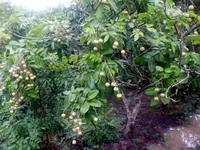
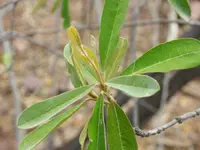
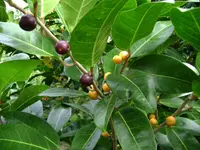
Dye fig, Ficus tinctoria, is a small to medium tropical fig tree grown for its colorful fruit and traditional use as a natural dye source. It usually has a spreading crown, leathery green leaves, and small figs that often ripen to shades of orange or red along the branches.

This species is native to coastal and lowland forests across Southeast Asia and the Pacific Islands, where it can grow as a free-standing tree or a hemiepiphyte that starts on other trees. It is generally robust in warm climates but can be challenging indoors without stable warmth, bright light, and regular moisture.

Gardeners who learn how to care for Dye Fig often value it as an unusual edible and ornamental fig in suitable climates.

Main Plant Requirements

Care Difficulty

Moderate Care

Light Preference

Partial Sun

Water Requirements

Moderate Water

Temperature Preference

Tropical / Frost Sensitive

Hardiness Zone

10–12

Soil Texture

Sandy, Loamy, Organic-rich

Soil pH

Acidic (5.5–6.5), Slightly acidic (6.5–7.0)

Soil Drainage

Moist but well-drained

Fertilization

Minimal (feed rarely)

Get Personalized Care Plan

Scan your plant to receive care tips personalized for your specific plant

Available on iOS and Android

How to Care for the Dye Fig

This species prefers bright, filtered light similar to open forest edges.

  • Provide 4–6 hours of bright, indirect light daily; gentle morning sun is suitable, but shelter from harsh midday and late-afternoon sun to prevent leaf scorch.
  • Tolerates light shade, yet dense shade leads to sparse growth, smaller leaves, and reduced fruiting in mature Dye Fig specimens.
  • Outdoors, use dappled light under taller trees; in higher latitudes, shift plants to slightly brighter positions in winter to compensate for weaker sun.

Ficus tinctoria prefers evenly moist, well-drained soil without long periods of saturation.

  • Water when the top 3–5 cm of soil feels dry, allowing water to penetrate deeply, then drain freely to avoid standing water around the roots.
  • Reduce watering in cooler months when growth slows, but do not let the root zone dry out completely for more than a short period.
  • Yellowing, soft leaves and a sour soil smell suggest overwatering, while dull, drooping leaves and dry, pulling-away soil indicate underwatering.

This fig grows best in consistently warm, frost-free conditions.

  • Aim for 70–85°F (21–29°C) for active growth, with slightly cooler nights still acceptable if above the minimum tolerance.
  • Protect from temperatures below 40°F (4°C); brief dips may be survived, but foliage damage and root stress increase sharply as temperatures approach freezing.
  • In hot climates, it tolerates 90–95°F (32–35°C) if soil moisture is stable and foliage is shaded from extreme afternoon heat.

This species prefers moderately humid air and shows stress if kept too dry for long periods.

  • Aim for 50–70% humidity, as very dry heated rooms increase leaf edge browning and tip dieback.
  • Tolerates short spells around 35–40% but prolonged dryness causes slow growth and increased leaf drop in Dye Fig.
  • Increase humidity with a nearby humidifier, grouped plants, or a large pebble tray, rather than misting that adds only brief surface moisture.

Ficus tinctoria grows best in a loose, airy mix that drains quickly but holds steady, moderate moisture.

  • Use a peat- or coco coir-based mix amended with 20–40% perlite or pumice and 10–20% fine bark to create a slightly chunky, loamy structure.
  • Aim for slightly acidic to neutral pH around 6.0–7.0, avoiding very alkaline mixes that can reduce nutrient availability and cause chlorosis.
  • Improve aeration by ensuring visible coarse particles in the mix so roots receive oxygen and the pot does not stay waterlogged after each watering.
  • Avoid heavy garden soil, unamended compost, or mixes that feel dense and smear when wet, as these promote root rot and compaction.

This species adapts well to container culture when the pot supports its woody root system and vertical growth habit.

  • Choose a container wider than it is deep to balance the woody root mass and prevent the plant from becoming top-heavy in wind or drafts.
  • Select heavier materials like ceramic or clay outdoors to add stability as the canopy gains height and leverage.
  • Ensure drainage holes stay fully open and elevate the pot slightly so excess water exits freely and does not pool under the root zone.

Ficus tinctoria responds well to moderate feeding in containers, while in-ground trees often need little extra nutrition.

  • Use a balanced liquid fertilizer (around 10-10-10) at 1/2 strength every 4–6 weeks in spring and summer.
  • Apply a slow-release fertilizer or light compost top-dressing at the start of the growing season for steady nutrients.
  • Reduce feeding in fall and stop in winter when growth slows, especially for Dye Fig kept indoors.
  • Water before and after feeding to limit root burn and support even nutrient uptake.

Pruning helps manage size and structure of Ficus tinctoria, especially in containers or small gardens.

  • Plan main pruning in late winter or early spring before vigorous new growth starts.
  • Remove dead, diseased, or crossing branches first, then thin crowded interior shoots for light and airflow.
  • Shorten overly long or leggy stems to shape the canopy and encourage denser branching.
  • Use clean, sharp bypass pruners, making cuts just above a bud or side branch to promote healthy regrowth.

Container-grown Ficus tinctoria benefits from periodic repotting or transplanting to support steady growth.

  • Look for roots circling the pot, pushing through drainage holes, or slowed growth as signs it needs a larger container.
  • Plan repotting or outdoor transplanting in spring, allowing warm months for root recovery and establishment.
  • Move young plants every 2–3 years into a pot 2–5 cm wider, using fresh, well-drained soil.
  • Minimize root stress by watering well before and after, loosening roots gently, and shading the plant for several days.

Ficus tinctoria is most commonly propagated from semi-hardwood cuttings taken during the warm growing season.

  • Take 10–15 cm cuttings in late spring or early summer from healthy, non-flowering stems.
  • Remove lower leaves, dip the cut end in rooting hormone, and insert into a moist, free-draining mix.
  • Maintain high humidity and warmth around 70–80°F with bright, indirect light to support root formation.
  • Seeds can also be sown in warm conditions, but germination is slower and more variable than cuttings.

This tropical fig is frost-sensitive and needs thoughtful winter care in temperate climates.

  • Keep temperatures above 50°F; growth slows and damage occurs if exposed to frost or freezing conditions.
  • Move container plants indoors or into a heated greenhouse before the first expected frost date.
  • Use 5–8 cm of organic mulch around outdoor root zones in mild climates to buffer soil temperature.
  • Reduce watering in winter, keeping the soil just slightly moist to avoid root rot in cool conditions.

Care Tips

Support early structure

Stake young plants with a sturdy cane and soft ties during the first 1–2 years so trunks and main branches set a strong, upright framework before the wood becomes rigid.

Root-zone containment

In the ground, use a root barrier panel or plant in a large buried container to limit spreading roots and make long-term maintenance and lifting of suckers more manageable.

Controlled canopy training

Select 3–5 main scaffold branches and remove competing shoots gradually over several seasons to form an open, layered canopy that improves light penetration and fruiting wood quality.

Regular sucker removal

Inspect the base and main roots every 4–6 weeks and cut off basal suckers cleanly at their point of origin so energy goes into the main framework rather than unwanted thickets.

Pollination planning

In regions where the natural fig wasp is absent, plan whether the plant is grown primarily for foliage and shade or source compatible pollinated material from specialist nurseries to optimize results when growing Dye Fig.

Common Pests and Diseases

Fig leaf beetle

This pest feeds on young leaves, creating irregular holes and skeletonized foliage on Ficus tinctoria, especially in warm, humid regions. Symptoms include reduced leaf area and a ragged canopy on both cultivated and naturalized trees.

Solution

Hand-pick adult beetles and larvae where practical and prune heavily infested twigs. For larger trees, encourage natural predators, avoid broad-spectrum sprays, and, if needed, use a targeted neem or spinosad-based product applied in late afternoon when beneficial insects are less active.

Scale insects

These insects attach firmly to twigs and leaf undersides, sucking sap and causing yellowing leaves, sticky honeydew, and sooty mold growth. This pest is frequently reported on F. tinctoria used as a shade or ornamental tree, particularly in sheltered, warm sites.

Solution

Prune and dispose of heavily infested branches and gently scrub accessible stems with a soft brush and mild soapy water to remove scales. For ongoing infestations, use a horticultural oil spray that thoroughly coats stems and leaf undersides, repeating according to label directions while improving light and airflow around the plant.

Cercospora leaf spot

This disease produces many small, circular to irregular brown or gray spots on older leaves, sometimes with a yellow halo, leading to premature leaf drop in humid climates. Symptoms include thinning foliage on the lower and inner canopy while new growth appears relatively clean at first.

Solution

Remove and dispose of fallen and heavily spotted leaves to reduce the source of infection, and avoid overhead watering that keeps foliage wet. Improve spacing and airflow; in severe or recurrent cases, apply a copper-based fungicide during warm, wet periods, following label directions.

Rust

This disease causes small yellow spots on upper leaf surfaces and orange to brown powdery pustules on the undersides. Symptoms include gradual leaf yellowing and drop, especially during extended wet or rainy weather in tropical and subtropical areas where F. tinctoria is grown.

Solution

Collect and discard affected leaves from the tree and ground, and reduce leaf wetness by watering at soil level and increasing sun exposure where possible. In persistent cases, apply a labeled rust-control fungicide at the first sign of new pustules and repeat during high-risk wet periods to protect new foliage.

Fig mealybug

These insects form white, cottony clusters in leaf axils, on young stems, and sometimes around fruit, causing distorted growth and sticky honeydew that supports sooty mold. This pest thrives on sheltered, container-grown plants and can also affect sheltered outdoor specimens in warm climates.

Solution

Wipe visible mealybugs with cotton swabs dipped in isopropyl alcohol and rinse foliage with a firm stream of water to dislodge remaining insects. For larger or persistent infestations, use repeated applications of horticultural oil or insecticidal soap, ensuring thorough coverage of crevices while avoiding application in direct, hot sun to prevent leaf burn.

Interesting Facts

Traditional dye source

The fruits and aerial roots of Ficus tinctoria have been traditionally used in parts of Southeast Asia and the Pacific to produce red and brown dyes for fabrics and other materials, which is reflected in the species name tinctoria, meaning dye-bearing.

Strangler and epiphyte habit

In the wild, this species often begins life as an epiphyte on another tree, sending roots downward that can eventually envelop and outcompete the host, a growth pattern commonly referred to as a strangler habit.

Specialized wasp partner

Ficus tinctoria has an obligate mutualism with specific fig wasp species, which means the tree relies on these tiny wasps for pollination, while the wasps can only reproduce inside its figs.

Botan icon

Did you know?

On some Pacific islands, Ficus tinctoria is deliberately planted along coastlines and village boundaries because its dense root system helps stabilize soil and protect against coastal erosion, giving it both ecological and cultural importance in traditional landscape management.

FAQs about Dye Fig

Growth is moderately fast in warm, frost‑free climates, often 30–60 cm per year once established. Rate slows in pots, cooler regions, or poor soil, and increases with consistent moisture, warmth, and regular, balanced feeding.

Grow Healthy Plants with Botan Care

Keep your plants happy and healthy with plant identification, disease detection, and easy care guidance.

Botan plant care app — identify plants on mobile

Explore More Plants