custard apple Care (Annona reticulata)

Also known as: Wild Sweetsop, Bull's Heart
custard apple

About custard apple

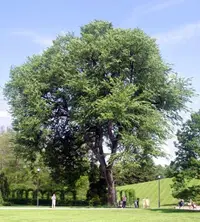
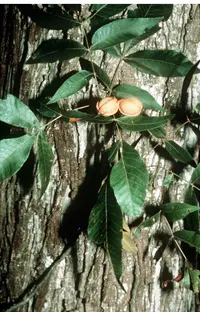
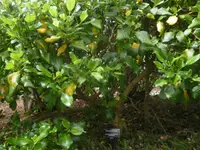
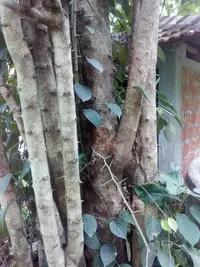
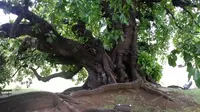
Custard apple, Annona reticulata, is a small tropical fruit tree grown for its soft, sweet, segmented fruits. It usually has a rounded crown with simple, narrow leaves and a modest, branching trunk.

This species is native to tropical America and is now cultivated in many warm regions worldwide. It prefers warm, frost-free climates, so it is not suitable for outdoor growing in colder areas.

The tree is moderately easy to manage where conditions are right but can be sensitive to cold, poor drainage, and prolonged drought. It generally prefers full sun, well-drained soil, and steady moisture, which guides how to care for custard apple.

Main Plant Requirements

Care Difficulty

Moderate Care

Light Preference

Full Sun

Water Requirements

Regular Water

Temperature Preference

Tropical / Frost Sensitive

Hardiness Zone

10–11

Soil Texture

Sandy, Loamy, Organic-rich

Soil pH

Acidic (5.5–6.5), Slightly acidic (6.5–7.0)

Soil Drainage

Moist but well-drained

Fertilization

Light (every 4–6 weeks)

Get Personalized Care Plan

Scan your plant to receive care tips personalized for your specific plant

Available on iOS and Android

How to Care for the custard apple

Annona reticulata thrives in warm, bright conditions with plenty of direct sun for strong flowering and fruiting.

  • Provide 6–8 hours of direct sun daily; morning and early afternoon sun are ideal for outdoor trees in mild to hot climates.
  • Young or newly transplanted custard apple trees benefit from light afternoon shade to reduce leaf scorch in very hot, dry regions.
  • In marginal climates, choose a spot with full sun in winter and only light, filtered shade in peak summer to balance growth and sunburn risk.

Annona reticulata prefers consistently moist, well-drained soil without prolonged drying or standing water.

  • Irrigate when the top 3–5 cm of soil feels dry, applying deep soakings that wet the root zone rather than frequent light splashes.
  • Ensure freely draining soil or mounded beds to prevent puddling; yellowing leaves, soft stems, or sour smell indicate overwatering and root stress.
  • During hot, active growth increase watering frequency, but in cooler months reduce it slightly so the soil surface dries between waterings to avoid rot.

This species is a tropical to subtropical tree that grows best in stable warmth without frost exposure.

  • Aim for 70–90°F (21–32°C) for active growth; flowering and fruit set are most reliable within this warm range.
  • Protect trees when temperatures drop near 40°F (4°C); light frost can damage young leaves and twigs, and hard frost below 32°F (0°C) may kill young plants.
  • In heat above 95°F (35°C), provide extra irrigation and mulch; hot, dry winds can scorch foliage and reduce fruit quality if the tree is stressed.

This species prefers moderately humid air and reacts to very dry indoor conditions.

  • Aim for 50–70% humidity, especially for young or container-grown custard apple trees.
  • Dry air can cause leaf browning at tips and edges, slowed growth, and increased leaf drop.
  • Increase humidity by grouping plants, using a pebble tray under the pot, or running a small humidifier nearby.

Annona reticulata prefers deep, loose, well-drained soil that still holds consistent moisture.

  • Use a loamy mix with 40–60% organic matter such as compost plus a lighter component like coarse sand or perlite.
  • Aim for slightly acidic to neutral pH, around 6.0–7.0, to support nutrient availability and root activity.
  • Ensure strong drainage by avoiding compacted or clay-heavy soils that cause waterlogging and root suffocation.
  • Improve aeration by mixing in chunky materials like pine bark or coarse perlite, especially in containers or raised beds.

This species can be grown in containers when given enough root space and stable support.

  • Choose a large, deep container to accommodate a strong taproot and lateral roots without forcing tight circling.
  • Select a heavy pot material or add weight in the base to prevent tipping as the canopy becomes dense and top-heavy.
  • Use sidewall-aerated or breathable pots only with a moisture-retentive mix, since they increase evaporation and can dry roots quickly.

Annona reticulata responds well to moderate, balanced feeding, especially in warm growing seasons.

  • Use a balanced granular or liquid NPK fertilizer (e.g., 10-10-10) at half strength for young trees and moderate strength for established ones.
  • Feed every 6–8 weeks during active growth in spring and summer, combining fertilizer with a 5–8 cm layer of well-rotted compost.
  • Water thoroughly before and after applying fertilizer to reduce root burn and improve nutrient uptake.
  • Reduce or stop feeding in late fall and winter, especially for cooler-climate or custard apple indoor care situations.

Annona reticulata benefits from light structural pruning to maintain a healthy, productive canopy.

  • Carry out main pruning in late winter or very early spring before vigorous new growth begins.
  • Remove dead, diseased, crossing, or inward-growing branches to open the canopy and improve airflow and light penetration.
  • Shorten overly long, leggy shoots to encourage sturdy lateral branches and easier fruit harvest height.
  • Use clean, sharp bypass pruners or loppers, making angled cuts just above outward-facing buds or branch junctions.

Young Annona reticulata is often started in containers, then transplanted to a permanent sunny site once established.

  • Transplant when roots circle the pot, growth slows despite good care, or the plant becomes top-heavy and unstable.
  • Plan major transplanting for late spring or early summer when soil is warm and frost risk has passed for the season.
  • Typically shift seedlings from small pots to larger containers after 1 year, then into the ground once trunks are sturdy.
  • Water deeply before and after transplanting, keep the root ball intact, shade lightly for 3–7 days, and maintain even moisture to limit root stress.

Annona reticulata is commonly propagated from seed for home orchards, with grafting used for improved cultivars.

  • Sow fresh, cleaned seeds in late spring in a warm medium at 75–85°F to encourage faster germination.
  • Use a free-draining mix of sand and peat or coco coir, keeping it evenly moist but never waterlogged.
  • Consider grafting desirable cultivars onto vigorous seedling rootstocks in late spring to improve fruit quality and uniformity.
  • Provide bright light, high humidity, and gentle bottom heat for seedlings until they develop several true leaves and strong roots.

Annona reticulata is a tropical to subtropical tree that needs thoughtful winter care in regions with cool or freezing conditions.

  • In ground, the tree is frost-sensitive and may be damaged below about 30–32°F, especially when young.
  • Apply a 5–10 cm organic mulch layer around the root zone, keeping it slightly away from the trunk base.
  • Wrap young trunks with frost cloth or burlap during cold snaps to reduce bark injury and dieback.
  • Move container-grown trees indoors or into a heated greenhouse before the first frost, providing bright light and reduced watering.

Care Tips

Wind protection planning

Site the tree where it is sheltered from strong prevailing winds or use temporary windbreak netting during the first 2–3 years to reduce flower and fruit drop and prevent young branches from snapping.

Hand pollination boost

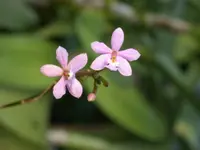
In areas with low insect activity, use a soft brush to transfer pollen from fully open evening flowers to newly opened ones the next morning to significantly increase fruit set when growing custard apple.

Fruit load thinning

When small fruits reach about 2–3 cm, remove the weakest or most crowded ones so that remaining fruits grow larger and branches are not overburdened and prone to breakage.

Branch support and tying

Before fruits reach full size, prop heavily loaded branches with padded stakes or tie them loosely to a sturdy support to prevent splitting at the crotch during wind or heavy rain.

Trunk and rootzone protection

Mulch a wide ring around the drip line while keeping mulch 5–8 cm away from the trunk, and use a light-colored trunk wrap in very hot regions to prevent sunscald and protect surface roots from temperature extremes.

Common Pests and Diseases

Fruit borer

This pest tunnels into young and ripening fruits, causing internal damage, premature fruit drop, and entry points for fungal infections.

Solution

Collect and destroy infested fruits, prune and dispose of mummified or leftover fruits after harvest, and use fine mesh bags on developing fruits where practical. In outdoor settings, pheromone or light traps and targeted applications of Bacillus thuringiensis (Bt) or spinosad on young fruits can reduce larval populations while limiting impact on beneficial insects.

Mealybugs

These insects feed on sap along stems, leaves, and fruit stalks, producing white cottony masses and sticky honeydew that can lead to sooty mold growth.

Solution

Wipe small infestations with cotton swabs dipped in 70% isopropyl alcohol and rinse foliage with a strong stream of water. For larger problems, apply insecticidal soap or horticultural oil thoroughly to stems, leaf undersides, and branch crotches, repeating every 7–10 days until populations decline and monitoring closely when growing custard apple in warm, sheltered sites.

Scale insects

These pests attach to bark, stems, and leaf midribs as small, hard bumps, sucking sap and causing yellowing, reduced vigor, and possible twig dieback.

Solution

Gently scrape off localized colonies with a soft brush and prune heavily infested twigs, disposing of prunings away from the plant. For persistent infestations, use horticultural oil sprays during mild temperatures, coating bark and stems thoroughly to suffocate scale while checking nearby host plants that might act as reservoirs.

Anthracnose

This disease causes dark, sunken lesions on leaves, young shoots, flowers, and fruits, which can merge into large dead areas and lead to fruit spotting and cracking.

Solution

Remove and destroy infected leaves and twigs, avoid overhead watering, and improve air circulation through light pruning. Apply a copper-based fungicide or other labeled fungicide at the start of warm, humid weather, especially just before flowering and fruit set, to protect new growth and developing fruit.

Black canker

This disease produces dark, sunken, often elongated lesions on branches and stems that can girdle twigs, reduce sap flow, and cause dieback of affected parts.

Solution

Prune out cankered branches at least 15–20 cm below visible symptoms using clean, sharp tools, and disinfect tools between cuts with diluted bleach or alcohol. Maintain good tree vigor through balanced watering and nutrition, and avoid mechanical injury to bark, since wounds provide entry points for the pathogen.

Interesting Facts

Distinctive netted skin

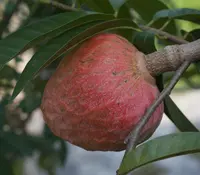
The fruit typically shows a reticulated or net-like pattern on its skin, which is the origin of the species name reticulata. This pattern is often more pronounced than in other custard apple relatives and is a key field feature for identification.

Highly variable flavor

Fruit from different trees, and even from the same tree in different seasons, can range from pleasantly sweet and custard-like to somewhat bland or slightly musky. This wide flavor variability has limited its large-scale commercialization compared with other Annona species like sugar apple and cherimoya.

Tropical climate specialist

This species is more tolerant of heat and lowland tropical conditions than many related Annona fruits. It often performs best in warm, humid areas below about 1,000 m elevation, where it can flower and fruit reliably.
Botan icon

Did you know?

Archaeological and historical evidence indicates that this species was already cultivated and distributed by Indigenous peoples in tropical America before European contact, and it later spread from the Americas to Asia and Africa through early colonial plant exchanges, becoming naturalized in many tropical regions.

FAQs about custard apple

Lack of flowering is usually linked to insufficient light, young plant age, heavy nitrogen fertilization, or irregular watering. Mild, regular pruning and balanced fertilizer help direct energy to flower buds rather than only leafy growth.

Grow Healthy Plants with Botan Care

Keep your plants happy and healthy with plant identification, disease detection, and easy care guidance.

Botan plant care app — identify plants on mobile

Explore More Plants