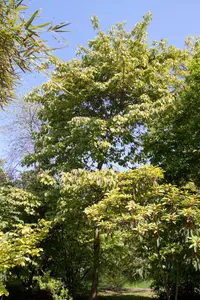
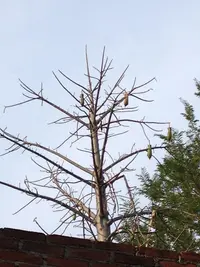
large-seeded coprosma Care (Coprosma macrocarpa)

Also known as: coastal karamu
large-seeded coprosma

About large-seeded coprosma

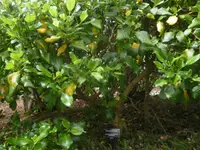
Large-seeded coprosma (Coprosma macrocarpa) is an evergreen shrub or small tree from coastal New Zealand, including offshore islands. It often forms a dense, rounded canopy with thick, glossy green leaves and showy orange to red berries that attract birds.

In the wild it grows in exposed, windy sites near the sea, which makes it naturally tolerant of salt spray and variable conditions. Its toughness and moderate growth rate usually make it straightforward to grow if basic needs are met.

It prefers bright light, good air movement, and well-drained soil with steady moisture, which guides how to care for large-seeded coprosma in gardens or larger containers.


Main Plant Requirements

Care Difficulty

Moderate Care

Light Preference

Full Sun

Water Requirements

Moderate Water

Temperature Preference

Warm Climate

Hardiness Zone

10–11

Soil Texture

Sandy, Loamy, Rocky

Soil pH

Slightly acidic (6.5–7.0), Neutral (7.0)

Soil Drainage

Well-drained

Fertilization

Minimal (feed rarely)

Get Personalized Care Plan

Scan your plant to receive care tips personalized for your specific plant

Available on iOS and Android

How to Care for the large-seeded coprosma

This coastal shrub prefers bright, direct light with some protection during the hottest part of the day.

  • Provide 4–6 hours of direct morning sun plus bright light the rest of the day; light afternoon shade helps prevent leaf scorch in hot inland areas.
  • Large-seeded coprosma tolerates partial shade (2–4 hours sun), but growth becomes looser and foliage color less intense if light is too low.
  • Monitor leaves seasonally: pale, stretched growth indicates insufficient light, while crisped, brown-edged leaves suggest too much intense midday or afternoon sun.

This species prefers evenly moist, well-drained soil and dislikes long periods of saturation.

  • Before watering, let the top 3–5 cm of soil dry; soil below should feel slightly moist but not wet when probed with a finger or trowel.
  • Increase watering in warm, windy weather when leaves may flag or curl slightly by evening, and reduce in cool or rainy seasons to avoid root rot.
  • Warning signs include yellowing, soft leaves and a sour soil smell from overwatering, or brittle twigs and dull, curling foliage from underwatering, especially on exposed sites.

This shrub grows best in mild, frost-free coastal or temperate climates.

  • Optimal growth occurs around 60–75°F (16–24°C), with steady conditions supporting dense branching and healthy foliage.
  • Coprosma macrocarpa tolerates brief drops to about 30°F (-1°C), but repeated or hard frosts can damage new growth and young plants, so shelter is useful in marginal areas.
  • Heat tolerance is moderate; at sustained 85–95°F (29–35°C), provide mulch and wind protection, as hot, dry winds increase stress and can scorch foliage.

This species handles a range of humidity but benefits from slightly moist air in heated or very dry homes.

  • Aim for 40–60% humidity; caring for large-seeded coprosma in very arid rooms may require extra moisture around the plant.
  • Tolerates short dry spells in air but leaf edges may brown or curl and new growth may stall when humidity stays low.
  • Increase humidity by grouping plants, placing the pot on a pebble tray with water below the base, or running a nearby humidifier.

Coprosma macrocarpa prefers freely draining, aerated soil that does not stay waterlogged.

  • Use a mix of roughly 50–60% loam or all-purpose potting mix with 20–30% coarse sand and 20–30% fine bark or perlite for structure.
  • Ensure rapid drainage so water runs through in seconds, preventing saturated pockets that lead to root rot and loss of foliage.
  • Aim for slightly acidic to neutral pH around 6.0–7.0, avoiding highly alkaline mixes that can reduce nutrient availability and cause leaf yellowing.
  • Avoid compacted clay, peat-heavy media with no grit, or any mix that feels sticky after watering; add coarse sand or perlite to improve aeration.

This species adapts well to container growing when the pot is chosen for both drainage and stability.

  • Select a pot heavy or wide enough at the base to counteract top-heavy, wind-sensitive growth in exposed outdoor positions.
  • Choose a container slightly deeper than wide to give anchoring roots room to develop without circling tightly near the surface.
  • Use pots with large, unobstructed drainage holes and keep the saucer empty so the lower root zone never sits in standing water.

Coprosma macrocarpa benefits from light, balanced feeding but tolerates lean soils once established.

  • In spring, apply a slow-release balanced NPK fertilizer (for example 10-10-10) at label rates around the drip line.
  • For container plants, use a half-strength balanced liquid feed every 4–6 weeks during active growth.
  • Reduce or stop feeding in fall and winter when growth slows, especially in cooler regions.
  • Incorporate a thin layer of compost into the topsoil annually to support soil biology and structure.

Pruning Coprosma macrocarpa helps maintain a strong framework and manageable size.

  • Carry out main pruning in late winter or early spring before vigorous new growth begins.
  • Remove dead, diseased, storm-damaged, or crossing branches back to healthy wood using clean, sharp bypass pruners or loppers.
  • Thin congested interior shoots to improve light and air movement, which supports healthier foliage and branching.
  • Shorten overly long shoots to shape the canopy, encouraging a denser, more compact form while avoiding heavy cuts into old wood.

This species is more often planted in the ground, but young or container-grown plants benefit from careful transplanting.

  • Transplant or shift to a larger container in late winter or early spring when roots circle the pot or growth slows.
  • Plan on moving container plants every 2–3 years into a pot 2–5 cm wider, using a free-draining shrub or native mix.
  • Handle the root ball gently, loosening only lightly; prune damaged roots and keep as much soil intact as possible.
  • Water thoroughly after transplanting, then keep soil evenly moist and shaded from harsh sun for 1–2 weeks to reduce shock.

Coprosma macrocarpa is commonly propagated from semi-hardwood cuttings and fresh seed for garden or restoration use.

  • Take semi-hardwood tip cuttings in late summer, 8–10 cm long, removing lower leaves.
  • Dip cut ends in rooting hormone and place in a free-draining mix under high humidity and bright, indirect light at 65–75°F.
  • Sow fresh cleaned seed in spring in a gritty seed mix, barely covered, and keep evenly moist until germination.
  • Provide bottom warmth if possible and avoid waterlogging, as excess moisture slows rooting and encourages rot.

In mild coastal climates, large-seeded coprosma usually needs minimal winter attention once established.

  • In regions with light frost, add a 5–8 cm mulch layer around the root zone, keeping it away from the trunk.
  • Young or potted plants in areas below about 25°F benefit from a sheltered, frost-free position.
  • Move containers near a warm wall or into a bright, cool indoor space during severe cold spells.

Care Tips

Salt-wind hardening

If planting near the coast, gradually acclimate young plants to full exposure by first growing them behind a windbreak for 1–2 seasons, then pruning the windbreak back in stages so the foliage adapts to salt-laden winds without severe burn.

Branch-anchoring support

In windy sites, use low, wide-set stakes and soft ties to support the main framework branches for the first 2–3 years, positioning ties loosely so stems can move slightly and develop stronger wood without rubbing damage.

Layering for backup

On established shrubs, peg down a flexible low branch into soil and lightly wound the underside where it touches the ground; once it roots, you gain a genetically identical backup plant that can replace storm-damaged specimens.

Bird-fruit management

If unwanted self-seeding occurs from bird-dispersed fruits, remove most of the fruiting clusters just as they start to color, leaving only a few for wildlife while sharply reducing volunteer seedlings in surrounding beds.

Salt spray rinsing

After severe coastal storms, hose foliage with fresh water in the early morning to rinse off accumulated salt, which helps prevent leaf edge burn and maintains healthier photosynthetic surfaces when growing large-seeded coprosma.

Common Pests and Diseases

Scale insects

This pest often settles along young stems and leaf undersides, sucking sap and causing yellowing, leaf drop, and sooty mold from honeydew deposits.

Solution

Scrape or wipe off visible scales with a cotton pad dipped in isopropyl alcohol, then wash foliage with mild soapy water and rinse well; in outdoor plantings, encourage natural predators and, if needed, use a horticultural oil spray targeting the crawler stage.

Leaf spot

This disease produces small brown to dark olive spots on leaves that can expand, merge, and lead to premature leaf drop, especially in humid, shaded conditions.

Solution

Remove and dispose of affected leaves, improve airflow and light penetration through careful pruning, avoid wetting foliage when watering, and consider a copper-based fungicide if spotting continues to spread in wet weather.

Sooty mold

This disease appears as a black, powdery coating on leaves and stems, growing on the honeydew excreted by sap-sucking insects such as scale or aphids.

Solution

Control the underlying insect infestation first, then gently wash affected foliage with lukewarm water and a small amount of mild soap, rinsing thoroughly to restore photosynthesis and reduce fungal growth.

Coprosma leaf miner

This pest creates pale, winding tunnels inside the leaves, which can lead to distorted, browned foliage and reduced vigor when infestations are heavy.

Solution

Remove and destroy mined leaves to break the life cycle, monitor new growth frequently, and in persistent cases use a systemic insecticide labeled for leaf miners according to local regulations and Coprosma macrocarpa care instructions.

Interesting Facts

Three Kings Islands endemic

This species is naturally restricted to the Three Kings Islands north of New Zealand, where it is a characteristic component of the coastal shrub and forest margins exposed to strong wind and salt spray.

Large bird-dispersed fruits

It produces relatively large, orange to red fleshy drupes that are eaten and dispersed by birds, an adaptation that matches its species name macrocarpa, which means large-fruited.

Salt-tolerant coastal shrub

The thick, glossy leaves and robust stems help it withstand salt-laden winds and high light levels on exposed cliffs and coastal slopes, making it a typical element of New Zealand’s maritime vegetation.

Botan icon

Did you know?

On the Three Kings Islands, this species can form dense, almost shrubby small-tree thickets that provide important shelter and food resources for native seabirds and invertebrates, giving it a key structural role in an otherwise wind-scoured island flora.

FAQs about large-seeded coprosma

This shrub grows at a moderate rate. In mild coastal climates it may add 20–40 cm of height per year, slowing as it matures. Growth is fastest in deep, well-drained soil with consistent moisture and nutrients.

Grow Healthy Plants with Botan Care

Keep your plants happy and healthy with plant identification, disease detection, and easy care guidance.

Botan plant care app — identify plants on mobile

Explore More Plants