burrobush Care (Ambrosia dumosa)

Also known as: White Bursage
burrobush

About burrobush

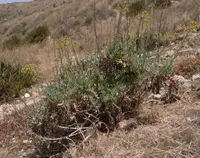
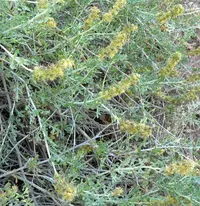
Burrobush, Ambrosia dumosa, is a small, long-lived desert shrub native to the Mojave and Sonoran Deserts of the southwestern United States and northern Mexico. It forms a rounded, twiggy mound with many fine, gray-green branches and tiny leaves that often drop in dry conditions.

This plant is adapted to extreme drought, poor rocky or sandy soils, and intense sun, which makes it very low-maintenance in arid climates. It is slow-growing but durable, with a deep root system and strong tolerance for wind and heat.

For those who want to learn how to care for burrobush, it generally prefers full sun, sharply drained soil, and minimal supplemental watering once established.

Main Plant Requirements

Care Difficulty

Easy Care

Light Preference

Full Sun

Water Requirements

Low Water

Temperature Preference

Warm Climate

Hardiness Zone

8–10

Soil Texture

Sandy, Loamy, Rocky

Soil pH

Neutral (7.0), Slightly alkaline (7.0–7.5)

Soil Drainage

Well-drained

Fertilization

Minimal (feed rarely)

Get Personalized Care Plan

Scan your plant to receive care tips personalized for your specific plant

Available on iOS and Android

How to Care for the burrobush

This desert shrub needs intense sun to grow compact and healthy.

  • Provide full sun for 6–10 hours daily; an open, unshaded site suits burrobush best.
  • Plant where it receives direct morning and midday sun; light afternoon shade is acceptable in very hot regions above 105°F (40°C).
  • In prolonged shade it becomes leggy and sparse; in extreme reflected heat from walls or pavement, monitor for leaf scorch and consider slight filtered afternoon light.

This species is highly drought-adapted and must dry well between waterings.

  • In the ground, water deeply only when the top 5–8 cm of soil are completely dry and stems begin to look slightly dull or less plump.
  • During summer heat, infrequent but soaking irrigation is better than light, frequent watering; allow soil to drain rapidly after each soak.
  • In cool seasons reduce watering sharply; signs of overwatering in Ambrosia dumosa include yellowing leaves, soft stems, or a sour smell from the soil.

This desert native prefers hot, dry climates with mild winters.

  • Ideal growing temperatures are 75–95°F (24–35°C), though it continues to function in a wider 60–100°F (16–38°C) band.
  • Mature plants tolerate brief drops to about 20–25°F (-6 to -4°C); prolonged or repeated hard frost can damage young growth.
  • High heat above 105°F (40°C) is tolerated if soil drains well and humidity stays low; avoid cold, wet conditions, which increase root stress.

This desert shrub thrives in very dry air and rarely needs humidity adjustment.

  • Target 15–30% humidity, similar to arid indoor or outdoor conditions in heated homes or desert climates.
  • Plant tolerates much drier air than most houseplants; avoid humidifiers or clustering it with moisture-loving plants.
  • Watch for fungal spots or soft stem tissue rather than crisp leaf tips, which usually indicate excess humidity rather than low humidity stress.

Ambrosia dumosa prefers very lean, fast-draining, mineral soils that mimic desert washes.

  • Use a gritty, sandy mix such as 60–70% coarse sand or small gravel with 30–40% cactus potting mix.
  • Ensure rapid drainage; water should run through the pot or bed within seconds and not leave the soil wet for long.
  • Aim for slightly alkaline to neutral pH around 7.0–8.0, avoiding strongly acidic mixes rich in peat moss.
  • Improve aeration by adding mineral grit, pumice, or perlite, and avoid dense clay or high-organic compost that stays moist.

This species can grow in containers if given a very fast-draining, stable setup suited to desert shrubs.

  • Choose a wide, heavy clay or concrete pot to keep the shallow, branching root system stable in strong winds.
  • Fill the container with a sharply draining mix and raise the pot on feet or bricks so water exits freely.
  • In very hot climates, use light-colored containers to reduce root overheating and moisture loss extremes.

Ambrosia dumosa is a desert shrub adapted to nutrient-poor soils and usually needs little or no fertilizer in the ground.

Ambrosia dumosa benefits from light structural pruning to maintain a healthy, open form.

  • Carry out pruning in late winter or very early spring, before new growth begins.
  • Use clean, sharp bypass pruners to remove dead, diseased, or storm-damaged stems at their base.
  • Thin crowded interior branches to improve airflow and maintain the shrub’s natural rounded shape.
  • Avoid hard cutting into old wood, which can reduce vigor and recovery.

Transplanting burrobush is best done carefully, as this desert shrub dislikes root disturbance.

  • Transplant in late winter to early spring, when temperatures are mild and soil is workable.
  • Look for signs like poor vigor or outgrowing a nursery container before moving the plant.
  • Dig a wide, shallow hole, keeping as much of the existing root ball and surrounding soil intact as possible.
  • Water deeply once after transplanting, then allow soil to dry between waterings to limit root stress and rot.

Ambrosia dumosa is most reliably propagated from seed collected from mature plants.

  • Sow seeds in late winter to early spring in a very well-drained, sandy mix.
  • Lightly scarify hard seed coats with sandpaper to improve water uptake and germination.
  • Keep trays warm and on the dry side, mimicking desert conditions, with only light, infrequent watering.
  • Provide strong light and good air movement to reduce damping-off and encourage sturdy seedlings.

Ambrosia dumosa is cold tolerant in arid climates and usually needs no special winter care when planted in the ground.

Care Tips

Establish dry mulching

Use a very thin, coarse mineral mulch layer such as decomposed granite or small gravel around the root zone to limit weed growth and soil crusting without trapping excess moisture against the crown.

Encourage deep rooting

During the first 1–2 years, space out irrigations and water more deeply rather than frequently to train roots downward, which makes the shrub more resilient to drought and heat extremes.

Avoid summer disturbance

Limit pruning, transplanting, or heavy foot traffic near the root zone during peak hot, dry months, as disturbance then can stress the plant and increase dieback in older wood.

Control wind exposure

In very windy sites, position the plant near rocks or low windbreaks so young stems are not repeatedly whipped, which can cause breakage and slow canopy development when growing burrobush.

Monitor allelopathic effects

Do not plant sensitive annuals or shallow‑rooted ornamentals too close, since this species can suppress nearby growth, so keep a modest open buffer zone around the shrub when planning mixed desert plantings.

Common Pests and Diseases

Leaf beetles

These insects feed on leaves and young shoots, creating ragged holes and thinning the canopy, especially after rainfall events. This pest is most active during the brief growing flush following desert rains.

Solution

Hand-pick adults and larvae where practical and prune heavily damaged twig tips. For larger plants, use a targeted foliar spray containing spinosad or pyrethrin applied in the cool early morning, and reduce nearby weed growth that can harbor beetle populations.

Seed-feeding weevils

These insects attack developing seeds inside the flower heads, reducing seed set and weakening natural regeneration. Symptoms include aborted, shriveled, or empty seed heads even when flowering was normal.

Solution

Collect and destroy heavily infested seed heads before the weevils complete development, and avoid leaving piles of cut inflorescences near the plant. If seed production is important, monitor during flowering and use a contact insecticide labeled for ornamental shrubs directed at flower clusters, avoiding spray drift to pollinators by treating at dusk.

Stem canker

This disease causes sunken, discolored lesions on woody stems, which can girdle branches and lead to dieback in the upper parts of the shrub. Symptoms include cracked bark, twig death, and failure of new shoots along affected sections.

Solution

Prune out infected stems 10–15 cm below the visible canker into healthy wood and dispose of all prunings off-site. Improve airflow by thinning crowded branches, avoid overhead watering, and disinfect pruning tools between cuts with 70% isopropyl alcohol to reduce spread.

Wood-boring insects

These insects tunnel inside older stems, causing internal damage, branch dieback, and increased susceptibility to breakage during wind or drought. Symptoms include small exit holes, frass (sawdust-like material), and sudden wilting of otherwise established branches.

Solution

Prune and remove infested branches promptly, cutting back to solid, ungalled wood, and destroy removed material. Maintain the shrub under low but steady water appropriate for desert conditions to limit drought stress, and use trunk and main stem inspections each season to catch early activity before it spreads.

Interesting Facts

Desert drought strategy

This shrub naturally sheds many of its tiny leaves and can appear dead during extreme drought, yet it survives through a deep root system and quickly refoliates after rare desert rains.

Chemical neighbor effects

The roots release allelopathic chemicals that can suppress the germination and growth of nearby plants, shaping plant spacing patterns in its Mojave and Sonoran Desert habitats.

Key desert allergen

Although much smaller and more compact than common ragweeds, this species produces lightweight wind‑dispersed pollen that contributes noticeably to seasonal allergies in some desert communities.

Botan icon

Did you know?

Genetic and field studies show that this low, scrubby shrub can live for well over a century in extremely harsh desert conditions, making individual plants long‑term anchors of desert shrubland communities.

FAQs about burrobush

This desert shrub often flowers best when fully mature and exposed to strong, consistent sunlight. Excess water, nutrient-rich soil, or heavy pruning can reduce bloom production. Stress from shade or root disturbance also commonly limits flowering.

Grow Healthy Plants with Botan Care

Keep your plants happy and healthy with plant identification, disease detection, and easy care guidance.

Botan plant care app — identify plants on mobile

Explore More Plants