Controlled self-seeding
If grown outdoors in warm climates, deadhead most spent flower spikes but leave a few to set seed in a contained bed so you can renew the planting without the species spreading uncontrollably.

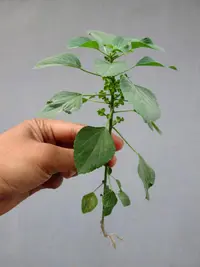
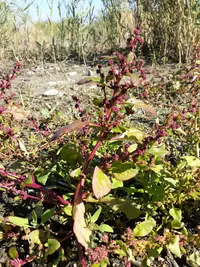
Indian Acalypha (Acalypha indica) is a small, fast-growing herb from the spurge family. It typically forms upright clumps with simple, oval green leaves and small, tassel-like flower spikes.
This species is native to tropical regions of India, Africa, and Southeast Asia, where it often appears as a common weed in disturbed soils and garden beds. It tends to self-seed easily, which can be helpful for those who want to grow it regularly but may require some control.
The plant prefers warm conditions, moderate moisture, and well-drained soil in sun to light shade. Understanding these basic needs helps plant owners learn how to care for Indian Acalypha in home gardens or informal plantings.

Care Difficulty
Moderate Care

Light Preference
Partial Sun

Water Requirements
Regular Water

Temperature Preference
Tropical / Frost Sensitive

Hardiness Zone
10–12

Soil Texture
Sandy, Loamy, Organic-rich

Soil pH
Acidic (5.5–6.5), Slightly acidic (6.5–7.0)

Soil Drainage
Moist but well-drained

Fertilization
Minimal (feed rarely)
Scan your plant to receive care tips personalized for your specific plant
Available on iOS and Android
This species grows best in bright, indirect light with some direct sun in mild parts of the day.
This plant prefers consistently moist but not waterlogged soil for steady growth.
This species performs best in warm, frost-free conditions throughout the year.
This species prefers moderately humid air but copes with typical household conditions if not extremely dry.
This species grows best in loose, well-aerated, consistently moist soil that drains freely.
This species adapts well to container growing when the pot supports its fast, fibrous root system.
Acalypha indica benefits from light feeding but often grows acceptably in average garden soil.
Pruning Acalypha indica is mainly used to maintain size, tidy growth, and support plant health.
This species is often grown in the ground, but container-grown plants and wildlings transplant well when handled carefully.
New Acalypha indica plants are usually produced from seeds, with stem cuttings as a secondary method.
This tropical species is frost-sensitive and needs protection in regions with cold winters.

Plant Health Check
Not sure what's wrong with your plant? Check your plant's health inside the app.
This species serves as a larval host plant for several nymphalid and lycaenid butterflies in South and Southeast Asia, providing food for caterpillars that feed on its leaves and young shoots.
Extracts from its leaves have shown nematicidal activity in laboratory studies, meaning they can harm or kill plant-parasitic nematodes that attack crop roots.
In contaminated soils, this plant can take up notable amounts of arsenic into its tissues, which has led researchers to study its potential role in phytoremediation, the use of plants to help clean polluted environments.

In traditional falconry in parts of India, the crushed leaves of this species have historically been used to induce vomiting in birds of prey, helping clear their digestive tract after feeding, a practice that has attracted interest from ethnoveterinary researchers.
This species grows relatively fast in warm conditions, often reaching near-mature size within one growing season. Growth slows in cool weather or poor soil. Regular light pruning helps maintain shape and encourages fresh, dense foliage.
Keep your plants happy and healthy with plant identification, disease detection, and easy care guidance.