Vicia cusnae Care

About Vicia cusnae

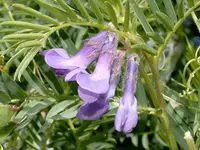
Vicia cusnae is a herbaceous legume, likely a climbing or scrambling vetch with slender stems and pairs of small leaflets. It typically produces tendrils that help it anchor onto nearby plants or supports. Flowers are usually pea-shaped and may appear in small clusters, followed by narrow pods containing seeds.

This species is considered local to parts of the Mediterranean region, where it grows in open, sunny habitats with well-drained soils. It is generally adapted to seasonal dryness, which can make it moderately resilient in cultivation. Understanding how to care for Vicia cusnae benefits from observing its natural preference for bright light, moderate moisture, and lean, well-drained soil.

Main Plant Requirements

Care Difficulty

Moderate Care

Light Preference

Partial Sun

Water Requirements

Moderate Water

Temperature Preference

Cool Climate

Hardiness Zone

Unknown

Soil Texture

Loamy

Soil pH

Slightly acidic (6.5–7.0)

Soil Drainage

Well-drained

Fertilization

Minimal (feed rarely)

Get Personalized Care Plan

Scan your plant to receive care tips personalized for your specific plant

Available on iOS and Android

How to Care for the Vicia cusnae

This vining legume prefers bright, open conditions without intense, drying heat.

  • Provide 6–8 hours of sun daily, ideally with full morning sun and light afternoon shade, especially in hotter regions.
  • Tolerates light partial shade (around 3–4 hours of direct sun) but stems may elongate and flowering can decrease if shade is too dense.
  • In summer, monitor for leaf scorch from hot afternoon sun; in low-light seasons, avoid shading from taller plants or structures to maintain flower production for Vicia cusnae.

This species prefers steadily moist but not waterlogged soil during active growth.

  • Water when the top 3–5 cm of soil feels dry, applying enough to moisten the root zone, then allow excess to drain away fully.
  • During cool or rainy seasons, reduce frequency to avoid soggy soil; in hot, dry weather, check soil moisture more often rather than following a fixed schedule.
  • Yellowing, soft stems and a sour soil smell suggest overwatering, while dull, curling leaves and dry, hard soil indicate the plant needs a deeper watering and better moisture retention.

This cool-temperate vetch grows best in mild conditions without strong temperature extremes.

  • Optimal growth occurs around 55–70°F (13–21°C), making it suitable for spring and fall cultivation in many temperate regions.
  • Plants tolerate short drops to about 25°F (−4°C), but repeated hard frosts or colder conditions can damage foliage and weaken regrowth.
  • Heat above roughly 85°F (29°C) can reduce flowering and stress the plant, so use mulch and, where possible, light afternoon shade during hot spells to moderate root and air temperatures.

This species tolerates a wide humidity range, so ambient outdoor levels are usually sufficient.

  • Aim for 40–60% humidity; brief dips lower or higher are usually tolerated without damage.
  • Dry indoor air can cause slight leaf-edge browning and faster substrate drying, so monitor soil moisture more closely.
  • Increase local humidity only if air is below 30% by grouping plants or placing trays of water and pebbles nearby.

Vicia cusnae prefers a loose, well-aerated mineral-organic substrate that drains efficiently but does not dry out instantly.

  • Use a loamy mix with 40–60% mineral material (garden soil or sandy loam) and 20–30% mature compost to supply structure and nutrients.
  • Ensure rapid drainage by adding 20–30% coarse sand or fine grit; avoid heavy clay that stays wet for more than 24 hours after rain or watering.
  • Target a slightly acidic to neutral pH around 6.0–7.5; avoid strongly alkaline sites where micronutrient uptake can be reduced.
  • Improve aeration on compacted sites by working in coarse organic matter such as shredded bark or leaf mold through the top 15–20 cm.

This species can grow in containers if given enough root depth and support for its vining growth.

  • Choose a pot at least 25–30 cm deep to accommodate the taproot and reduce stress from rapid drying in warm weather.
  • Select a heavier container material or weight the base so the pot remains stable when vines are trained upward.
  • Use a free-draining mix and elevate the pot slightly so drainage holes empty fully after rain or irrigation.

This nitrogen-fixing legume generally needs minimal feeding in average garden soil.

This plant needs little structural pruning and is usually managed by light cleanup.

This species is usually grown in the ground, so focus on gentle transplanting rather than frequent repotting.

  • Transplant young plants in early spring or early fall when weather is mild and soil is workable.
  • Choose a sunny, well-drained site and disturb the root ball as little as possible to limit transplant shock.
  • Water thoroughly after planting, then keep soil evenly moist until new growth confirms establishment.
  • Avoid moving mature clumps unless necessary; large root systems resent heavy disturbance.

Propagation of Vicia cusnae is most practical from seed under suitable outdoor conditions.

  • Sow fresh seed in fall or early spring, depending on local climate, into well-drained, neutral to slightly alkaline soil.
  • Lightly scarify hard seed coats with sandpaper to improve water uptake and germination speed.
  • Keep soil evenly moist but not waterlogged; cool to mild temperatures support steady germination.
  • Thin crowded seedlings to reduce competition and encourage sturdy, well-spaced plants.

This hardy outdoor legume usually needs only basic winter care in temperate climates.

  • In colder zones, allow top growth to die back naturally while the root system overwinters in soil.
  • Apply a 3–5 cm layer of organic mulch around the crown to buffer freeze–thaw cycles.
  • In very exposed sites, use windbreaks or low covers to limit desiccation of young plants.

Care Tips

Provide sturdy support

Install a mesh fence, strong netting, or taut wires before planting so the vines can climb easily and avoid stem breakage as they gain weight.

Use timely pinching

Pinch back the soft shoot tips once the plants are established to encourage branching, more flowering shoots, and a denser canopy rather than one long, weak stem.

Manage nitrogen levels

Avoid high-nitrogen fertilization or heavy manure where plants are grown, since this legume fixes its own nitrogen and excess can cause lush foliage with reduced flowering.

Monitor for nodulation

When preparing a new site, gently lift one young plant and check roots for small, firm nodules, and if they are absent, consider using an appropriate rhizobium inoculant to improve growth and flowering.

Plan rotation and cleanup

After flowering and seed set, remove old vines and rotate the planting area every 2–3 years to limit soil-borne diseases and pests that can build up when growing Vicia cusnae repeatedly in the same spot.

Common Pests and Diseases

Aphids

These insects feed on young shoots and flower stems, sucking sap and causing curling, distortion, and sticky honeydew on foliage. This pest can weaken plants and favor the growth of black sooty mold on affected surfaces.

Solution

Spray colonies off stems with a firm stream of water, then treat remaining clusters with insecticidal soap or a light horticultural oil, repeating weekly until controlled. Remove heavily infested shoot tips and encourage natural predators such as lady beetles by avoiding broad-spectrum insecticides when caring for Vicia cusnae.

Pea weevils

These insects chew notches in leaf margins and their larvae can damage developing seeds within pods. This pest reduces seed quality and may weaken plants in production settings.

Solution

Monitor foliage and pods regularly and remove or destroy infested pods before larvae complete development. In field or garden settings, use crop rotation, avoid planting near stored pulses, and consider floating row covers over young plants to limit adult feeding and egg-laying on the crop.

Powdery mildew

This disease produces white, powdery patches on leaves, stems, and sometimes pods, leading to yellowing and premature leaf drop under dry, warm conditions. Symptoms include reduced vigor and less flowering or seed set if infections are heavy.

Solution

Improve airflow by avoiding overcrowding, remove and discard heavily infected leaves, and water at soil level rather than overhead. If needed, apply a sulfur or potassium bicarbonate fungicide labeled for legumes, starting early in the outbreak and repeating according to label directions as part of general Vicia cusnae care instructions.

Ascochyta leaf and pod spot

This disease causes tan to brown spots with darker margins on leaves, stems, and pods, sometimes with small dark fruiting bodies in the lesions. Symptoms include premature leaf drop and blemished pods, which can reduce seed quality.

Solution

Remove and dispose of infected plant debris and avoid overhead irrigation that keeps foliage wet for long periods. Use clean seed, rotate with non-legume crops for several years, and apply a legume-labeled fungicide preventively in areas where this disease is known to recur.

Bean rust

This disease appears as small yellow spots on leaves that develop into orange-brown pustules, often on the undersides. Symptoms include reduced photosynthesis, early leaf drop, and lower plant vigor when infections are severe.

Solution

Increase spacing to improve air circulation, avoid wetting foliage late in the day, and remove and destroy heavily affected leaves. In recurrent problem areas, choose less susceptible material if available and apply a registered rust fungicide for legumes at the first sign of pustules, following label directions carefully.

Interesting Facts

Endemic island legume

Vicia cusnae is a narrow endemic species restricted to the volcanic slopes of Mount Cusna in the northern Apennines of Italy, where it grows in open rocky grasslands and subalpine habitats.

Adapted to harsh soils

This species is adapted to shallow, stony, nutrient-poor mountain soils and relies on root-nodule bacteria to fix atmospheric nitrogen, which helps it survive in environments where many other herbs cannot persist.

Distinctive flowering period

Vicia cusnae typically flowers in late spring to early summer at higher elevations, timing its reproductive phase to short windows of favorable temperature and pollinator activity in its alpine-type environment.

FAQs about Vicia cusnae

This species is a twining vetch and benefits from some form of support, such as netting, wires, or nearby stems. Light, flexible support keeps stems upright, improves air flow, and reduces disease and lodging risk.

Grow Healthy Plants with Botan Care

Keep your plants happy and healthy with plant identification, disease detection, and easy care guidance.

Botan plant care app — identify plants on mobile

Explore More Plants