Alkanna corcyrensis Care

Alkanna corcyrensis

About Alkanna corcyrensis

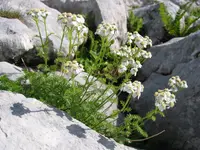
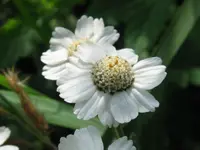
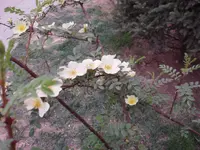
Alkanna corcyrensis is a low, clump-forming perennial from rocky areas of the Ionian region, including the island of Corfu. It belongs to the borage family, known for rough, bristly foliage and vivid flowers.

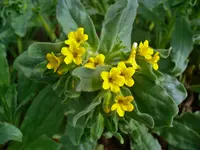
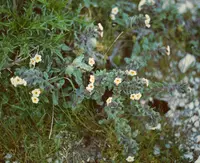
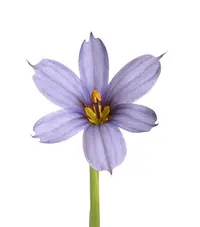
This species typically forms compact mounds of hairy leaves with small, bright blue flowers that attract pollinators. It suits rock gardens, gravel beds, and sunny borders where drainage is excellent.

The plant is adapted to dry, stony soils and tolerates heat and short dry spells once established, which makes it relatively low maintenance. Understanding how to care for Alkanna corcyrensis mainly involves providing strong light, free-draining soil, and avoiding prolonged winter wet.

Main Plant Requirements

Care Difficulty

Moderate Care

Light Preference

Full Sun

Water Requirements

Moderate Water

Temperature Preference

Warm Climate

Hardiness Zone

8–10

Soil Texture

Sandy, Loamy, Rocky

Soil pH

Slightly acidic (6.5–7.0), Neutral (7.0)

Soil Drainage

Well-drained

Fertilization

Minimal (feed rarely)

Get Personalized Care Plan

Scan your plant to receive care tips personalized for your specific plant

Available on iOS and Android

How to Care for the Alkanna corcyrensis

This sun-loving perennial thrives in open, bright positions with protection from extreme afternoon heat in hot climates.

  • Provide 6–8 hours of direct sun daily, with morning sun and light afternoon shade ideal in regions with very hot summers.
  • Plants tolerate light partial shade (around 3–4 hours direct sun) but flowering will be reduced and stems may stretch toward the light.
  • In cool, overcast coastal areas, full sun all day is suitable; monitor foliage for scorch or bleaching, which signals too much intense sun for Alkanna corcyrensis.

This drought-tolerant species prefers infrequent, deep watering and fast-draining soil.

  • Allow the top 3–5 cm of soil to dry fully before watering, then soak the root zone and let excess water drain away completely.
  • Reduce watering during cool or rainy periods; increase only during prolonged heatwaves when foliage begins to soften or lower leaves wilt slightly by evening.
  • Watch for overwatering signs such as yellowing leaves, soft stems, and a sour soil smell, and ensure gritty, well-drained soil to protect roots.

This Mediterranean-type perennial prefers mild conditions and does best in climates with cool to warm, not extreme, temperatures.

  • Optimal growth occurs around 60–75°F (16–24°C), with steady flowering and compact growth when nights stay on the cooler side of this range.
  • Mature plants usually tolerate brief drops to about 20–25°F (-6 to -4°C) if soil drains well, but repeated hard freezes can damage crowns.
  • In summer, plants cope with dry heat up to about 85–90°F (29–32°C) if soil is not waterlogged; avoid siting in enclosed heat traps near reflective walls.

This Mediterranean subshrub handles low humidity well, so air moisture is rarely a concern indoors or outdoors.

This plant prefers very well-drained, lean, mineral soils that mimic rocky Mediterranean slopes.

  • Use a gritty mix such as 50–60% coarse sand or fine gravel with 40–50% loam-based compost.
  • Aim for slightly alkaline to neutral pH, roughly 7.0–8.0, avoiding acidic peat-heavy mixes.
  • Ensure water drains through in seconds; raised beds or rock garden pockets help prevent water retention.
  • Avoid compacted clay, waterlogged spots, or thick organic mulches that hold moisture around the crown.

This species can be grown in containers if the pot and substrate strongly favor drainage.

  • Choose a wide, shallow pot to suit its fibrous, spreading roots and reduce water accumulation at depth.
  • Use a heavy clay or ceramic pot if placed outdoors to prevent tipping in wind as foliage spreads.
  • Fill the container with a very gritty, fast-draining mix so rainfall or irrigation runs through quickly.

This Mediterranean perennial stays compact and floriferous with modest feeding in lean, well-drained soil.

  • Apply a light dressing of compost or a low-dose balanced fertilizer (around 10-10-10) once in early spring as growth begins.
  • Use a diluted liquid feed at 1/2 strength every 4–6 weeks during the main growing season if soil is very poor.
  • Avoid high-nitrogen products, which encourage lush, floppy foliage over flowers in Alkanna corcyrensis.
  • Stop feeding in late summer so growth can harden before winter and to prevent weak, frost-sensitive shoots.

Light, targeted pruning keeps Alkanna corcyrensis dense, tidy, and flowering well.

  • Shear or lightly trim back spent flower stems in late spring or after the main bloom to encourage rebloom and compact growth.
  • Remove dead, damaged, or diseased stems at the base whenever noticed using clean, sharp hand pruners.
  • Thin out overly crowded interior shoots to improve air movement and reduce fungal problems in humid climates.
  • Avoid cutting into very old, woody bases; focus on green growth to maintain natural mound shape.

This rock-garden perennial dislikes frequent disturbance, so transplant Alkanna corcyrensis only when clearly needed.

  • Look for roots circling the pot, water running straight through, or noticeably slower growth as signs a container plant is crowded.
  • Plan any transplanting or repotting for early spring or very early fall, when temperatures are mild and soil is workable.
  • Move up only 1 pot size, using a sharply drained, gritty mix to limit waterlogging and support deep rooting.
  • Water thoroughly after transplanting, then keep soil just slightly moist for 1–2 weeks to reduce root stress and encourage re-establishment.

New Alkanna corcyrensis plants are most reliably produced from seed under controlled, well-drained conditions.

  • Sow fresh seeds in late winter to early spring in a free-draining seed mix, barely covering them and keeping moisture even but not wet.
  • Provide cool to mild temperatures (55–65°F) and bright light to support steady germination and sturdy seedlings.
  • In suitable climates, allow some spent flowers to set seed and self-sow, then thin crowded volunteer seedlings in spring.
  • Transplant young plants only once they have a firm root system, handling roots gently to avoid transplant shock.

This hardy perennial tolerates typical mild to moderate winters with minimal intervention when planted in well-drained soil.

  • In climates colder than its usual range, apply a 5–8 cm layer of mulch around the root zone after the ground cools, keeping mulch off the crown.
  • Ensure planting sites or containers drain freely to prevent freeze–thaw heaving and root rot in winter.
  • Container-grown plants in very cold areas can be overwintered in a cold frame, unheated garage, or sheltered porch to avoid severe freezing.

Care Tips

Encourage Compact Growth

Pinch back the soft tips of new shoots in early spring to keep plants low, dense, and better able to withstand wind exposure in rock gardens or exposed beds.

Improve Drainage Mound

On heavy or borderline soils, plant on a 5–8 cm raised mound of gritty mix so the crown stays slightly elevated, which greatly reduces crown and root rot risk.

Gravel Mulch Layer

Apply a 1–2 cm layer of sharp grit or small gravel around the crown instead of organic mulch to keep foliage dry at the base and mimic the plant’s native rocky habitat.

Targeted Winter Protection

In regions with wet, cold winters, place a simple rain shield such as a clear cloche or sloped slate over the clump to keep excess moisture off the crown while still allowing airflow.

Monitor Self-Seeding

Allow a few spent flower heads to set seed and mark the area, then transplant volunteer seedlings while small to maintain a naturalistic drift and secure backup plants when caring for Alkanna corcyrensis.

Common Pests and Diseases

Powdery mildew

This disease causes a white, powdery coating on leaves and young stems, often in warm, dry conditions with poor air circulation. Symptoms include distorted new growth and gradual loss of vigor.

Solution

Improve airflow around clumps, avoid overhead watering in late afternoon, and remove heavily affected leaves to limit spread. In persistent cases, apply a sulfur or potassium bicarbonate-based fungicide labeled for ornamentals, following label directions and reapplying after rain if needed.

Leaf spot

This disease produces small brown to dark purple spots on leaves that may merge and cause partial leaf dieback, especially in humid or wet conditions. Symptoms include premature yellowing and drop of lower foliage, which can weaken the plant over time.

Solution

Remove and discard spotted leaves and any dense debris around the base to reduce humidity and fungal spores. Water at soil level in the morning and, if spotting continues, use a chlorothalonil or copper-based fungicide suitable for perennials, rotating products if repeat treatments are needed.

Aphids

These insects cluster on soft stems and new growth, sucking sap and causing curling or distortion of leaves. This pest also produces sticky honeydew that can lead to sooty mold on nearby surfaces.

Solution

Spray colonies off with a firm stream of water and pinch back heavily infested shoot tips. For recurring issues, use insecticidal soap or a ready-to-use neem oil product, coating the undersides of leaves and repeating every 5–7 days until populations decline.

Spider mites

These pests thrive in hot, dry sites and feed on leaf undersides, causing fine speckling, dull foliage, and in heavy infestations, delicate webbing between leaves and stems. Symptoms include gradual bronzing and premature leaf drop on stressed plants.

Solution

Increase humidity around the plant by occasional hosing, and wash foliage thoroughly to dislodge mites. If damage persists, apply insecticidal soap or a horticultural oil labeled for mites, ensuring full coverage of leaf undersides and repeating as the label recommends.

Crown and stem rot

This disease develops in poorly drained or waterlogged soils, causing dark, soft lesions at the crown or lower stems and eventual collapse of shoots. Symptoms include sudden wilting despite moist soil and browning at the soil line.

Solution

Improve drainage by amending soil with grit or planting on a slight mound, and avoid overhead watering and heavy mulching against the crown. Remove and discard severely affected plants; for mild early cases, carefully trim damaged tissue and allow the base to dry, then maintain drier, free-draining conditions suitable for growing Alkanna corcyrensis.

Interesting Facts

Ionian coastal endemic

This species is naturally restricted to the island of Corfu and a few nearby Ionian coastal areas, where it grows on rocky, sun‑exposed slopes and limestone outcrops close to the sea.

Adapted to calcareous soils

It shows a strong preference for lime‑rich, stony substrates and can form sparse, low mats in thin soils where organic matter is limited but drainage is excellent.

Spring blue display

In its native habitat it produces small, vivid blue to violet flowers in spring, contributing color and nectar to early‑season pollinators in otherwise sparse rocky vegetation.

FAQs about Alkanna corcyrensis

This species forms low clumps and slowly expands via short, branching stems. It can create small patches over time but is not known as an aggressive spreader or a problematic self-seeder in typical garden conditions.

Grow Healthy Plants with Botan Care

Keep your plants happy and healthy with plant identification, disease detection, and easy care guidance.

Botan plant care app — identify plants on mobile

Explore More Plants