Anchusa calcarea Care

Anchusa calcarea

About Anchusa calcarea

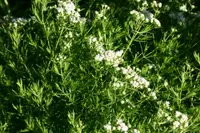
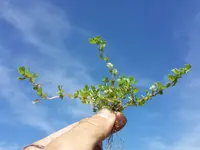
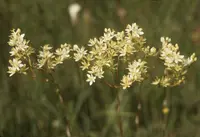
Anchusa calcarea, often called Italian alkanet, is a sun-loving perennial from southern Europe. It belongs to the borage family and is valued for its intense blue flowers. Plants usually form upright, branching clumps with rough, bristly leaves and dense sprays of small, vivid blooms in late spring and early summer. In the garden it is used in wildflower-style borders and naturalistic plantings where pollinators are encouraged. It prefers open, well-drained, often calcareous or chalky soils and does not thrive in heavy, wet conditions. Understanding how to care for Anchusa calcarea mainly involves providing strong light, moderate moisture, and soil that does not stay soggy.

Main Plant Requirements

Care Difficulty

Moderate Care

Light Preference

Full Sun

Water Requirements

Moderate Water

Temperature Preference

Cool Climate

Hardiness Zone

5–8

Soil Texture

Sandy, Loamy, Rocky

Soil pH

Slightly acidic (6.5–7.0), Neutral (7.0)

Soil Drainage

Well-drained

Fertilization

Minimal (feed rarely)

Get Personalized Care Plan

Scan your plant to receive care tips personalized for your specific plant

Available on iOS and Android

How to Care for the Anchusa calcarea

This sun-loving perennial thrives in open, bright positions with long hours of direct light.

  • Provide 6–8 hours of direct sun daily; morning and midday sun promote dense growth and abundant blue flowers.
  • It tolerates light afternoon shade, especially in hotter regions, but flowering decreases noticeably in sites with less than 4–5 hours of sun.
  • In summer, avoid reflected heat from walls or paving that can scorch foliage; in shade, Anchusa calcarea becomes leggy and may flop as stems stretch toward light.

This plant prefers dry to moderately moist conditions and is sensitive to standing water.

  • Allow the top 3–5 cm of soil to dry between waterings; in well-drained garden beds this often means deep watering only after several rain-free days.
  • During cool seasons and on heavy soils, extend the interval between waterings to prevent root rot; foliage yellowing and limp, soft stems usually indicate overwatering.
  • In hot, dry periods, watch for dull, slightly drooping leaves and dry, crumbly soil as cues to water more deeply, always ensuring fast drainage through sandy or gritty soil.

This species is adapted to temperate climates with cool to warm conditions rather than extreme heat or humidity.

  • Best growth occurs around 60–75°F (16–24°C); flowering is strongest in mild spring and early summer weather.
  • Mature plants tolerate short drops to about 20–25°F (-6 to -4°C) once established, but young plants benefit from protection during hard frosts.
  • Anchusa calcarea handles dry summer heat up to about 85–90°F (29–32°C) if soil is free-draining, but prolonged higher temperatures with high humidity increase stress and disease risk.

This species is adapted to dry, open sites and does not have special humidity requirements.

Anchusa calcarea prefers lean, well-drained, mineral soils that do not stay wet.

  • Use a sandy or gravelly loam with low to moderate organic matter to mimic its natural dry meadow habitat.
  • Aim for slightly alkaline to neutral pH around 7.0–8.0, adding garden lime if soil is noticeably acidic.
  • Improve drainage and aeration by mixing in coarse sand or grit at 30–50% of the volume, especially in heavier soils.
  • Avoid compacted, heavy clay or water-retentive mixes rich in peat, which promote root rot and winter losses.

This species can be grown in containers, but only if the pot is managed to stay sharply drained and not waterlogged.

  • Choose a deep, heavy terracotta or clay pot that allows extensive roots to anchor the tall, sometimes top-heavy growth without tipping.
  • Fill the container with a very free-draining mix based on sandy loam and coarse grit, keeping organic matter below about 30%.
  • Raise the pot on feet or bricks outdoors so drainage holes remain clear and excess rainwater can escape quickly during wet weather.

This sun-loving perennial benefits from modest feeding to support blooms but does not need heavy fertilization.

  • Apply a balanced granular or slow-release fertilizer (around 10-10-10) in early spring as new growth starts.
  • Use a light rate, about half the label recommendation, to avoid soft, floppy growth and salt buildup.
  • Supplement with a thin layer of compost around the root zone once per year for soil health.
  • Stop feeding Anchusa calcarea by late summer and do not fertilize during winter dormancy.

Thoughtful pruning helps maintain flowering performance and a tidy shape without stressing this perennial.

  • Deadhead spent flower spikes through summer using clean hand pruners to extend the blooming period.
  • In late autumn or very early spring, cut back dead or damaged stems to a low, healthy framework.
  • Thin out crowded growth at the base to improve air circulation and reduce foliar disease risk.
  • Avoid cutting into very old woody crowns; focus on removing weak, flopping, or crossing stems only on Anchusa calcarea.

This species is usually grown in the ground and responds best to minimal disturbance once established.

  • Transplant young plants in early spring or early autumn so roots can establish in mild conditions.
  • Choose a sunny, well-drained site and avoid moving mature clumps unless absolutely necessary to limit transplant shock.
  • Check container-grown plants for roots circling the pot or stalled growth; shift up just one pot size when needed.
  • Water thoroughly before and after moving the plant, then keep soil evenly moist for 1–2 weeks to reduce stress on Anchusa calcarea.

Anchusa calcarea is most often propagated from seed, which maintains strong taproots and vigorous growth.

  • Sow fresh seeds in late summer or early spring in a gritty, well-drained mix, barely covering them with soil.
  • Provide cool to mild temperatures (55–65°F) and consistent, light moisture until germination.
  • Thin or prick out seedlings carefully to avoid damaging the taproot, then transplant to final positions while still small.
  • Division is possible only on younger, less woody clumps; dig gently and replant divisions immediately in similar soil.

This hardy perennial tolerates typical USDA zone 5–8 winters with little intervention once established.

  • In colder areas or exposed sites, apply a 5–8 cm mulch layer around the crown after the ground cools, keeping mulch off stems.
  • Allow top growth to die back naturally, then cut back dead stems in late winter or early spring.
  • Container-grown Anchusa calcarea in cold climates should be overwintered in a sheltered, unheated but frost-free space.

Care Tips

Plan for lifespan

Treat this as a short-lived perennial or biennial and stagger sowing in successive years so flowering displays overlap and bare gaps do not appear as older clumps decline.

Use light support

In windy or exposed sites, place low, discreet hoops or pea sticks around the clump early in the season so stems grow through and are supported without needing hard tying later.

Encourage self-seeding

Let some seedheads mature and drop in place, then gently rake the soil surface in late summer so seed contacts mineral soil, giving a natural renewal that simplifies growing Anchusa calcarea long term.

Protect from flop

Avoid high-nitrogen feeding and overhead watering late in the day, which can produce overly soft growth that bends or breaks; water at soil level and keep nutrition moderate so stems stay sturdier.

Monitor for root stress

In heavier soils, check the crown and upper roots at the end of the season and lightly loosen compacted surface soil around the plant to improve drainage and reduce winter rot risk.

Common Pests and Diseases

Powdery mildew

This disease causes white, powdery patches on leaves and stems, often appearing in warm, dry conditions with poor air movement. Symptoms include distorted growth and premature leaf yellowing or browning.

Solution

Improve air circulation around plants, avoid overhead watering, and thin crowded growth. Remove heavily affected leaves and treat remaining foliage with a sulfur or potassium bicarbonate fungicide labeled for ornamentals, applied according to Anchusa calcarea care instructions and local regulations.

Rust

This disease produces orange to brown pustules on the undersides of leaves, with yellow spots visible on the upper surfaces. Symptoms include premature leaf drop and general weakening of the plant.

Solution

Promptly remove and discard affected leaves and any plant debris at the base to reduce spore spread. Keep foliage dry, water at soil level, and if needed use a labeled rust fungicide, rotating products to prevent resistance.

Leaf spot

This disease shows as small brown, tan, or purplish spots on leaves that may merge into larger dead areas. Symptoms include early leaf drop and a thin, weakened clump over time.

Solution

Remove and destroy spotted leaves and plant debris, then improve spacing so foliage dries quickly after rain or watering. If spotting is severe or recurring, apply a copper-based or chlorothalonil fungicide during wet periods, following label directions carefully.

Aphids

These insects cluster on young stems and flower spikes, sucking sap and causing curling or distortion of new growth. This pest also excretes sticky honeydew that can attract sooty mold fungi.

Solution

Dislodge colonies with a strong stream of water, repeating as needed, and remove heavily infested stems. For persistent infestations, use insecticidal soap or a neem oil product, ensuring thorough coverage of shoot tips and the undersides of leaves.

Leaf-mining larvae

This pest creates pale, winding tunnels within the leaf blades, which may later turn brown and dry out. Symptoms include reduced photosynthetic area and a ragged appearance in heavily affected plants.

Solution

Remove and discard mined leaves as soon as damage is noticed to interrupt the life cycle. For severe or repeated problems, use a systemic insecticide labeled for leaf miners on ornamental perennials, applied early when fresh mines first appear.

Interesting Facts

Bright cobalt flowers

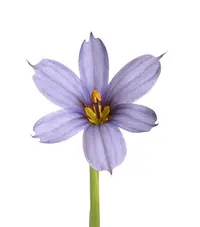
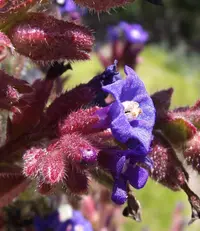
This species produces intense cobalt-blue flowers with a white central eye, a color combination that is especially attractive to bees and other pollinators in open, sunny habitats.

Rough, bristly foliage

Its leaves and stems are covered with stiff, rough hairs, an adaptation that helps reduce herbivory and water loss in dry, calcareous soils.

Preference for lime-rich soils

Anchusa calcarea is naturally associated with calcareous substrates and often occurs on chalky or limestone-rich ground, which matches its specific epithet calcarea, meaning limestone-related.

FAQs about Anchusa calcarea

Lack of flowers usually comes from too much shade, overly rich nitrogen fertilizer, or dry, nutrient-poor soil. Ensure full sun, moderate fertility, and deadhead spent blooms to redirect energy into new flower production instead of seed.

Grow Healthy Plants with Botan Care

Keep your plants happy and healthy with plant identification, disease detection, and easy care guidance.

Botan plant care app — identify plants on mobile

Explore More Plants