broad-leaf gilia Care (Aliciella latifolia)

Also known as: broad-leaved gilia
broad-leaf gilia

About broad-leaf gilia

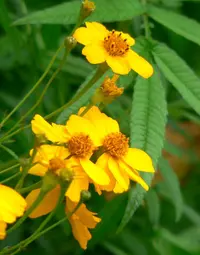
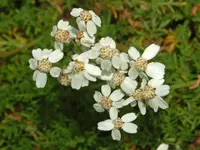
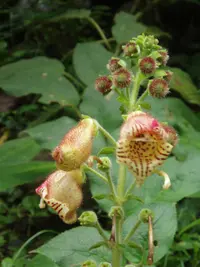
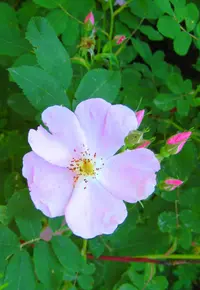
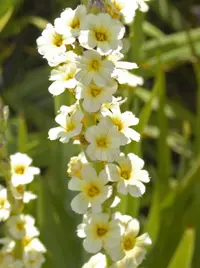
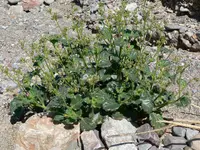
Broad-leaf gilia (Aliciella latifolia) is a small desert wildflower native to the arid regions of the southwestern United States. It is a short-lived perennial or annual, depending on conditions. The plant forms low clumps of broad, fleshy leaves that store water, helping it survive drought and poor soils. In spring it produces clusters of starry pink to whitish flowers held above the foliage on short stems. It naturally occurs on rocky slopes, washes, and desert flats, where drainage is excellent and rainfall is sparse. These adaptations make it relatively low-maintenance in dry, sunny gardens but less suited to humid or poorly drained sites. Understanding how to care for broad-leaf gilia starts with providing strong light, fast-draining soil, and only modest watering.

Main Plant Requirements

Care Difficulty

Moderate Care

Light Preference

Full Sun

Water Requirements

Low Water

Temperature Preference

Warm Climate

Hardiness Zone

6–9

Soil Texture

Sandy, Rocky, Loamy

Soil pH

Neutral (7.0), Slightly alkaline (7.0–7.5)

Soil Drainage

Well-drained

Fertilization

Minimal (feed rarely)

Get Personalized Care Plan

Scan your plant to receive care tips personalized for your specific plant

Available on iOS and Android

How to Care for the broad-leaf gilia

This desert wildflower thrives in strong light but benefits from some protection from the most intense sun.

  • Provide full sun for 6–8 hours per day; broad-leaf gilia develops compact growth and abundant blooms in open, unshaded sites.
  • Accepts light afternoon shade, especially in hotter regions, where a few hours of filtered light can reduce leaf scorch and stress.
  • Avoid dense shade, which causes weak, stretched stems and poor flowering; in winter, ensure the site is not overshadowed by buildings or evergreen trees.

This species is drought-adapted and prefers infrequent, deep watering rather than constant moisture.

  • Allow the top 5–8 cm of soil to dry completely before watering; in sandy, fast-draining ground this often means long dry intervals between rains or irrigations.
  • Use sharply draining, gritty soil so water moves through quickly; standing water or heavy clay strongly increases root rot risk for Aliciella latifolia.
  • In the growing season, watch foliage: limp, curling leaves signal underwatering, while yellowing, soft stems or a sour soil smell suggest overwatering.

This plant is adapted to arid, continental climates with warm days, cool nights, and cold winters.

  • Optimal active growth occurs around 65–80°F (18–27°C), with low humidity and good air movement, similar to open desert or rocky slope conditions.
  • Tolerates summer heat up to about 95°F (35°C) if soil is very well drained and the roots are not kept wet during the hottest period.
  • Hardy to roughly 10–15°F (-12 to -9°C) once established, but young plants benefit from protection from sudden hard frosts and prolonged freeze–thaw cycles.

This desert perennial tolerates very dry air and usually does not need humidity adjustment in home or landscape settings.

  • Ideal relative humidity is 20–40%, matching arid outdoor conditions rather than humid rooms.
  • Plants tolerate prolonged low humidity but may show marginal leaf browning or finer leaf-tip dieback if combined with heat stress.
  • If grown in unusually humid climates, increase airflow around broad-leaf gilia with spacing or a small fan to reduce fungal risk.

This species thrives in very fast-draining, mineral soils that mimic desert wash or rocky slope conditions.

  • Use a sandy or gravelly mix with little organic matter, such as 50–70% coarse sand or grit blended with a lean cactus mix.
  • Ensure drainage is rapid; water should pass through within seconds and the surface should dry within a few hours after watering.
  • Aim for slightly alkaline to neutral pH (7.0–8.0), which suits natural Aliciella latifolia habitats on calcareous or rocky substrates.
  • To improve aeration, incorporate coarse pumice or small gravel, and avoid dense composts, peat-heavy mixes, or clay-based garden soil.

This species can be grown in containers if the pot and medium are managed to stay extremely free-draining.

  • Choose a relatively deep pot to accommodate a taproot and keep the main root mass above any perched water layer.
  • Use unglazed terracotta so moisture can evaporate through the pot walls, preventing prolonged dampness around the roots.
  • Elevate the container slightly on feet or blocks so drainage holes clear surfaces and water cannot pool under the base.

This desert native needs minimal feeding, and overfertilizing broad-leaf gilia can reduce its natural compact habit.

  • In very poor soils, apply a light top-dress of compost once in early spring, mixing gently into the top 2–3 cm.
  • Alternatively, use a low-dose, balanced NPK granular or slow-release fertilizer at 1⁄2 label strength in spring only.
  • Avoid summer and winter feeding, as Aliciella latifolia is adapted to low-nutrient conditions and may become leggy or stressed.

Pruning needs for Aliciella latifolia are light and mainly focused on health and tidiness.

  • Trim spent flower stalks after blooming to encourage a neater mound and potential light rebloom.
  • Remove dead, diseased, or storm-damaged stems at the base using clean, sharp hand pruners.
  • In late winter or very early spring, lightly thin crowded stems to improve air flow without cutting into woody crowns.

This species is better suited to in-ground planting than long-term container culture, so focus on careful site transplanting.

  • Transplant young plants in early spring or fall, when temperatures are mild and soil is workable.
  • Choose a sharply drained, sandy or gravelly site; avoid heavy clay that stays wet in winter.
  • Move plants only when necessary; older clumps resent disturbance and may not reestablish well.
  • Water in gently after transplanting, then allow soil to dry between light follow-up waterings to limit root stress.

Propagation of Aliciella latifolia is usually done from seed rather than vegetative methods.

  • Sow fresh seed in late fall or winter outdoors, allowing natural cold stratification, which aids germination.
  • Use a gritty, fast-draining mix and keep it just slightly moist, never waterlogged.
  • Provide bright light and good air circulation once seedlings emerge to maintain compact growth.
  • Transplant seedlings carefully when they have several true leaves, disturbing roots as little as possible.

This desert perennial is quite cold hardy in its native range and generally needs little winter attention.

  • In regions with wet winters, ensure excellent drainage to prevent root rot in cold, saturated soil.
  • Avoid heavy mulching directly against the crown; a very thin gravel or grit layer is preferable.
  • Container-grown plants in colder zones can be moved to a cold, bright, frost-free area with dry conditions.

Care Tips

Encourage Deep Roots

In the first season, give one slow, penetrating soak every 10–14 days rather than frequent light watering to train roots to grow deep, which improves drought tolerance and long-term survival in arid beds.

Use Mineral Mulch

Apply a thin, 1–2 cm layer of coarse gravel or crushed rock around the crown instead of organic mulch to keep the root zone cool, improve drainage, and prevent crown rot in wet spells.

Protect From Winter Wet

In regions with cool, wet winters, plant on a low mound or in a raised gravel berm so excess water sheds away from the crown, reducing loss from prolonged soil saturation.

Limit Competition

Keep a 15–20 cm weed-free zone around each plant and avoid planting aggressive groundcovers nearby so this small desert perennial is not outcompeted for water and nutrients.

Collect Local Seed

Allow some seed capsules to dry on the plant, then collect and store seeds from the same site or climate, as locally adapted seed often gives the best results when growing broad-leaf gilia in dry landscapes.

Common Pests and Diseases

Leafhoppers

These insects may feed on foliage and stems in open, dry sites, causing pale stippling, minor distortion, and reduced vigor in stressed plants. Symptoms include small white or yellow specks on leaves and quick, jumping insects that scatter when disturbed.

Solution

Use a strong stream of water to dislodge leafhoppers from plants in the early morning and reduce nearby tall weeds that act as hosts. If populations are high, spot-treat foliage with an insecticidal soap or a ready-to-use pyrethrin-based product, applying in the evening to limit impact on pollinators and repeating only as needed.

Spider mites

These pests can become a problem in very hot, dry conditions, leading to fine webbing, bronzed foliage, and gradual decline. Symptoms include tiny moving dots on the undersides of leaves and a dusty or speckled appearance.

Solution

Rinse plants thoroughly with water, focusing on the undersides of leaves, and repeat several times over a week to break the mite cycle. Where water access is limited, prune and dispose of heavily infested stems and, if necessary, use a targeted miticide or insecticidal soap labeled for mites, applied in the cool part of the day.

Powdery mildew

This disease can appear when cool nights follow warm, dry days, coating leaves with white, powdery patches and slightly reducing flowering. Symptoms include dull, grayish white spots that may spread over leaf surfaces but rarely kill the plant outright in arid landscapes.

Solution

Remove and discard the most affected leaves to reduce spore spread and avoid overhead watering that keeps foliage damp at night. Improve air movement by thinning crowded plants and, if the problem persists, apply a sulfur or potassium bicarbonate fungicide labeled for powdery mildew, following label directions closely.

Interesting Facts

Desert rock specialist

This species often grows in cracks and pockets of bare sandstone in the Mojave and Sonoran Deserts, anchoring itself where very little other vegetation can survive.

Unusually broad leaves

Unlike most members of its genus that have narrow or finely divided leaves, this plant has relatively broad, almost succulent-like leaf blades that help reduce water loss in its arid habitat.

Spring desert bloomer

In good rainfall years it produces loose clusters of pink to rose tubular flowers in spring, providing nectar for native bees when other floral resources in its rocky habitat are scarce.

Botan icon

Did you know?

Genetic and morphological studies led to this species being moved from the genus Gilia to Aliciella, reflecting its distinct evolutionary lineage within the phlox family (Polemoniaceae).

FAQs about broad-leaf gilia

This species behaves as a short-lived perennial or sometimes biennial in suitable desert and semi-desert climates. Plants often persist several years if drainage is sharp and competition is low, but individual lifespans are typically modest.

Grow Healthy Plants with Botan Care

Keep your plants happy and healthy with plant identification, disease detection, and easy care guidance.

Botan plant care app — identify plants on mobile

Explore More Plants