Pale yellow-eyed grass Care (Sisyrinchium striatum)

Also known as: satin flower
Pale yellow-eyed grass

About Pale yellow-eyed grass

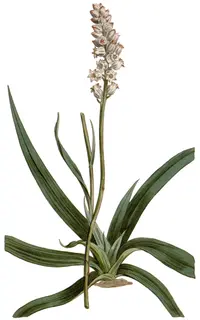
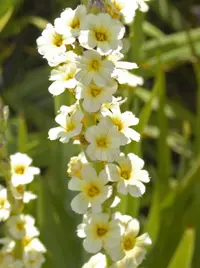
Pale yellow-eyed grass (Sisyrinchium striatum) is a clump-forming perennial from the iris family, valued for its upright fans of foliage and soft yellow flowers. In summer it sends up tall, slender stems with many small, creamy, star-like blooms that open in sequence, giving long-lasting display.

This species is native to South America but is widely grown in temperate gardens as an ornamental edging or accent plant. It is generally easy to grow, provided it has sun, reasonably moist but well-drained soil, and is not crowded by larger, aggressive plants. These traits make it straightforward to care for Pale yellow-eyed grass in many garden settings.

Main Plant Requirements

Care Difficulty

Easy Care

Light Preference

Full Sun

Water Requirements

Moderate Water

Temperature Preference

Cold Hardy

Hardiness Zone

5–9

Soil Texture

Sandy, Loamy, Rocky

Soil pH

Slightly acidic (6.5–7.0), Neutral (7.0)

Soil Drainage

Well-drained

Fertilization

Minimal (feed rarely)

Get Personalized Care Plan

Scan your plant to receive care tips personalized for your specific plant

Available on iOS and Android

How to Care for the Pale yellow-eyed grass

This species thrives in open, bright sites and produces best flowering in full sun.

  • Provide 6–8 hours of direct sun daily; morning and early afternoon sun are ideal in most temperate gardens.
  • Tolerates light partial shade, especially with high summer heat, but dense shade reduces flowering and causes floppy, stretched growth in Pale yellow-eyed grass.
  • In hot regions, protect from intense late-afternoon sun with light shade or nearby taller plants to reduce leaf scorch and moisture stress.

This plant prefers moderately moist but free-draining soil and is sensitive to both drought and waterlogging.

  • Allow the top 3–5 cm of soil to dry between waterings, then water deeply so moisture reaches the full root zone.
  • During hot, dry periods, check soil every 2–3 days; dull, folding, or browning leaf tips usually indicate the need for water.
  • Avoid standing water or heavy clay that stays wet; yellowing, soft foliage and a sour soil smell suggest overwatering and potential root rot in Sisyrinchium striatum.

This hardy perennial tolerates a wide temperature range but flowers best in mild conditions.

  • Ideal growing temperatures are around 60–75°F (16–24°C), typical of late spring and early summer in many temperate climates.
  • Mature plants generally survive down to about 10–15°F (-12 to -9°C) with good drainage, but new plantings benefit from mulch in their first winter.
  • Tolerates summer heat up to about 85–90°F (29–32°C) if soil moisture is maintained; prolonged hotter periods may reduce flowering and stress foliage.

Humidity is rarely critical for Sisyrinchium striatum, which copes well with typical outdoor conditions in temperate climates.

  • Performs reliably in 30–60% humidity, similar to most garden environments.
  • Tolerates dry air and wind, though extreme, hot drought may scorch leaf tips.
  • Humidity stress shows as browning tips and slower growth rather than wilting.
  • In prolonged hot, arid spells, increase local humidity with light mulch and occasional early-morning misting.

Sisyrinchium striatum prefers lean, well-drained soil and dislikes prolonged wetness around the roots.

  • Use a sandy or gritty loam with modest organic matter; mix garden soil with coarse sand and fine gravel to keep it open.
  • Ensure free drainage; raised beds or sloped sites help prevent water from pooling around the crown.
  • Aim for neutral to slightly alkaline pH (about 6.5–7.5); add a small amount of garden lime if soil is notably acidic.
  • Avoid heavy clay or compacted ground; improve aeration by working in grit rather than large amounts of water-retentive compost.

This species can be grown in containers if drainage and root conditions are managed carefully.

  • Choose a pot at least 25–30 cm deep to accommodate its fibrous roots without crowding the crown.
  • Use a heavy, stable container (such as clay) so the tall flower stems are less likely to tip the pot in wind.
  • Elevate the container slightly on pot feet or bricks to keep drainage holes clear and prevent water from accumulating at the base.

Sisyrinchium striatum grows well in lean soils but benefits from light feeding in poor or very sandy ground.

  • Apply a balanced slow-release fertilizer (around 10-10-10) at half strength once in early spring as growth starts.
  • On richer soils, use a thin layer of garden compost instead of granular feed to avoid lush, floppy growth.
  • Avoid feeding during summer dormancy or in winter, as the plant is not actively growing.
  • Water after applying fertilizer to move nutrients into the root zone and reduce the risk of fertilizer burn in Pale yellow-eyed grass.

Pruning helps maintain tidy growth and sustained flowering in Sisyrinchium striatum.

  • In late spring to early summer, shear off spent flower spikes with clean hand pruners to encourage a neater clump.
  • Remove any dead, damaged, or yellowing foliage at the base throughout the season to limit disease and rot.
  • If clumps flop or open, trim back outer fans lightly to improve shape and stimulate fresh leaves from the center.
  • Disinfect tools before and after use, especially in damp weather, to avoid spreading fungal problems.

This species is usually grown in the ground, so focus on careful transplanting rather than frequent repotting.

  • Transplant in early spring or early fall when temperatures are mild and rainfall is more reliable.
  • Choose to move plants only when clumps become congested, flowering declines, or growth slows noticeably.
  • Lift the clump with a fork, keeping a generous soil ball to reduce root stress and drying.
  • Replant at the same depth in well-drained soil, water thoroughly, then keep evenly moist for 1–2 weeks while roots re-establish.

Sisyrinchium striatum is commonly propagated by division or seeds in garden settings.

  • Divide mature clumps in early spring or just after flowering, lifting with a fork and gently teasing apart fans with roots attached.
  • Replant divisions immediately in moist, well-drained soil, spacing them to allow air flow and future expansion.
  • For seed, sow fresh seed in trays outdoors in fall; natural winter chilling improves germination in spring.
  • Keep seed trays lightly moist, in bright light but not scorching sun, until seedlings are large enough to handle.

This plant is generally cold hardy in much of the US and needs only modest winter care.

  • Tolerates light to moderate frost once established, especially in well-drained soil.
  • In colder zones, add a 3–5 cm mulch layer around, not on top of, the crowns after the ground cools.
  • Cut back dead foliage in late winter, leaving a short stubble to mark clump positions and protect buds.
  • For container plants in very cold areas, move pots to a sheltered, unheated but frost-sheltered spot.

Care Tips

Clump Renewal

Every 3–4 years, lift and divide congested clumps in early spring, replanting only the youngest, most vigorous outer fans to keep flowering strong and prevent the center from dying out.

Self-Seed Management

As flowers fade, remove developing seed heads if you want to limit self-seeding, but leave a few on robust plants if you wish to slowly expand the planting without replanting by hand.

Winter Crown Protection

In colder regions, apply a light, sharp-grit mulch or fine gravel around the crown in late fall to improve drainage right at the base and reduce the risk of winter rot.

Staking Flower Spikes

In windy or exposed sites, insert discreet, thin stakes and loosely tie tall flowering stems to keep them upright and reduce the chance of lodging or stem breakage at the base.

Companion Plant Buffer

Plant low, airy companions such as small ornamental grasses a short distance in front of clumps to shelter the narrow foliage from strong winds while still allowing good airflow when growing Pale yellow-eyed grass.

Common Pests and Diseases

Rust

This disease causes yellow to orange-brown pustules on leaves and stems, often leading to premature leaf yellowing and decline in clumps. Symptoms include a dusty spore layer that can spread quickly in warm, moist conditions.

Solution

Remove and dispose of heavily infected leaves and any fallen plant debris, then thin crowded clumps to improve air movement. Avoid overhead watering, water at the base in the morning, and if rust recurs, use a labeled systemic fungicide for ornamental perennials according to package directions.

Leaf spot

This disease produces small, dark, water-soaked or tan lesions on the linear leaves, sometimes with a yellow halo, which can merge into larger patches. Symptoms include cosmetic damage and gradual weakening of dense plantings in prolonged wet weather.

Solution

Cut out and discard affected foliage to reduce inoculum, and keep the area around the plant free of old, spotted leaves. Improve drainage, reduce overhead irrigation, and in severe or repeated cases apply a broad-spectrum foliar fungicide labeled for ornamental leaf spots during wet periods.

Slugs and snails

These pests chew irregular holes and notches in the foliage, mainly on younger leaves and new shoots, and may leave silvery slime trails. This pest is most active at night or during cool, damp weather around the base of clumps.

Solution

Hand-pick slugs and snails in the evening, use slug traps or iron phosphate bait, and reduce hiding spots by removing mulch layers that are too thick and dense debris near the crowns. Maintain slightly drier soil surfaces and good spacing between plants to make the site less favorable.

Aphids

These insects cluster on flowering stems and leaf bases, sucking sap and causing distortion, sticky honeydew, and sometimes sooty mold growth. This pest is more common on lush, fast-growing plants, especially in sheltered garden spots.

Solution

Dislodge aphids with a strong stream of water from a hose, focusing on stems and leaf bases, and repeat as needed. For persistent infestations, use insecticidal soap or a light horticultural oil, and encourage natural predators such as lady beetles by avoiding broad-spectrum insecticides nearby.

Crown rot

This disease leads to browning and collapse of leaves from the base, with soft, rotting tissue at the crown where leaves emerge. Symptoms include sudden dieback in poorly drained or waterlogged soils, particularly in heavy clay beds.

Solution

Lift and discard severely affected plants, and improve site drainage by amending soil with grit or compost and avoiding low-lying, saturated spots. Replant divisions only into well-drained soil, water at the base without overwatering, and space clumps so that crowns dry quickly after rain, which supports long-term Sisyrinchium striatum care.

Interesting Facts

South American origin

This species is native to central Chile and Argentina, where it grows in open, rocky habitats with dry summers and cool, moist winters, which explains its tolerance for poor soils and seasonal drought once established.

Fan-shaped leaf clumps

It forms dense, upright fans of blue-green, sword-like leaves that can create a strong architectural effect in planting schemes while also helping shade its own roots in hot, sunny sites.

Short-lived, self-seeding perennial

Although a perennial, individual plants are often relatively short-lived, but they compensate by self-seeding lightly around the mother plant, gradually maintaining or enlarging a clump under suitable conditions.

Botan icon

Did you know?

In some temperate gardens outside its native range, especially in parts of the UK and coastal regions with mild winters, this species has naturalized along walls, gravel paths, and dry banks, behaving almost like a spontaneous wildflower in urban and suburban settings.

FAQs about Pale yellow-eyed grass

This species spreads slowly by short rhizomes and self-seeding, usually forming neat clumps rather than running aggressively. In well-managed beds, unwanted seedlings are easily removed, so it rarely becomes a nuisance in typical gardens.

Grow Healthy Plants with Botan Care

Keep your plants happy and healthy with plant identification, disease detection, and easy care guidance.

Botan plant care app — identify plants on mobile

Explore More Plants