Rocky mound planting
Plant on a raised, very gravelly mound or rock garden berm so excess water drains away quickly and the crown stays dry during wet seasons.

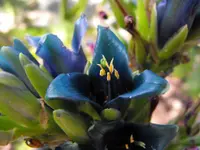
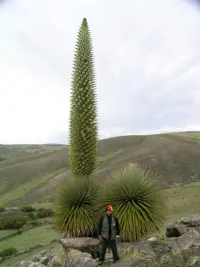
Sapphire tower (Puya alpestris) is a terrestrial bromeliad known for its tall, architectural rosettes and striking turquoise-blue flower spikes. It forms stiff, spiny, silver-green leaves in a dense clump that slowly enlarges over time.
This species is native to the dry, high-elevation slopes of central Chile, where it experiences strong sun, cool nights, and well-drained, rocky soils. It suits experienced gardeners who want to care for Sapphire Tower, because its slow growth, sharp spines, and need for excellent drainage make it more demanding than common houseplants.
In cultivation it generally prefers very bright light, moderate moisture, and gritty, fast-draining soil that dries between waterings.

Care Difficulty
Hard Care

Light Preference
Full Sun

Water Requirements
Low Water

Temperature Preference
Warm Climate

Hardiness Zone
9–11

Soil Texture
Sandy, Loamy, Rocky

Soil pH
Slightly acidic (6.5–7.0), Neutral (7.0)

Soil Drainage
Well-drained

Fertilization
Minimal (feed rarely)
Scan your plant to receive care tips personalized for your specific plant
Available on iOS and Android
This high-altitude bromeliad needs strong light to flower well and keep its rosettes compact.
Puya alpestris prefers infrequent, deep watering and very fast-draining soil.
This species is adapted to cool, dry mountain climates but handles a moderate range in gardens.
This species prefers dry air and does not need elevated humidity.
This terrestrial bromeliad needs a very fast-draining, mineral-heavy soil to prevent root and crown rot.
This species can be grown in containers if the pot and medium are chosen to keep the roots dry and stable.
This bromeliad needs only light feeding, as it is adapted to nutrient-poor, rocky soils.
Pruning needs for Puya alpestris are minimal and focus on hygiene rather than shaping.
This species is usually grown in the ground, but container plants sometimes need careful transplanting.
New plants are most often raised from offsets, with seed used for larger-scale Puya alpestris plant care projects.
This high-altitude species is relatively cold tolerant but benefits from some winter attention in temperate climates.

Plant Health Check
Not sure what's wrong with your plant? Check your plant's health inside the app.
This species produces metallic turquoise to teal flowers with deep violet anthers, a rare color combination in flowering plants and especially unusual in bromeliads.
Each flower holds a pool of concentrated nectar that attracts native Chilean birds such as the Chilean mockingbird and Chilean pigeon, which act as primary pollinators.
Unlike many bromeliads that grow on trees, this plant is strictly terrestrial and forms dense rosettes with rigid, sharply spined leaves that deter grazing animals in its native Chilean scrublands.

In its native central Chile, this species often grows on steep, rocky slopes where its deep, fibrous root system helps stabilize thin soils, making it an important structural component of fragile hillside ecosystems.
This species often takes several years to reach flowering size and needs strong light, a cool dry rest, and maturity. Overly rich soil, frequent repotting, or warm, moist winters usually delay flower spike formation.
Keep your plants happy and healthy with plant identification, disease detection, and easy care guidance.