Hardy fuchsia Care (Fuchsia magellanica)

Also known as: Hummingbird Fuchshia
Hardy fuchsia

About Hardy fuchsia

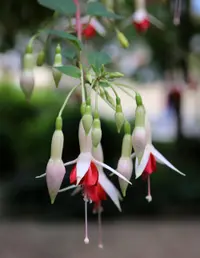
Hardy fuchsia, Fuchsia magellanica, is a deciduous shrub grown for its elegant, pendulous flowers that appear over a long season. It forms a bushy plant with slender, arching stems and small leaves, often used in borders, patio containers, or informal hedges.

In nature, it comes from cool, damp regions of South America, especially Chile and Argentina, which explains its preference for mild summers. The tubular, bicolored flowers attract hummingbirds in suitable climates and add movement and color to shaded gardens.

This species is generally robust and cold-tolerant compared with many other fuchsias, so it suits temperate gardens. To care for Hardy fuchsia, provide consistent moisture, shelter from hot afternoon sun, and well-drained but fertile soil.

Main Plant Requirements

Care Difficulty

Moderate Care

Light Preference

Partial Shade

Water Requirements

Keep Soil Moist

Temperature Preference

Cool Climate

Hardiness Zone

6–9

Soil Texture

Loamy, Silty, Organic-rich

Soil pH

Acidic (5.5–6.5), Slightly acidic (6.5–7.0)

Soil Drainage

Moist but well-drained

Fertilization

Light (every 4–6 weeks)

Get Personalized Care Plan

Scan your plant to receive care tips personalized for your specific plant

Available on iOS and Android

How to Care for the Hardy fuchsia

This shrub prefers bright, gentle light rather than intense, all-day sun.

  • Provide 3–6 hours of morning sun with light afternoon shade; dappled or filtered light under high trees suits Hardy fuchsia well.
  • In hot summers, protect from strong midday sun to prevent leaf scorch and flower drop; east or north-facing exposures are ideal.
  • If stems stretch, leaves pale, or flowering decreases, the site is too shady; if leaves curl, crisp, or brown at edges, sun exposure is excessive.

This species needs steadily moist but not waterlogged soil to flower well and stay healthy.

  • Water when the top 2–3 cm of soil feels dry; soak the root zone deeply, then let excess drain away to avoid root rot.
  • Use rich, well-drained soil with added compost; avoid compacted or heavy clay unless improved with grit or organic matter for better drainage.
  • In hot, dry weather, watch for wilting and dull leaves as signs of thirst; yellowing, soft leaves and persistent soggy soil indicate overwatering in Fuchsia magellanica.

This shrub thrives in mild climates and tolerates cool conditions better than high heat.

  • Optimal growth occurs around 60–70°F (16–21°C), with slightly cooler nights encouraging strong flowering and compact growth.
  • Mature plants can survive short dips to about 10–15°F (-12–-9°C) with mulch protection, but new growth is damaged by late frosts near 32°F (0°C).
  • Above 85°F (29°C), provide shade and consistent soil moisture; prolonged heat or hot dry winds can cause bud drop, leaf scorch, and reduced flowering.

This species prefers moderate to high humidity and reacts quickly to very dry air.

  • Aim for 50–70% humidity to keep foliage lush and reduce stress during warm weather.
  • Dry indoor air causes limp leaves, browning edges, and flower bud drop on Hardy fuchsia shrubs.
  • Increase humidity with grouped pots, a pebble tray under outdoor containers, or brief morning misting in heatwaves.

This shrub performs best in consistently moist, airy soil that drains freely yet holds organic matter.

  • Use a loamy, organic-rich mix such as 2 parts composted bark or garden loam, 1 part compost, and 1 part perlite.
  • Ensure drainage is rapid enough that water does not pool longer than a few minutes after watering or heavy rain.
  • Target a slightly acidic to neutral pH of 6.0–7.0, avoiding chalky, strongly alkaline ground that restricts nutrient uptake.
  • Improve heavy clay by incorporating coarse bark, sharp sand, and compost to boost aeration and prevent root rot in Fuchsia magellanica.

This species adapts well to container culture when given stable, evenly moist conditions.

  • Choose a deep, wide pot to accommodate its fibrous root system and reduce rapid drying between waterings.
  • Select a heavier material like ceramic or thick-walled plastic to prevent wind from toppling tall, arching stems.
  • Raise the container slightly on pot feet so drainage holes stay clear and runoff moves away quickly after irrigation.

Fuchsia magellanica responds well to moderate, consistent feeding during active growth.

  • Apply a balanced liquid fertilizer (such as 10-10-10) at 1/2 strength every 2–4 weeks from spring to early fall.
  • Use a slow-release fertilizer or light compost in early spring to support season-long growth and flowering.
  • Avoid high-nitrogen products, which can cause soft, leafy growth at the expense of blooms.
  • Stop feeding or reduce to very weak monthly applications in late fall and winter when growth slows.

Fuchsia magellanica benefits from thoughtful pruning to maintain shape and vigorous flowering.

  • In late winter or very early spring, remove dead, damaged, or winter-killed stems back to healthy wood.
  • Thin crowded shoots to open the center, improving air flow and reducing disease risk.
  • Shorten remaining stems by 1/3–1/2 to encourage dense, bushy growth and abundant flowers.
  • Use clean, sharp hand pruners and make angled cuts just above outward-facing buds.

Container-grown Fuchsia magellanica or young plants in nursery pots occasionally need repotting or transplanting for healthy root growth.

  • Check for roots circling the pot, emerging from drainage holes, or unexplained slow growth as signals to move up 1 pot size.
  • Plan to repot or transplant in early spring, every 2–3 years for containers, or once established in a permanent garden position.
  • Gently loosen circling roots and trim broken ones, then set the plant at the same soil level in fresh, moist, free-draining mix or garden soil.
  • Water thoroughly after moving, shade from strong sun for several days, and keep soil evenly moist to reduce transplant stress.

Fuchsia magellanica is commonly propagated from softwood or semi-ripe cuttings for consistent flowering plants.

  • Take 7–10 cm softwood cuttings in late spring or early summer, just below a leaf node.
  • Remove lower leaves, dip the cut end in rooting hormone, and place in a moist, free-draining mix under bright, indirect light.
  • Maintain high humidity with a vented plastic cover and keep temperatures around 65–75°F for steady rooting.
  • For seed-grown plants, sow fresh seed on the surface of fine mix, keep lightly moist, and expect more variable offspring.

In many mild regions Hardy fuchsia is root-hardy, but above-ground parts can be damaged by hard frost.

  • In USDA zones around 6–7, expect top growth to die back while roots often survive and resprout in spring.
  • After the first frosts, apply a 5–10 cm mulch layer over the root zone to moderate soil temperature.
  • Leave dead stems in place over winter in colder areas to shelter the crown, cutting them back in early spring.
  • Move container plants to a cool, frost-free, bright place and water sparingly, keeping the rootball just barely moist.

Care Tips

Wind-hardened structure

Site plants where they receive regular but not extreme air movement so stems thicken gradually, which reduces breakage and helps the shrub overwinter more reliably in exposed gardens.

Layering for renewal

In early summer, pin a low, flexible stem to the soil with a U-shaped wire and lightly cover it with compost so it roots in place, then sever and transplant this new plant the following spring to keep clumps vigorous.

Cool-root mulching

Apply a 5–8 cm layer of composted bark or leaf mold around the root zone each spring to keep roots cool, conserve moisture, and reduce weed competition without burying the woody crown.

Selective stem training

Tie a few strong young shoots loosely to a cane or fence and remove weak, congested stems so the plant forms a well-aired framework that flowers more evenly and resists fungal disease.

Overwintering insurance

In colder regions, allow top growth to die back naturally, then pile a loose mulch of dry leaves or straw 10–15 cm deep over the root area to protect the crown, which is especially useful when growing Hardy fuchsia near its hardiness limit.

Common Pests and Diseases

Fuchsia gall mite

This pest causes distorted, swollen growth at shoot tips, with thickened, reddened, or blistered leaves and flowers that never form normally. Damage is usually concentrated on new growth and can make the plant look tufted or witches-broomed.

Solution

Immediately hard-prune and dispose of all distorted growth in the trash, not in compost, then monitor closely for new symptoms. In mild climates, maintain good spacing and airflow, avoid bringing in infested plants, and use a targeted miticide or sulfur-based spray according to label directions if pruning alone does not stop the spread.

Fuchsia rust

This disease produces yellow spots on upper leaf surfaces and orange to rust-colored pustules on the undersides. Symptoms include premature leaf drop and general thinning of the plant canopy, especially in humid weather.

Solution

Remove and discard all affected leaves and severely infected shoots, then improve airflow by thinning crowded stems and avoiding overhead watering. In areas where rust recurs, apply a labeled fungicide at the first signs of spotting and keep fallen leaves cleaned up from around the base of the shrub.

Whitefly

These insects cluster on the undersides of leaves, fly up in small clouds when disturbed, and excrete sticky honeydew that can lead to sooty mold. This pest weakens plants, causing yellowing leaves and reduced flowering.

Solution

Regularly check leaf undersides and use a strong stream of water to dislodge adults and nymphs, repeating every few days. For ongoing problems, combine yellow sticky traps with applications of insecticidal soap or horticultural oil, making sure to cover both leaf surfaces and treating in cooler parts of the day.

Aphids

These insects feed on tender shoot tips and buds, causing curled or distorted foliage and sticky honeydew deposits. Ants are often attracted to the honeydew and may protect the aphids, making infestations more persistent.

Solution

Pinch or wash off infested shoot tips and rinse colonies from stems with water, repeating as needed. For heavier infestations, use insecticidal soap or dilute horticultural oil, and if possible reduce nearby ant activity so natural predators such as lady beetles can help control the population.

Botrytis blight

This disease affects flowers, buds, and soft stems, producing soft brown spots that quickly develop gray, fuzzy mold in cool, damp weather. Symptoms include bud drop, rotting petals, and dieback of tender growth.

Solution

Remove and discard all affected flowers and stems, avoid overhead watering, and space plants so foliage dries quickly after rain or irrigation. In persistently cool, humid conditions, a preventive fungicide labeled for botrytis can be used on buds and young shoots, combined with regular deadheading and sanitation as part of overall Fuchsia magellanica care.

Interesting Facts

Hummingbird-pollinated flowers

In its native southern Chile and Argentina, this species is primarily pollinated by hummingbirds that are attracted to its long, tubular, red and purple flowers, which match the birds’ visual preferences and bill shape.

High cold tolerance

Unlike many other fuchsia species, this shrub can survive in-ground in relatively cold, temperate climates, tolerating light to moderate frost and making it one of the hardiest ornamental fuchsias in cultivation.

Hybrid parentage importance

This species has been widely used in ornamental breeding and has contributed its hardiness and slender, pendulous flower form to many modern garden fuchsia hybrids, shaping much of today’s hardy fuchsia diversity.

Botan icon

Did you know?

In parts of the British Isles and coastal New Zealand, long-established hedges and thickets of this South American shrub have naturalized so successfully along roadsides and field boundaries that they are often perceived as a traditional element of the local landscape, despite being non-native.

FAQs about Hardy fuchsia

Lack of blooms usually comes from too little light, excessive heat, old woody stems, or heavy nitrogen feeding. Regular pruning of older stems and balanced fertilizer helps flowering, as do cooler summer temperatures and avoiding water stress.

Grow Healthy Plants with Botan Care

Keep your plants happy and healthy with plant identification, disease detection, and easy care guidance.

Botan plant care app — identify plants on mobile

Explore More Plants