Rhizome Containment
Install a 24–30 in deep high-density polyethylene (HDPE) rhizome barrier around planting areas, angled slightly outward and with a 2–3 in lip above soil, to prevent uncontrolled spread while still allowing strong culm production.

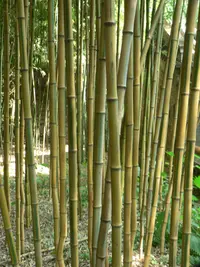
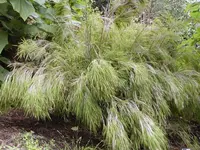
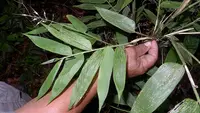
Yellow grove bamboo, Phyllostachys aureosulcata, is a hardy, fast-growing woody grass often used for hedging, screens, and ornamental groves. It forms upright, cane-like stems with distinctive yellow or green culms that may have vertical grooves and occasional zigzag lower sections.
This species is native to China but is widely grown in temperate gardens in North America and Europe. It spreads by running rhizomes, so it can become vigorous without root barriers or regular control.
The plant is relatively easy to grow where winters are cool to cold, provided it has sun, moisture-retentive but draining soil, and consistent watering in its establishment phase. Understanding how to care for yellow grove bamboo mainly involves managing its spread and maintaining adequate moisture and light.

Care Difficulty
Moderate Care

Light Preference
Full Sun

Water Requirements
Regular Water

Temperature Preference
Cold Hardy

Hardiness Zone
4–9

Soil Texture
Sandy, Loamy, Clay

Soil pH
Acidic (5.5–6.5), Slightly acidic (6.5–7.0)

Soil Drainage
Moist but well-drained

Fertilization
Minimal (feed rarely)
Scan your plant to receive care tips personalized for your specific plant
Available on iOS and Android
This species prefers ample sun for strong culm color and dense growth outdoors.
Water management for this bamboo focuses on steady moisture without waterlogging the root zone.
This temperate bamboo handles significant cold but grows best within moderate temperature ranges.
This bamboo prefers moderate humidity but usually adapts well in most outdoor conditions.
Phyllostachys aureosulcata grows best in moist, well-aerated, loamy ground with consistent drainage.
This species can be grown in containers if the pot is large, stable, and managed to prevent waterlogging and root stress.
Phyllostachys aureosulcata responds well to moderate feeding during active growth, especially in poor soils.
Phyllostachys aureosulcata benefits from light structural pruning to manage height, density, and safety.
Transplanting or dividing this running bamboo helps manage spread and maintain healthy, vigorous clumps.
Propagation of Phyllostachys aureosulcata is usually done by division of rhizomes rather than by seed.
This bamboo is notably cold hardy but benefits from simple winter care in colder regions.

Plant Health Check
Not sure what's wrong with your plant? Check your plant's health inside the app.
This species tolerates much colder winters than many bamboos and can survive in-ground in parts of USDA zone 5 when well established, which is unusually hardy for a large timber-type bamboo.
Its most recognizable feature is the bright yellow longitudinal groove, or sulcus, on otherwise green culms, a color contrast that makes the ridged side of each cane visually stand out even from a distance.
Young culms commonly form a characteristic zigzag pattern near the base, caused by slightly kinked lower internodes, which gives clumps a sculptural, almost jointed look not typical of many other hardy bamboos.

In some cultivated forms of this species, cold exposure and strong light can trigger striking red to burgundy blushes on the sunny side of the yellow culms, creating multi-colored canes that are highly valued in ornamental plantings and often highlighted in Phyllostachys aureosulcata care instructions.
This species is a running bamboo with long, spreading rhizomes. In open ground it can spread aggressively if unmanaged. Use deep, sturdy root barriers and regular rhizome pruning to keep the planting within defined boundaries.
Keep your plants happy and healthy with plant identification, disease detection, and easy care guidance.