Giant Timber Bamboo Care (Phyllostachys reticulata)

Giant Timber Bamboo

About Giant Timber Bamboo

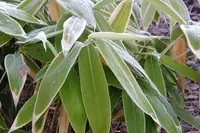
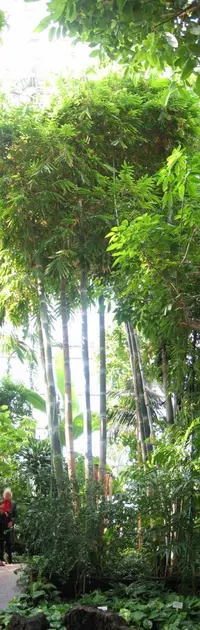
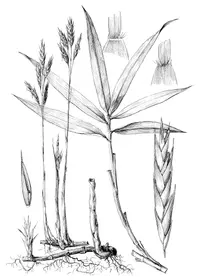
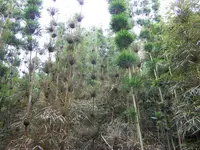
Giant timber bamboo (Phyllostachys reticulata) is a large, woody grass valued for its tall, upright canes and dense foliage. It forms fast-growing clumps or groves that create strong vertical structure and privacy screens.

This species is native to parts of East Asia, where it grows in warm, temperate to subtropical climates. In suitable conditions it can reach impressive heights and develops thick, segmented culms with a clean, architectural look.

It is considered relatively easy to manage if planted in the right site, but its vigorous growth requires space and, in some regions, containment barriers. Understanding how to care for Giant Timber Bamboo starts with providing sun, regular moisture, and well-drained, fertile soil.

Main Plant Requirements

Care Difficulty

Moderate Care

Light Preference

Full Sun

Water Requirements

Regular Water

Temperature Preference

Cold Hardy

Hardiness Zone

7–10

Soil Texture

Sandy, Loamy, Organic-rich

Soil pH

Acidic (5.5–6.5), Slightly acidic (6.5–7.0)

Soil Drainage

Moist but well-drained

Fertilization

Minimal (feed rarely)

Get Personalized Care Plan

Scan your plant to receive care tips personalized for your specific plant

Available on iOS and Android

How to Care for the Giant Timber Bamboo

Phyllostachys reticulata prefers bright outdoor conditions with several hours of direct sun for strong culm growth.

  • Provide 4–6 hours of direct morning sun with light afternoon shade; in hot summer areas, shield from harsh sun after 2–3 pm to reduce leaf scorch.
  • Tolerates light or dappled shade, but in dense shade new shoots become weak and sparse, and culm color fades.
  • In winter, maximize light by avoiding heavy overhead shade; in summer, use neighboring trees or structures to create filtered light during heat waves for Giant Timber Bamboo.

This bamboo benefits from consistently moist but not saturated soil, especially during active shoot growth.

  • Water when the top 3–5 cm of soil feels slightly dry, then soak the root zone deeply so moisture reaches 20–30 cm down.
  • During hot, windy periods, increase watering frequency; in cool or rainy seasons, reduce watering to avoid standing water and root rot.
  • Overwatering shows as yellowing leaves and soft, pale new shoots, while underwatering causes rolling or curling leaves by midday in Phyllostachys reticulata.

This species is a temperate bamboo that handles moderate cold and summer heat when soil moisture is stable.

  • Ideal growing temperatures are 65–85°F (18–29°C), when shoot elongation and leaf production are most vigorous.
  • Established plants tolerate brief drops to about 5–10°F (-15 to -12°C), but young culms and leaves may die back with repeated hard frosts.
  • In hot spells above 95°F (35°C), maintain soil moisture and light afternoon shade to limit heat stress and leaf tip burn, especially on newly planted groves.

This species grows best in moderate to fairly humid air but tolerates short dry spells.

  • Aim for 40–60% humidity to keep foliage lush and minimize leaf-tip browning.
  • Dry indoor air causes rolled or curling leaves and brown, crisp tips along exposed edges.
  • Increase humidity with nearby water trays, grouped plants, or occasional hosing of the culms and leaves outdoors when conditions are very dry.

This bamboo prefers deep, moist, well-aerated soil that does not stay waterlogged.

  • Use a loamy, organic-rich base with a crumbly structure that holds moisture yet drains freely.
  • Blend garden loam with compost and coarse sand or fine bark to improve both drainage and aeration.
  • Target a slightly acidic to neutral pH around 6.0–7.0, avoiding strongly alkaline or salty sites.
  • Avoid heavy, compacted clay or spots where water pools after rain, as roots suffocate and rhizomes rot.

This species can be grown in large, sturdy containers if root space and stability are carefully managed.

  • Choose a wide, deep pot that allows rhizomes to spread laterally, which helps control vigor while avoiding rapid crowding.
  • Select a heavy material such as thick ceramic or concrete to prevent tall, wind-exposed culms from tipping the container.
  • Elevate the pot slightly on blocks or feet so drainage holes clear fully and excess water escapes instead of collecting under the base.

Phyllostachys reticulata responds well to moderate, steady nutrition during the active growing season.

  • Use a balanced slow-release fertilizer (e.g., 10-10-10) or well-rotted compost once in early spring as new shoots emerge.
  • On poorer soils, repeat a light application in midsummer, avoiding high-nitrogen lawn products that cause weak, lush growth.
  • For liquid feeds, apply at 1/2 strength every 4–6 weeks during growth, always onto moist soil to limit root burn.
  • Stop feeding Giant Timber Bamboo in late summer to allow canes to harden and avoid stimulating tender late-season growth.

Phyllostachys reticulata benefits from periodic pruning to maintain structure, safety, and air flow in the grove.

  • Carry out main pruning in late winter to early spring before new shoots extend, when canes are easy to assess.
  • Remove dead, damaged, crossing, or badly leaning culms at ground level using sharp loppers or a pruning saw.
  • Thin crowded interior culms to increase light and air movement, encouraging stronger, straighter new growth.
  • Limb up selected canes by removing lower side branches to create cleaner stems and easier access through the bamboo.

This running bamboo is usually grown in the ground, so transplanting and containment are more important than frequent repotting.

  • Transplant or divide in early spring or early fall, when temperatures are mild and moisture is reliable.
  • Move plants when roots circle containers, growth slows, or rhizomes press against barriers, typically every 2–4 years in pots.
  • Prepare a large, sturdy container or in-ground root barrier, using well-draining soil and ample space for rhizome spread.
  • Reduce stress by watering deeply before and after moving, shading the clump for 1–2 weeks, and trimming excess foliage if root loss is significant.

Expansion of Phyllostachys reticulata is most reliable through division of rhizomes rather than by seed.

  • Take divisions in early spring as buds swell, lifting a section with 2–4 healthy culms and a solid rhizome mass.
  • Use a clean, sharp spade or saw to cut sections, keeping fine feeder roots attached to support recovery.
  • Replant divisions promptly into moist, well-drained soil, positioning culms upright and firming soil around the rhizomes.
  • Maintain even moisture and light shade for several weeks after division to support rooting and reduce foliage stress.

Mature Phyllostachys reticulata is generally cold hardy in much of the US but young or container plants benefit from simple winter precautions.

  • In-ground clumps tolerate moderate frost, though leaf tip burn can occur in exposed, windy positions.
  • Apply a 5–10 cm mulch layer over the root zone in late fall to buffer freeze–thaw cycles and conserve moisture.
  • For containers, move pots to a sheltered, unheated but frost-moderated spot and insulate the container sides if winters are severe.
  • Avoid heavy pruning or high-nitrogen feeding late in the season so new canes mature before winter conditions arrive.

Care Tips

Rhizome Containment

Install a 60–90 cm deep HDPE rhizome barrier around the planting area with a 5–10° outward lean, and inspect the edge line twice a year to cut back any rhizomes that attempt to jump the barrier.


Selective Culm Thinning

Remove the oldest, crowded, or weak culms at ground level every 1–2 years using a sharp pruning saw to improve air flow, light penetration, and the vigor of newer shoots.

Wind And Lean Support

In exposed sites, brace tall culms with discreet guy lines or bamboo cross-bracing to prevent wind snap, and gradually remove supports as the grove develops stronger, thicker culms.

Foot-Traffic Mulch Paths

Create permanent walking paths through the grove with 5–8 cm of wood-chip mulch and use these corridors for maintenance so soil around the main clumps stays undisturbed and better aerated.

Shoots For Size Control

In spring, snap off or cut unwanted new shoots at soil level while still tender to control spread and manage density, which is a precise and low-stress way of growing Giant Timber Bamboo in limited space.

Common Pests and Diseases

Bamboo mites

This pest feeds on the undersides of leaves, causing pale yellow stippling that can merge into bronzed or scorched-looking foliage. Symptoms include fine webbing along the leaf veins and gradual leaf decline, especially in hot, dry conditions.

Solution

Inspect leaf undersides regularly and rinse foliage with a strong stream of water to dislodge mites and webs. For heavier infestations, use a horticultural oil or insecticidal soap labeled for mites, applied thoroughly to both leaf surfaces in the early morning or late afternoon, and reduce plant stress with consistent watering and some protection from reflected heat.

Bamboo aphids

These insects cluster on young shoots and leaf bases, sucking sap and causing leaf curl, distortion, and sticky honeydew that can lead to black sooty mold. This pest tends to build up quickly on lush, nitrogen-rich growth.

Solution

Prune and discard heavily infested shoots, then wash remaining stems and leaves with water to remove aphids and honeydew. If needed, apply insecticidal soap or a light horticultural oil to all infested surfaces, and avoid overfertilizing with high-nitrogen products to reduce very soft, attractive new growth when growing Giant Timber Bamboo.

Bamboo scale

These insects appear as small, immobile bumps on culms and leaf sheaths, slowly weakening plants by removing sap. Symptoms include yellowing leaves, poor shoot growth, and sticky residue that may support sooty mold.

Solution

Gently scrape or wipe off scales from culms with a soft brush or cloth, then treat remaining colonies with horticultural oil, making sure to coat all sides of culms and nodes. Improve vigor with proper watering and mulching, and repeat oil treatments according to label directions to disrupt the scale life cycle.

Sooty mold

This disease develops as a black, sooty coating on leaves and culms that grow on honeydew excreted by aphids, scale, or other sap-feeding insects. Symptoms include reduced photosynthesis and an overall dull, dirty appearance of the foliage.

Solution

Control the underlying sap-feeding insects first, then gently wash affected leaves and culms with water to remove the mold layer. Prune severely coated, shaded, or crowded culms to improve airflow and light penetration, which helps new clean foliage function better.

Fusarium culm blight

This disease causes dark, water-soaked or purplish lesions on culms and nodes that may progress to dieback of individual canes. Symptoms include localized wilting, dead side branches, and canes that fail to leaf out properly in spring.

Solution

Promptly cut out and dispose of affected culms at ground level to remove infected tissue, disinfecting cutting tools between plants. Improve drainage and airflow by thinning crowded clumps, avoid overhead irrigation on foliage and culms, and keep plant debris cleared to reduce fungal spore levels as part of long-term Phyllostachys reticulata plant care.

Interesting Facts

Chinese timber species

This running bamboo is native to parts of China and has long been used locally as a structural timber species, valued for its tall, straight, thick-walled culms.

Cold-hardy timber bamboo

Unlike many large tropical bamboos, this species tolerates relatively cool temperate conditions and can survive winter lows that would damage or kill many other large timber bamboos.

Dense rhizome network

It spreads through an extensive running rhizome system that forms a dense underground network, allowing rapid clump expansion and strong soil binding when properly contained.

FAQs about Giant Timber Bamboo

This species is extremely fast-growing, often adding 60–90 cm of height per year once established, and more in ideal conditions. Warmth, consistent moisture, and fertile soil all significantly increase its growth rate when caring for Giant Timber Bamboo.

Grow Healthy Plants with Botan Care

Keep your plants happy and healthy with plant identification, disease detection, and easy care guidance.

Botan plant care app — identify plants on mobile

Explore More Plants