tortoise shell bamboo Care (Phyllostachys edulis)

Also known as: Moso Bamboo
tortoise shell bamboo

About tortoise shell bamboo

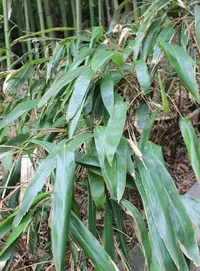
Tortoise shell bamboo, Phyllostachys edulis, is a large, woody bamboo grown as an ornamental screening plant and, in suitable climates, as a timber and edible shoot crop. It forms tall, upright culms with a strong vertical habit and dense foliage, creating a structured, architectural look. Some selected forms show the characteristic tortoise shell patterning on the culms, which is especially valued in gardens. This species is native to East Asia, especially China and Japan, and thrives in mild, temperate to warm climates with adequate moisture. It is vigorous and long-lived but needs space, control of spreading rhizomes, and consistent water to stay healthy, so learning how to care for tortoise shell bamboo is important for predictable growth.

Main Plant Requirements

Care Difficulty

Moderate Care

Light Preference

Full Sun

Water Requirements

Regular Water

Temperature Preference

Cold Hardy

Hardiness Zone

7–10

Soil Texture

Sandy, Loamy, Organic-rich

Soil pH

Acidic (5.5–6.5), Slightly acidic (6.5–7.0)

Soil Drainage

Moist but well-drained

Fertilization

Light (every 4–6 weeks)

Get Personalized Care Plan

Scan your plant to receive care tips personalized for your specific plant

Available on iOS and Android

How to Care for the tortoise shell bamboo

This large bamboo thrives in bright outdoor conditions with ample direct sun for strong culm and leaf development.

  • Provide 6–8 hours of sun daily, with morning sun and light afternoon shade ideal, especially in hotter regions to limit leaf scorch.
  • Tortoise shell bamboo tolerates light partial shade (around 4 hours direct sun) but will produce thinner culms and slower growth in lower light.
  • Avoid deep shade and highly reflective, all-day afternoon sun; monitor leaves for yellowing or crisp edges and adjust exposure seasonally as sun angles shift.

This species prefers consistently moist, not waterlogged, soil to support vigorous rhizome and culm growth.

  • Water when the top 3–5 cm of soil feels just slightly dry, then soak the root zone deeply to encourage a wide, stable root system.
  • In hot, dry periods increase watering frequency, while in cool or rainy seasons reduce input to prevent standing water and root rot.
  • Monitor for stress: curling or folding leaves signal drought, while yellowing, limp leaves and sour-smelling soil suggest overwatering and poor drainage around Phyllostachys edulis.

Robust growth occurs in mild to warm climates, but this bamboo shows notable cold tolerance once established.

  • Optimal growth occurs around 65–85°F (18–29°C), supporting active shoot emergence and steady culm thickening during the growing season.
  • Mature plants tolerate brief drops to about 0°F (−18°C), though young shoots and foliage can be damaged by repeated hard frosts without mulch or wind protection.
  • In hot summers above 95°F (35°C), provide soil mulching and sufficient moisture to limit heat stress, leaf burn, and premature leaf drop.

This bamboo prefers moderate humidity but usually adapts to typical outdoor conditions.

  • Aim for 40–60% humidity in sheltered or patio plantings, avoiding extremely arid microclimates near hot walls or paving.
  • Tortoise shell bamboo tolerates short dry spells, but prolonged very dry air can cause leaf tip browning and edge scorch.
  • Increase local humidity by mulching the root zone 5–8 cm deep and grouping plants to reduce wind-driven evaporation around foliage.

Phyllostachys edulis needs deep, well-drained yet moisture-retentive soil to support its fast growth and extensive rhizome system.

  • Use a loamy structure with 30–50% organic matter (composted bark, leaf mold, or compost) to hold moisture without becoming waterlogged.
  • Ensure drainage is free by avoiding compacted clay; incorporate coarse sand or fine gravel in heavy soils to improve percolation and aeration.
  • Target a slightly acidic to neutral pH around 5.5–7.0, avoiding strongly alkaline sites that can reduce nutrient availability and cause chlorosis.
  • Do not plant in shallow, stony, permanently wet, or saline soils, which restrict rhizome spread and increase root rot risk.

This species can be grown in large containers, but it needs careful management to keep roots healthy and the plant stable.

  • Choose a tall, heavy container that resists wind tipping and gives the vigorous rhizomes vertical depth rather than only surface spread.
  • Select a thick-walled pot material (fiberglass, wood, or heavy ceramic) to buffer rapid temperature and moisture swings around the root zone.
  • Raise the container on feet so every drainage hole stays clear, preventing perched water from accumulating at the base and suffocating roots.

This bamboo responds well to moderate feeding, especially when grown for strong culms or dense screening.

  • Use a balanced slow-release fertilizer (around 10-10-10) or well-aged compost at the start of spring for Phyllostachys edulis.
  • Apply again in midsummer if growth is active, keeping granules off culms and foliage.
  • In containers, feed with a balanced liquid fertilizer at 1/2 strength every 4–6 weeks in the growing season.
  • Reduce or stop feeding in fall and winter, as growth slows and tortoise shell bamboo enters a semi-dormant phase.

Thoughtful pruning keeps Phyllostachys edulis stands healthier, less crowded, and easier to manage.

  • Prune in late winter or early spring before new shoots elongate, when structure is easy to see.
  • Remove dead, damaged, or crossing culms at ground level using clean, sharp loppers or a pruning saw.
  • Thin the clump by taking out some older, crowded culms to improve light, airflow, and new shoot vigor.
  • Limb up selected culms by removing lower side branches to create clear stems and a more open, architectural appearance.

Management focuses more on transplanting clumps or divisions than on frequent container repotting.

  • Transplant or divide in early spring before new shoots extend, or in early fall where winters are mild.
  • Look for roots circling a container, soil drying very fast, or declining vigor as signs a plant needs a larger space.
  • Lift the clump with as much root ball as possible, slice clean divisions with a sharp spade, and keep roots shaded.
  • Replant at the same depth, firm soil gently, water deeply, and maintain even moisture for several weeks to reduce stress.

New plants are most reliably produced by division, with seed use mainly for breeding or large-scale projects.

  • Divide established clumps of Phyllostachys edulis in early spring, selecting vigorous sections with several healthy culms and strong rhizomes.
  • Use a sharp spade or saw to separate divisions, then trim damaged roots and plant into prepared, well-drained soil.
  • Maintain evenly moist conditions and light shade for the first few weeks to support root regrowth.
  • Seed propagation requires fresh seed, warm temperatures (around 70–75°F), and patience, as germination can be slow and uneven.

Established plants are fairly cold hardy but benefit from basic winter management in cooler climates.

  • Phyllostachys edulis typically tolerates brief drops to about 5–10°F once well rooted, though foliage may burn.
  • Apply a 5–10 cm layer of organic mulch over the root zone in late fall, keeping it away from culm bases.
  • In very cold or windy sites, create a windbreak or wrap exposed young culms with breathable fabric.
  • Move container plants into an unheated but frost-free garage or porch, watering sparingly to keep soil just slightly moist.

Care Tips

Rhizome containment

Install a vertical rhizome barrier 60–90 cm deep around the planting area before establishment to keep running roots from spreading into lawns, beds, or neighboring properties.


Selective culm thinning

Each late winter, remove weak, crowded, or crossing culms at ground level to improve air flow, reduce disease risk, and channel energy into thicker, straighter new canes.

Wind and snow support

In exposed or snowy sites, loosely tie groups of culms together with soft ties in late fall to prevent flopping, breakage, and root plate rocking during storms.

Mulch for shoot protection

Apply a 5–10 cm layer of organic mulch over the root zone to buffer soil temperature, protect emerging spring shoots from drying out, and maintain more even soil moisture.

Targeted shoot selection

During peak shooting season, snap off poorly placed or overcrowded young shoots by hand when they are still tender to shape the grove’s final density and make caring for tortoise shell bamboo easier long term.

Common Pests and Diseases

Bamboo mites

This pest feeds on the undersides of leaves, causing fine yellow stippling that can merge into pale, dry patches and reduce vigor. Symptoms include very fine webbing in dry, warm conditions, especially on older foliage.

Solution

Rinse foliage thoroughly with a strong but gentle stream of water, focusing on leaf undersides, and repeat weekly to knock back populations. For persistent infestations, use a horticultural oil or insecticidal soap labeled for mites, applied in the early morning or evening, and reduce heat and dryness around the plant where possible.

Bamboo aphids

These insects cluster on young culms and leaf sheaths, sucking sap and causing curling or distortion of new growth. Symptoms include sticky honeydew on stems and leaves, sometimes followed by black sooty mold growth on the residue.

Solution

Prune and discard heavily infested shoots, then wash stems and leaves with water to remove aphids and honeydew. If needed, apply insecticidal soap or a light horticultural oil to tender growth, repeating at 7–10 day intervals until populations are controlled, and encourage beneficial insects by avoiding broad-spectrum insecticides nearby.

Bamboo scale

This pest appears as small, hard, often oval or elongated bumps on culms and branches, leading to yellowing foliage and general decline over time. These insects suck sap under their protective coverings and often go unnoticed until populations are high.

Solution

Scrape off individual scale by hand or with a soft brush on light infestations, then wash culms with soapy water and rinse. For heavier problems, use horticultural oil thoroughly on all cane surfaces during mild weather to smother immature stages, and monitor new growth closely in subsequent seasons as part of ongoing Phyllostachys edulis care instructions.

Bamboo mosaic virus

This disease causes irregular light and dark green mottling or streaks on leaves, sometimes with distorted or narrowed blades and reduced vigor. Symptoms include uneven growth across clumps, with some culms appearing weaker than others.

Solution

Remove and destroy affected culms or entire clumps that show strong mosaic symptoms to limit spread, and avoid moving tools or plant material from infected stands to healthy ones without thorough cleaning. Always source planting stock from certified virus-free suppliers and control sap-sucking insects such as aphids, which can help spread viral diseases.

Sooty mold

This disease develops as a black, powdery or velvety coating on leaves and culms that grow sticky from honeydew produced by aphids, scale, or other sap suckers. Symptoms include reduced photosynthesis and a dull, dirty appearance, though the fungus feeds on honeydew rather than the plant itself.

Solution

Manage the underlying honeydew-producing insects first through washing, pruning, and targeted use of insecticidal soap or horticultural oil. Once insect pressure is reduced, gently wipe or hose off affected surfaces and allow rain and normal leaf turnover to remove remaining mold over time.

Interesting Facts

Staple bamboo shoot crop

This species is the main source of edible bamboo shoots in East Asia, with young shoots harvested in spring and used widely in Chinese, Japanese, and Korean cuisines after proper boiling to remove bitterness.

Natural habitat dominance

In its native subtropical forests of China, this bamboo forms extensive pure stands called bamboo forests, where its dense rhizome network and rapid culm growth allow it to outcompete many other understory plants.

Carbon and soil benefits

Its fast growth and dense root and rhizome system contribute significantly to carbon storage and help stabilize slopes and reduce soil erosion in regions where it is cultivated extensively.

Botan icon

Did you know?

Individual culms of this species can reach their full height of over 20 m in a single growing season, with daily height increases that can exceed 30 cm under ideal conditions, making it one of the fastest-growing land plants ever recorded.

FAQs about tortoise shell bamboo

Yellowing often comes from water stress, nutrient deficiency, or compacted, oxygen-poor soil. Check drainage first, then adjust watering. If drainage is good, apply a balanced fertilizer and remove the most affected culms to redirect energy.

Grow Healthy Plants with Botan Care

Keep your plants happy and healthy with plant identification, disease detection, and easy care guidance.


Botan plant care app — identify plants on mobile

Explore More Plants