Yushania niitakayamensis Care

Yushania niitakayamensis

About Yushania niitakayamensis

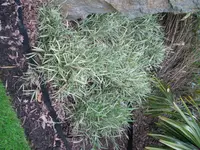
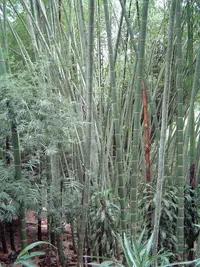
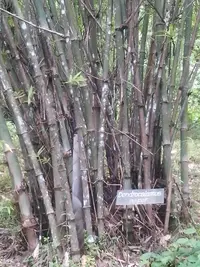
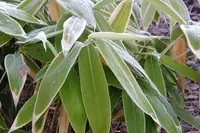
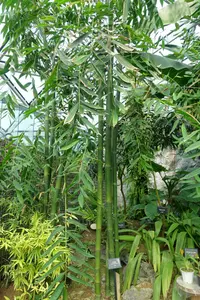
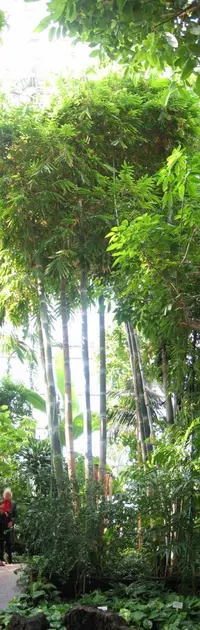
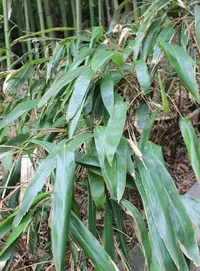
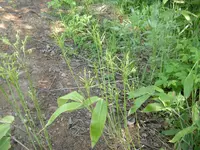
Yushania niitakayamensis is a clumping, cold-hardy bamboo native to high mountain areas of Taiwan. It forms dense thickets of upright, slender canes with fine-textured green leaves.

This species stays relatively compact compared to many running bamboos and does not spread aggressively, which makes it easier to manage in gardens and larger containers. Its natural adaptation to cool, misty habitats means it prefers consistent moisture, protection from extreme heat, and well-drained, humus-rich soil.

Gardeners who learn how to care for Yushania niitakayamensis usually find it reliable, provided it receives shelter from harsh drying winds and is not exposed to prolonged drought or waterlogging.

Main Plant Requirements

Care Difficulty

Moderate Care

Light Preference

Partial Sun

Water Requirements

Regular Water

Temperature Preference

Cold Hardy

Hardiness Zone

6–9

Soil Texture

Loamy, Silty, Organic-rich

Soil pH

Acidic (5.5–6.5), Slightly acidic (6.5–7.0)

Soil Drainage

Moist but well-drained

Fertilization

Minimal (feed rarely)

Get Personalized Care Plan

Scan your plant to receive care tips personalized for your specific plant

Available on iOS and Android

How to Care for the Yushania niitakayamensis

This mountain bamboo prefers bright, gentle light that mimics high-elevation woodland edges.

  • Provide 4–6 hours of direct morning sun with light afternoon shade, especially in hotter regions, to reduce leaf scorch risk.
  • Tolerates partial shade (as low as 2–3 hours of direct or dappled sun) but stems may grow more open and slightly taller in low light.
  • In summer, protect from strong afternoon sun with shade from trees or structures; in winter, allow more exposure to maximize light availability.

Moist but not boggy soil supports healthy growth and culm production.

  • Water when the top 3–5 cm of soil feels dry, aiming for consistently damp soil that never stays saturated for more than a few hours.
  • Use deep, infrequent soakings rather than light sprinkles; soil should drain freely, with no standing water around rhizomes to avoid root rot.
  • In hot, dry periods, increase frequency if leaves curl or fold by midday; reduce watering in cool, wet seasons to prevent yellowing and soft, rotting shoots.

This species thrives in cool to mild climates with good tolerance for winter cold.

  • Optimal growth occurs around 55–75°F (13–24°C), with strongest shoot development in cool, moist spring and early summer conditions.
  • Established plants tolerate down to about 5–10°F (-15 to -12°C); culms may defoliate in colder snaps, but underground rhizomes usually survive.
  • Handles summer heat up to about 85–90°F (29–32°C) if soil stays evenly moist and roots are mulched; prolonged higher temperatures can stress plants and slow growth.

This clumping bamboo prefers moderately moist air but mainly depends on consistent soil moisture rather than high humidity.

  • Aim for 40–60% humidity; it generally tolerates typical outdoor levels in temperate gardens.
  • Dry air combined with drought can cause leaf-tip browning and rolled, drooping leaves in Yushania niitakayamensis.
  • Increase humidity slightly by mulching the root zone and grouping plants near other vegetation rather than using misting.

This bamboo grows best in deep, loose, organic-rich soil that stays evenly moist yet drains freely.

  • Use a loamy mix with high organic matter, such as garden loam blended with compost and leaf mold, to support vigorous rhizome and root growth.
  • Ensure fast drainage by avoiding heavy, compacted clay; improve structure with coarse sand or fine bark to increase pore space and aeration.
  • Aim for slightly acidic to neutral pH, around 6.0–7.0, which supports nutrient availability and stable growth.
  • Avoid waterlogged or shallow, stony soils, which can cause root rot and weak, drought-prone culms.

This species can be grown in large outdoor containers if the pot provides enough root volume and stability.

  • Choose a wide, heavy container to counteract wind leverage on tall culms and prevent tipping.
  • Select a thick-walled pot material, such as heavy ceramic, to buffer rapid moisture and temperature swings around the root zone.
  • Fill the pot with a deep, well-draining, organic-rich mix and leave several centimeters of headspace to allow thorough top watering without overflow.

This clumping bamboo grows well in modest soils, so fertilization for Yushania niitakayamensis is helpful but not essential in average garden conditions.

  • Apply a balanced slow-release or organic granular fertilizer (around 10-10-10) once in early spring as new shoots emerge.
  • In richer soils, supplement only with a light layer of compost around the root zone instead of repeated feeding.
  • Use fertilizer at 1/2 strength compared with lawn products to avoid excessive, weak growth.
  • Stop feeding by late summer and avoid fertilizing in winter dormancy.

Pruning Yushania niitakayamensis focuses on thinning and tidying rather than shaping it heavily.

  • Carry out main pruning in late winter or early spring before strong new growth begins.
  • Remove dead, damaged, or crossing culms at the base using sharp bypass pruners or a clean saw.
  • Thin crowded stems to improve air flow and maintain an upright, open clump form.
  • Cut only a portion of older culms each year to preserve a natural look and steady regrowth.

This bamboo is most often grown in the ground, so management centers on dividing and transplanting mature clumps rather than frequent repotting.

  • Transplant or divide in early spring when new shoots are just emerging and temperatures are mild.
  • Look for tight, congested clumps, slow vigor, or roots circling a container as signs that division or a larger space is needed.
  • Lift carefully, keeping a solid root ball, then split the clump into sections with a sharp spade or saw, each with healthy culms and rhizomes.
  • Replant divisions at the same depth, water thoroughly, shade lightly for 1–2 weeks, and keep soil evenly moist to limit root stress.

Yushania niitakayamensis is most reliably propagated by division of established clumps rather than from seed.

  • Divide in early spring when soil is workable and new shoots start but have not fully elongated.
  • Use a sharp spade or saw to separate sections with several culms and a firm rhizome and root mass.
  • Replant divisions into moist, well-drained soil, firming gently to remove air pockets and watering deeply.
  • Maintain consistent moisture and partial shade for the first few weeks to encourage rapid root establishment.

This species is generally cold hardy in many temperate climates, but young Yushania niitakayamensis plants benefit from simple winter care.

  • In regions with freezing winters, apply a 5–8 cm mulch layer over the root zone in late fall.
  • Avoid heavy pruning late in the season so culms help shield new buds from wind and desiccation.
  • For container plants, move pots to a sheltered, unheated but frost-free location or insulate containers well.

Care Tips

Staggered wind protection

In exposed sites, use a low, porous windbreak such as mesh fencing or a shrub hedge on the windward side to reduce wind burn on new culms while still allowing enough airflow to prevent fungal issues.

Selective culm thinning

Each late winter, remove the oldest, weakest, or crossing culms at ground level to open the clump, which improves light penetration, air movement, and the production of stronger new shoots.

Root-zone containment

Install a vertical root barrier 45–60 cm deep around the planting area before the plant matures to keep the clump from creeping into paths or beds while still allowing normal culm production inside the boundary.

Mulch for shoot protection

Apply a 5–8 cm layer of loose organic mulch around the base in late fall to buffer soil temperature and protect developing buds so spring shoots emerge more evenly and with less frost damage.

Targeted culm support

In windy or high-traffic areas, loosely tie leaning outer culms to a discreet bamboo or metal ring support to keep the clump upright without constricting natural movement or stressing the nodes.

Common Pests and Diseases

Bamboo mites

This pest feeds on the undersides of leaves, causing fine yellow stippling, bronzing, and a dull, dusty appearance on the foliage. Symptoms include reduced vigor and premature leaf drop, especially in hot, dry conditions.

Solution

Spray the undersides of leaves with a strong stream of water 1–2 times per week to dislodge mites, then maintain higher humidity and avoid water stress to reduce outbreaks; for heavier infestations, use a horticultural oil or insecticidal soap, thoroughly coating leaf undersides and repeating every 7–10 days as needed.

Bamboo aphids

These insects cluster on young culms and leaf bases, sucking sap and causing leaf curling, distorted new growth, and sticky honeydew that can attract sooty mold. This pest is most noticeable on soft new shoots and during periods of rapid growth when growing Yushania niitakayamensis outdoors.

Solution

Prune and discard heavily infested shoots, then wash remaining stems and leaves with a firm spray of water to remove aphids and honeydew; if populations persist, apply insecticidal soap or a light horticultural oil in the early morning or evening, repeating at 7–10 day intervals until new growth appears clean.

Bamboo scale

These insects appear as small, flattened bumps on culms and leaf sheaths and can cause gradual yellowing, thinning foliage, and dieback of affected canes. This pest feeds on plant sap and often remains unnoticed until stems weaken.

Solution

Cut out and destroy heavily infested culms, then scrub remaining stems gently with a soft brush dipped in a dilute soapy water solution to remove scales; follow up with a horticultural oil spray that thoroughly wets the culms and lower leaf surfaces, repeating once or twice at 2–3 week intervals to catch newly emerged crawlers.

Bamboo mosaic virus

This disease causes irregular yellow streaks, mottling, or mosaic patterns on leaves, sometimes with distorted or narrowed blades and reduced vigor. Symptoms include patchy clumps with uneven height and chronic decline, especially in long-established plantings.

Solution

Immediately remove and discard symptomatic culms and, if infection is widespread, remove the entire clump to prevent spread; always use clean, disinfected cutting tools and avoid moving contaminated rhizomes or divisions to new sites, relying on certified virus-free planting material when establishing new plants.

Leaf spot

This disease produces small water-soaked lesions that turn brown or tan, often with darker margins, which can merge into larger dead areas on the leaves. Symptoms include premature leaf drop and a generally thin, untidy canopy in warm, wet conditions or where foliage stays damp for long periods.

Solution

Remove and dispose of affected leaves from the plant and ground, then improve air circulation by thinning crowded culms and avoiding overhead watering; in persistent cases, apply a labeled copper or chlorothalonil-based fungicide during wet periods, ensuring thorough coverage of both leaf surfaces and repeating according to label directions.

Interesting Facts

High-mountain bamboo

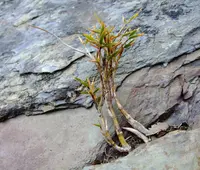
This species is native to high-elevation forests of Taiwan, where it grows on cool, moist mountain slopes rather than in lowland tropical habitats typical of many bamboos.

Clumping, not running

It forms tight clumps with short rhizomes, so it expands slowly compared with running bamboos that spread aggressively via long underground stems.

Cold-tolerant lineage

Despite being an evergreen bamboo from East Asia, it tolerates frost and occasional snow in its native range, reflecting adaptation to montane climates rather than warm lowlands.

FAQs about Yushania niitakayamensis

This species is a clumping, non‑running bamboo. It expands slowly outward from the original planting, forming tight clumps instead of long runners. Regular division or edging keeps it contained in smaller spaces if needed.

Grow Healthy Plants with Botan Care

Keep your plants happy and healthy with plant identification, disease detection, and easy care guidance.

Botan plant care app — identify plants on mobile

Explore More Plants