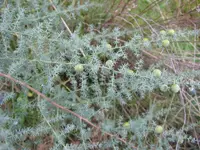
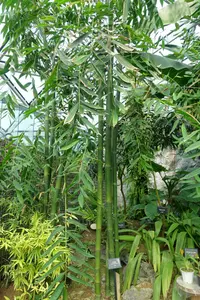
black bamboo Care (Phyllostachys nigra)

black bamboo

About black bamboo

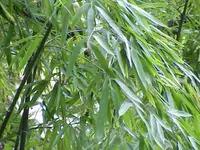
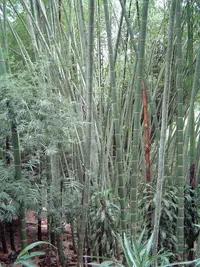
Black bamboo, Phyllostachys nigra, is a fast-growing, clumping to spreading woody grass known for its dark green canes that mature to a deep, almost black color. Its tall, upright culms and fine leaves create a dense, elegant screen or focal point in gardens.

This species is native to China but is now grown in many temperate regions as an ornamental bamboo. It can be vigorous and needs space or root containment, which influences how to care for black bamboo in residential gardens.

It generally prefers bright light, consistent moisture, and well-drained, fertile soil to maintain healthy color and steady growth.

Main Plant Requirements

Care Difficulty

Moderate Care

Light Preference

Full Sun

Water Requirements

Regular Water

Temperature Preference

Cold Hardy

Hardiness Zone

6–10

Soil Texture

Sandy, Loamy, Clay

Soil pH

Acidic (5.5–6.5), Slightly acidic (6.5–7.0)

Soil Drainage

Moist but well-drained

Fertilization

Minimal (feed rarely)

Get Personalized Care Plan

Scan your plant to receive care tips personalized for your specific plant

Available on iOS and Android

How to Care for the black bamboo

This bamboo performs best with bright outdoor light and some daily direct sun.

  • Provide 4–6 hours of direct morning sun with light afternoon shade; hot western sun can scorch leaves, especially on young black bamboo.
  • Tolerates partial shade (as low as 2–3 hours of direct or strong filtered light), but culms may be thinner and darker coloration slower to develop.
  • In summer, protect roots with mulch to reduce heat stress; in winter, full sun exposure helps support vigorous spring shoot production.

Phyllostachys nigra prefers consistently moist but not waterlogged soil.

  • Water when the top 3–5 cm of soil feels barely moist, increasing frequency during hot, windy periods when leaves begin to curl slightly.
  • Ensure soil drains freely; prolonged puddling, sour smell, or yellowing lower leaves indicate overwatering or poor drainage that can damage rhizomes.
  • In the first 1–2 growing seasons, monitor closely during dry spells; mature groves are more drought-tolerant but may shed leaves if kept too dry.

This bamboo is relatively hardy but grows best within a moderate temperature range.

  • Optimal growth occurs around 65–85°F (18–29°C); sustained warmth within this range supports strong culm and leaf production.
  • Established plants typically tolerate down to about 0°F (−18°C) with mulch over roots, though young shoots and leaves may be damaged by sudden hard frosts.
  • Handles summer heat up to about 95°F (35°C) if soil is moist and roots are shaded; prolonged extremes above this can cause leaf tip burn and rolling.

This species grows well in moderate outdoor humidity but benefits from slightly higher moisture in very dry climates.

  • Aim for 40–60% humidity; occasional dry spells are tolerated if soil moisture is consistent.
  • Crisping leaf tips and rolled or curling leaves during heat indicate humidity stress combined with drought.
  • Increase local humidity with grouped plantings, windbreaks, or a nearby water feature rather than misting foliage.

Phyllostachys nigra prefers loose, moist, well-aerated soil that never stays waterlogged.

  • Use a loamy mix with 30–50% organic matter such as compost or leaf mold to hold moisture yet stay crumbly.
  • Ensure fast drainage; on heavy clay, raise beds and blend in coarse sand or fine bark to reduce waterlogging risk.
  • Target a slightly acidic to neutral pH of 6.0–7.0, avoiding strongly alkaline or saline sites that slow growth.
  • Avoid compacted, poorly drained areas; incorporate coarse materials to improve aeration so rhizomes and roots receive enough oxygen.

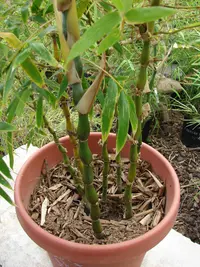
This species can be grown in containers if the pot controls its vigorous, running root system.

  • Choose a deep, heavy container that resists tipping and limits rhizome spread while still allowing strong vertical growth.
  • Line the inner sides with a durable root barrier fabric to slow rhizome escape without blocking drainage at the base.
  • Use a stable stand or position containers where wind exposure is reduced, as tall canes make the plant top-heavy.

Nutrient-rich soil supports strong culm and leaf growth in Phyllostachys nigra without heavy feeding.

  • Apply a balanced slow-release fertilizer (around 10-10-10) or well-rotted compost in early spring as new shoots emerge.
  • Feed every 6–8 weeks through late summer for container plants; once in spring is usually enough for in-ground clumps.
  • Use fertilizers at 1/2–3/4 label strength to limit salt buildup and avoid overly lush, weak growth.
  • Stop feeding in fall and winter to allow growth to harden and avoid forcing tender, frost-sensitive shoots.

Thoughtful pruning keeps Phyllostachys nigra attractive, contained, and healthier over time.

  • Plan main pruning for late winter or very early spring before new shoots elongate.
  • Remove dead, damaged, or crossing culms at ground level using clean, sharp loppers or a pruning saw.
  • Thin crowded older culms from the center to improve light and air flow, emphasizing strong, well-spaced canes.
  • Cut low side branches from selected culms to highlight the dark stems and create a more open, architectural form.

Bamboo in this group is usually grown in the ground, but container plants and young clumps sometimes need transplanting.

  • Look for roots circling the pot, cracked containers, or declining vigor as cues to repot or transplant.
  • Schedule major moves or upsizing for early spring or early fall, avoiding extreme heat or deep frost.
  • Plan on dividing or shifting container plants every 2–3 years into a slightly larger pot with free-draining, fertile soil.
  • Water thoroughly before and after moving, keep roots shaded, and trim minor root damage to reduce stress and improve recovery.

New plants of Phyllostachys nigra are most reliably produced by division rather than by seed.

  • Divide established clumps in early spring as buds swell but before new shoots fully extend.
  • Dig up a section with several healthy culms and a solid rhizome and root mass, then cut cleanly with a sharp spade or saw.
  • Replant divisions at the same depth in moist, well-drained soil, firming carefully around roots to eliminate air pockets.
  • Keep divisions consistently moist and sheltered from intense sun and wind until strong new growth appears.

This bamboo is moderately cold hardy, but some winter care improves survival and appearance in colder climates.

  • Tolerates light to moderate frost once established, though young shoots are more sensitive to freezing.
  • Apply a 5–8 cm mulch layer over the root zone in late fall, keeping material slightly back from culms.
  • For containers, move pots into a sheltered, frost-prone but not deeply freezing spot such as an unheated garage or porch.
  • In windy, exposed sites, use windbreak fabric or fencing to reduce desiccation and bending of tall culms.

Care Tips

Rhizome containment

Install a 24–30 in deep high-density polyethylene bamboo barrier, slanted outward at the top and overlapping at joints, to keep running rhizomes from invading lawns or beds while still allowing a dense grove to form.


Regular culm thinning

Each late winter, remove the oldest, thinnest, and crossing culms at ground level with a sharp pruning saw to increase light penetration, improve air flow, and encourage stronger new shoots.

Wind and snow management

In exposed sites, use discreet windbreak fencing or shrub planting and shake or gently tap snow-laden culms after heavy snowfall to reduce bending, cracking, or lodging of the canes.

Targeted shoot selection

In late spring, selectively remove weak or crowded young shoots while they are still tender, leaving well-spaced, vigorous culms so the plant can direct energy into thicker, straighter canes with better coloration.

Mulch and root insulation

Maintain a 5–8 cm layer of organic mulch over the root zone year-round, expanding it slightly each season, to stabilize soil temperature and moisture and support healthier rhizome growth when growing black bamboo outdoors.

Common Pests and Diseases

Bamboo mites

This pest feeds on the undersides of leaves, causing fine yellow stippling that can merge into bronzed or scorched-looking foliage, especially in warm, dry conditions.

Solution

Rinse leaf undersides thoroughly with a strong stream of water and remove heavily damaged leaves, then maintain higher humidity around the plant and avoid water stress; for persistent infestations, use horticultural oil or insecticidal soap directed to the undersides of leaves at 7–10 day intervals until new growth appears clean.

Bamboo aphids

These insects cluster on young shoots and culms, sucking sap and causing leaf curling, distortion, and sticky honeydew that can lead to sooty mold growth.

Solution

Prune out heavily infested shoots, then wash remaining stems and leaves with water to remove aphids and honeydew; if numbers stay high, apply insecticidal soap or a light horticultural oil, making sure to cover soft new growth, and encourage natural predators such as lady beetles in outdoor plantings.

Scale insects

This pest appears as small, rounded or elongated bumps on culms and leaves, leading to yellowing foliage, reduced vigor, and sometimes dieback of thinner canes.

Solution

Gently scrape or rub off visible scales with a cloth or soft brush, then apply horticultural oil during mild weather to smother remaining insects, repeating after 10–14 days; improve plant vigor with regular watering and balanced fertilization to help the stand recover as part of long-term Phyllostachys nigra care instructions.

Sooty mold

This disease is a black, powdery fungal growth that develops on honeydew deposits from aphids, scale, or other sap-feeding insects, giving leaves and culms a dirty, dark appearance and reducing light absorption.

Solution

Control the underlying sap-feeding insects first, then gently wash affected foliage and culms with lukewarm water and a mild soap solution to remove mold; improve air movement around the plant through careful thinning of dense culms so new leaves can photosynthesize normally.

Bamboo mosaic virus

This disease causes irregular yellow streaks or mottling on leaves, sometimes along with stunted or distorted growth, and can spread through infected planting material or contaminated tools.

Solution

Remove and destroy symptomatic culms or entire clumps that show persistent mosaic patterns, avoid dividing or sharing suspect plants, and disinfect cutting tools with 70% alcohol or a 10% bleach solution between plants; obtain new plants from reputable, virus-indexed sources to prevent introduction into a collection or grove.

Interesting Facts

Natural culm darkening

The culms of this bamboo emerge green and gradually turn deep brown to almost black over 2–3 years under strong light, due to increased deposition of dark phenolic compounds in the outer tissues.

Leptomorph rhizome habit

This species has running, or leptomorph, rhizomes that spread horizontally and can form large groves, which is why it often requires rhizome barriers or root pruning in cultivation.

Cold-tolerant subtropical bamboo

Although native to subtropical China, this bamboo is relatively cold-hardy and can tolerate winter temperatures below freezing, which allows growing black bamboo in many temperate regions when sited and managed carefully.

Botan icon

Did you know?

Historical records indicate that this species was one of the first ornamental bamboos introduced from China to Western gardens in the 19th century, valued specifically for its unusually dark culms that contrasted strongly with traditional green bamboos in landscape design.

FAQs about black bamboo

This species is a running bamboo that spreads through underground rhizomes, often quite vigorously. In typical gardens, it can become invasive without barriers or regular root pruning, so containment planning is essential when growing black bamboo.

Grow Healthy Plants with Botan Care

Keep your plants happy and healthy with plant identification, disease detection, and easy care guidance.

Botan plant care app — identify plants on mobile

Explore More Plants