grumichama Care (Eugenia brasiliensis)

grumichama

About grumichama

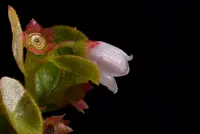
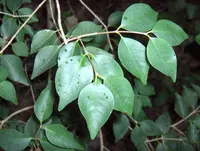
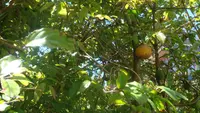
Grumichama, Eugenia brasiliensis, is a slow-growing tropical fruit tree from the Myrtaceae family, native to coastal forests of Brazil. It is often grown as a small tree or large shrub, with dense, glossy foliage and attractive white flowers.

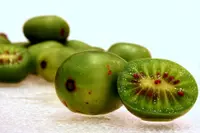
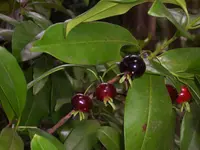
The plant produces dark red to almost black cherry-like fruits with sweet, juicy pulp. Its compact growth and decorative leaves make it suitable for warm-climate gardens and, in mild regions or containers, protected patios.

It is generally considered moderately easy to grow if kept in warm, frost-free conditions. Consistent moisture, well-drained slightly acidic soil, and bright light help care for grumichama and support flowering and fruiting.

Main Plant Requirements

Care Difficulty

Moderate Care

Light Preference

Full Sun

Water Requirements

Regular Water

Temperature Preference

Tropical / Frost Sensitive

Hardiness Zone

9–11

Soil Texture

Sandy, Loamy, Organic-rich

Soil pH

Acidic (5.5–6.5), Slightly acidic (6.5–7.0)

Soil Drainage

Moist but well-drained

Fertilization

Minimal (feed rarely)

Get Personalized Care Plan

Scan your plant to receive care tips personalized for your specific plant

Available on iOS and Android

How to Care for the grumichama

Eugenia brasiliensis prefers bright light with some protection from harsh afternoon sun to fruit and grow well.

  • Provide 4–6 hours of direct morning sun with light afternoon shade; in hotter zones, use filtered light under taller trees or a shade cloth.
  • The plant tolerates partial shade (2–4 hours of direct sun), but fruiting and flowering decline if light stays too low for long periods.
  • Strong summer sun can scorch leaves, especially on young grumichama plants; introduce more sun gradually in spring to harden foliage.

Eugenia brasiliensis performs best in evenly moist, well-drained soil that never stays waterlogged.

  • Water when the top 3–5 cm of soil feels dry, applying a slow, deep soak so moisture reaches the root zone without flooding the area.
  • In warm growing seasons, expect faster drying and more frequent watering; in cool or rainy periods, let the soil dry slightly deeper between waterings.
  • Wilting, dull leaves, and dry, crisp tips suggest underwatering, while yellowing leaves, soft new growth, and sour-smelling, soggy soil indicate overwatering or poor drainage.

This species prefers warm, frost-free conditions and reacts poorly to sudden cold snaps.

  • Aim for 65–85°F (18–29°C) for steady growth; flowering and fruit set are most reliable toward the warmer end of this range.
  • Short drops to about 32°F (0°C) may be survived by mature plants, but young growth is easily damaged and repeated frosts can kill branches.
  • In hot spells above 95°F (35°C), provide extra mulch and some afternoon shade, and avoid heat stress by not letting the root zone dry out completely.

This species benefits from moderate humidity but usually adapts to typical household levels.

  • Aim for 40–60% humidity to support steady growth and reduce leaf edge browning.
  • Tolerates short dry-air periods, but prolonged humidity below 30% may cause crispy tips and slower growth.
  • Increase humidity with a nearby open tray of water and stones, grouping plants, or a room humidifier rather than misting leaves.

Eugenia brasiliensis prefers deep, slightly acidic, moisture-retentive yet free-draining soil.

  • Use a loamy mix of roughly 50% compost, 30% pine bark fines, and 20% perlite or coarse sand for structure and drainage.
  • Keep pH around 5.5–6.5; add elemental sulfur or acidic composted bark if the native soil is very alkaline.
  • Ensure the planting site or container drains well, since prolonged waterlogging promotes root rot and nutrient imbalances.
  • Improve aeration in heavy or clay soil by incorporating coarse sand, fine gravel, or bark chips through the top 20–30 cm.

This species can be grown successfully in containers for many years with careful moisture and root-space management.

  • Choose a tall, heavy container to stabilize the woody canopy and reduce tipping in wind or on balconies.
  • Select a pot material with moderate moisture retention, such as thick-walled terracotta, to buffer swings between wet and dry soil.
  • Allow at least 30–40 cm depth and width so the woody root system can develop without circling tightly against the pot walls.

This subtropical fruit tree benefits from modest, consistent feeding during active growth for healthy foliage and fruit set.

  • Apply a balanced slow-release fertilizer (around 10-10-10) at the start of spring and midsummer, following label rates.
  • Supplement with a thin layer of compost over the root zone once a year to support soil life and structure when caring for grumichama.
  • Use half-strength liquid balanced fertilizer for container plants every 4–6 weeks during the growing season.
  • Stop feeding in late summer to early fall so new growth on Eugenia brasiliensis can harden before cool weather.

Thoughtful pruning keeps Eugenia brasiliensis compact, productive, and easy to harvest.

  • Carry out structural pruning in late winter to early spring before strong new growth starts.
  • Remove dead, diseased, crossing, or inward-growing branches to improve light and airflow in the canopy.
  • Shorten overly long shoots to maintain a balanced, bushy shape and encourage fruiting wood.
  • Use clean, sharp bypass pruners and make smooth cuts just above outward-facing buds or branch junctions.

This species is often grown in the ground but can spend several years in containers before planting out.

  • Plan major transplanting or upsizing for late winter to early spring when growth is just resuming.
  • Check for roots circling the pot, pushing from drainage holes, or reduced vigor as signs it needs more space.
  • Move to a container 1–2 in wider or a prepared ground hole with well-drained soil at the same planting depth.
  • Gently loosen circling roots, water thoroughly after planting, and shade from intense sun for 7–10 days to limit transplant shock.

Eugenia brasiliensis is commonly propagated from fresh seed, with cuttings used less often by home growers.

  • Sow fresh, fully ripe seeds in spring in a moist, free-draining mix kept around 70–80°F.
  • Clean the pulp from seeds, sow just below the surface, and maintain steady moisture without waterlogging.
  • Provide bright, indirect light and patience, as germination can take several weeks to a few months.
  • Semi-hardwood cuttings taken in late spring to summer root best with rooting hormone, bottom heat, and high humidity.

This subtropical tree dislikes hard frost and benefits from basic winter protection in cooler climates.

  • In ground, add 5–8 cm of organic mulch around the root zone, keeping it slightly away from the trunk.
  • In regions with frost below about 28°F, wrap young trunks with breathable frost cloth or burlap on the coldest nights.
  • Move container plants indoors or into a greenhouse before night temperatures fall consistently below 40°F, giving bright light and reduced watering.

Care Tips

Fruit set support

Shake or gently tap flowering branches on still days to improve pollen transfer and fruit set, especially in sheltered or indoor locations where insect activity is low.

Salt wind protection

In coastal areas, place the plant behind a windbreak fence or taller shrubs to reduce salt-laden wind, which can scorch foliage and reduce flowering.

Root zone mulching

Maintain a 5–8 cm ring of coarse organic mulch over the root zone, kept a few cm away from the trunk, to stabilize soil temperature and encourage fine feeder roots that support heavier cropping.

Controlled canopy training

From a young age, select 3–5 main scaffold branches and remove steep, crossing, or very low shoots to create an open, well-lit canopy that improves air flow and makes harvesting easier.

Timed harvest checks

Check ripening fruit at least once daily during peak season and harvest as soon as berries color fully and soften slightly, which reduces losses to birds and ensures the best flavor when growing grumichama.

Common Pests and Diseases

Caribbean fruit fly

This pest lays eggs inside developing grumichama fruits, where larvae feed on the pulp and cause internal breakdown and premature fruit drop.

Solution

Collect and destroy infested or fallen fruits promptly, use fine insect netting or bag individual fruits to prevent egg‑laying, and place protein or yeast-based bait traps around trees to reduce adult fly populations; in high-pressure outdoor areas, coordinated monitoring and sanitation are the most effective long-term Eugenia brasiliensis care strategy.

Fruit-piercing moth

This pest uses a strong proboscis to puncture ripe or ripening fruits, causing soft, water-soaked spots that often lead to secondary fungal infections and rapid rotting.

Solution

Harvest fruits as they ripen, remove and destroy damaged fruits, and use light management such as turning off nearby night lighting that attracts moths; in outdoor orchards, consider fruit bagging or fine mesh covers on smaller trees to physically block feeding.

Myrtle rust

This disease produces yellow to orange powdery pustules on young leaves, shoots, and sometimes fruit stalks, leading to leaf distortion, dieback, and reduced vigor in susceptible Eugenia species.

Solution

Prune out and discard infected shoots in household trash (not compost), avoid overhead watering to keep foliage dry, and space plants to improve airflow; in regions where myrtle rust is established, monitor new growth regularly and, for outdoor plantings, select more sheltered microclimates and avoid moving infected plant material.

Anthracnose

This disease causes dark, sunken lesions on young leaves, twigs, flowers, and fruit, which may crack or ooze and can lead to fruit drop and reduced flowering.

Solution

Remove and destroy affected leaves and fruits, keep the canopy thinned to improve air circulation, avoid wetting foliage when watering, and apply a copper-based fungicide during prolonged wet, warm weather if the plant is grown outdoors in high-risk climates.

Scale insects

These insects appear as small, dome-shaped or flat bumps on stems and leaf undersides, sucking sap and causing yellowing leaves, sticky honeydew, and sooty mold growth.

Solution

Wipe or gently scrape off scales with a soft cloth or cotton swab dipped in alcohol, prune heavily infested twigs, and encourage natural predators outdoors; for potted or grumichama indoor care, repeat thorough leaf inspections and washing with mild soapy water over several weeks to disrupt the life cycle.

Interesting Facts

Cherry-like fruit flavor

The dark purple berries of this species are often compared to a mix of cherry and grape, and are eaten fresh or used in jams, jellies, and liqueurs in southern Brazil.

Myrtle family features

As a member of the Myrtaceae, this plant has aromatic leaves rich in essential oils and produces flowers with many stamens, which are highly attractive to pollinating insects.

Adapted to coastal soils

In its native range in Brazil, this species is naturally found in coastal and lowland Atlantic Forest, where it tolerates sandy, slightly saline, and periodically waterlogged soils better than many other fruit trees.

Botan icon

Did you know?

This species is valued in restoration projects in the Brazilian Atlantic Forest because its fleshy fruits are eaten by many birds, which then disperse the seeds and help reconnect fragmented forest habitats.

FAQs about grumichama

Yes, this species grows well in large containers with good drainage. Use a deep pot, prune lightly to manage size, and refresh the top layer of soil every 1–2 years to maintain vigor.

Grow Healthy Plants with Botan Care

Keep your plants happy and healthy with plant identification, disease detection, and easy care guidance.

Botan plant care app — identify plants on mobile

Explore More Plants