Chilean bellflower Care (Lapageria rosea)

Chilean bellflower

About Chilean bellflower

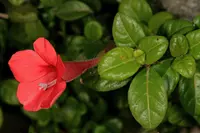
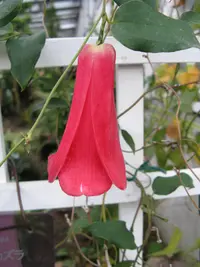
The Chilean bellflower, Lapageria rosea, is a woody, climbing vine grown mainly for its striking, waxy, bell-shaped flowers. It is the national flower of Chile and naturally occurs in cool, humid coastal forests. Plants produce thick, evergreen leaves and long, twining stems that need a support to climb. The large pendant flowers, usually deep rose to red, appear along the stems and stand out against the dark foliage. This species can be slow to establish and is considered moderately challenging, mainly due to its need for cool roots, consistent moisture, and good drainage. Shaded, sheltered positions and mild climates make it easier to care for Chilean bellflower.

Main Plant Requirements

Care Difficulty

Hard Care

Light Preference

Partial Shade

Water Requirements

Keep Soil Moist

Temperature Preference

Cool Climate

Hardiness Zone

9–10

Soil Texture

Loamy, Peaty, Organic-rich

Soil pH

Strongly acidic (4.5–5.5), Acidic (5.5–6.5)

Soil Drainage

Moist but well-drained

Fertilization

Light (every 4–6 weeks)

Get Personalized Care Plan

Scan your plant to receive care tips personalized for your specific plant

Available on iOS and Android

How to Care for the Chilean bellflower

This climbing shrub prefers bright, gentle light that mimics a cool, forest edge environment.

  • Provide 2–4 hours of soft morning sun with bright, filtered light for the rest of the day, such as under high tree canopy or a shade cloth.
  • Protect Chilean bellflower from harsh midday and afternoon sun, which can scorch leaves and fade flowers, especially in summer or hotter climates.
  • In winter, allow slightly more direct light where possible, while in summer increase shade to prevent leaf scorch and excessive drying of the soil.

This plant prefers evenly moist, cool soil that never becomes waterlogged or bone dry.

  • Water when the top 2–3 cm of soil feels dry, applying enough to moisten the root zone, then let excess drain away fully.
  • Use a loose, well-draining mix rich in organic matter so Lapageria rosea roots stay moist but not saturated, reducing risk of root rot.
  • In cooler months, extend the interval between waterings; watch for limp, dull leaves as a sign of underwatering and yellowing, mushy leaves as a sign of overwatering.

This species thrives in cool, mild conditions and dislikes both frost and intense heat.

  • Aim for daytime temperatures of 55–70°F (13–21°C) and slightly cooler nights, which support steady growth and flowering.
  • Protect plants from frost below 30°F (-1°C); brief light frosts may be tolerated, but repeated or hard freezes can damage stems and buds.
  • In hot spells above 80°F (27°C), provide extra shade, mulch the root zone, and avoid planting in heat-reflective sites near walls or pavement.

This species prefers cool, consistently moist air and reacts quickly to dry indoor conditions.

  • Aim for 60–80% humidity; prolonged levels below 40% cause leaf edges to brown and buds to dry.
  • In dry homes, group plants, use a pebble tray with water below the pot base, or run a small humidifier nearby.
  • Watch for curled, leathery leaves and stalled flower buds as signs of low humidity stress in Chilean bellflower.

Lapageria rosea needs cool, moisture-retentive but sharply draining soil that mimics a humus-rich forest floor.

  • Use a loose, airy mix such as 40% fine bark, 30% peat or coco coir, and 30% perlite or pumice.
  • Aim for slightly acidic soil, pH 5.5–6.5, which supports nutrient uptake and root health.
  • Ensure rapid drainage; water should pass through in seconds and never leave the mix waterlogged or sticky.
  • Avoid heavy clay, compacted garden soil, or mixes that crust on top, as these limit aeration and promote root rot.

This species grows well in containers when root depth, drainage, and vine support are managed carefully.

  • Choose a tall, narrow pot that allows a deep, cool root run while keeping the crown near the surface for better aeration.
  • Select a heavier material such as ceramic or clay to stabilize the climbing vines and reduce tipping in windy spots.
  • Elevate the container slightly on pot feet or bricks so drainage holes stay clear and excess water exits quickly.

Nutrient-sensitive Lapageria rosea benefits from light, consistent feeding rather than heavy applications.

  • Use a balanced, dilute liquid fertilizer (around 10-10-10) at 1/4–1/2 strength or a mild slow-release formulation in spring.
  • Feed every 4–6 weeks during active growth while growing Chilean bellflower, avoiding high-phosphorus bloom boosters.
  • Stop or greatly reduce feeding in late fall and winter when growth slows.
  • Rinse the potting mix with plain water occasionally to prevent salt buildup around the roots.

Pruning Lapageria rosea is mainly about gentle tidying and guiding the vine rather than heavy cutting.

  • Carry out light pruning in late winter or early spring before strong new growth starts.
  • Remove dead, damaged, or weak stems with clean, sharp pruners to limit disease entry.
  • Thin crowded or tangled shoots to improve air flow and light penetration, encouraging better flowering.
  • Shorten overly long stems only where needed to manage size and support the desired climbing shape.

Root-sensitive Lapageria rosea prefers infrequent repotting and careful handling of its fine roots.

  • Check for roots circling the container, poor drainage, or slowed growth as signs repotting is needed, usually every 3–4 years.
  • Plan repotting or transplanting for late winter to early spring, just before vigorous growth resumes.
  • Shift into a slightly larger pot with a rich, airy, well-drained mix, keeping the original root ball as intact as possible.
  • Water thoroughly after moving, shade from strong sun, and maintain even moisture to reduce transplant shock.

Propagation of Lapageria rosea is possible but slow, especially from seed.

  • Use semi-ripe stem cuttings in late spring or summer, each with 2–3 nodes, placed in a moist, free-draining medium.
  • Provide bottom heat around 68–72°F, high humidity, and bright, indirect light to support rooting.
  • Sow fresh seeds as soon as available, since older seed often loses viability and germinates unevenly.
  • Avoid disturbing young rooted cuttings or seedlings; pot on carefully once roots fill the small container.

Cool, frost-free winters suit Lapageria rosea, but freezing temperatures can damage the plant.

  • In-ground plants tolerate light frost only; add a 5–8 cm mulch layer to insulate the root zone in cold areas.
  • Shield stems from hard freezes with horticultural fleece or by growing against a sheltered wall.
  • Move container plants indoors or into an unheated greenhouse before temperatures drop below 32°F.
  • Keep winter soil slightly moist, not waterlogged, and give bright, indirect light to prevent decline.

Care Tips

Shaded root mulch

Keep the root zone cool by applying a 5–8 cm layer of fine bark or leaf mold around the base, but leave a small gap around the stem to prevent rot.

Vertical support training

Provide narrow trellis wires, mesh, or a shrub framework and gently weave new shoots through as they extend, rather than tying tightly, to support heavy flowers without stem damage.

Protective pot sleeves

If grown in containers, place the nursery pot inside a slightly larger decorative cachepot or wooden box to insulate the roots from heat and sudden temperature swings.

Acid-check routine

Test the potting mix or bed annually with a simple pH kit and top-dress with fine pine bark or ericaceous compost if pH drifts above 6.5 to maintain good nutrient availability.

Cool-season bud protection

When frost is forecast during bud formation, drape a breathable frost cloth over the vine at night and remove it in the morning, which can greatly improve flowering success when growing Chilean bellflower.

Common Pests and Diseases

Glasshouse red spider mite

This pest causes fine mottling, loss of leaf gloss, and eventual yellowing and drop, especially in warm, dry conditions or under glass. Symptoms include very fine webbing on the undersides of leaves and reduced flowering.

Solution

Increase humidity around the plant, regularly hose or shower the foliage (including leaf undersides), and isolate affected plants. For persistent infestations, use a targeted miticide or horticultural soap labeled for spider mites, repeating applications as directed while keeping the plant cooler and out of hot, stagnant air.

Soft scale

These insects appear as small, dome-shaped bumps on stems and leaf midribs, excreting sticky honeydew that can lead to sooty mold on the foliage. This pest weakens the vine, reducing vigor and flower production over time.

Solution

Manually remove visible scale with a cotton swab dipped in alcohol or by gently scraping with a fingernail, then wash the plant with lukewarm soapy water and rinse well. For heavier infestations, apply a systemic insecticide or horticultural oil during the crawler stage, ensuring full coverage of stems and leaf undersides.

Botrytis blight

This disease causes soft, brown lesions on flowers, buds, and tender shoots, often covered with a gray, fuzzy mold in cool, damp conditions. Symptoms include bud drop, disfigured flowers, and dieback of new growth.

Solution

Remove and discard all affected flowers, buds, and stems and improve air circulation by spacing plants and avoiding overhead watering. Keep foliage dry, ventilate greenhouses or conservatories, and if needed use a fungicide labeled for botrytis on ornamentals, applied preventively during prolonged cool, humid weather.

Leaf scorch

Symptoms include brown, crispy leaf margins and tips, often on the sunniest or windiest side of the plant, while veins may remain green. This problem is linked to excessive sun, reflected heat, or low humidity rather than pathogens.

Solution

Provide bright but filtered light or light shade, especially in hot afternoon periods, and protect the plant from dry, hot winds. Maintain even soil moisture with a cool, organic mulch and avoid letting the root zone dry out completely, while ensuring the soil still drains well.

Chlorosis from high pH

Symptoms include yellowing between the veins of newer leaves while veins stay green, and overall poor growth, particularly in hard-water areas or alkaline soils. This issue reflects reduced iron availability rather than an infectious disease.

Solution

Grow Lapageria rosea in an acidic, humus-rich mix and irrigate with rainwater or filtered water where tap water is very hard. For existing chlorosis, apply a chelated iron product according to label directions and top-dress with acidic organic materials such as pine bark or leaf mold to help maintain a lower pH over time.

Interesting Facts

National flower of Chile

This species is the national flower of Chile and is strongly associated with the temperate rainforests of south-central Chile, where it grows as a climbing understory plant in cool, humid, shaded habitats.

Specialized hummingbird pollination

Its thick, waxy, tubular flowers are adapted to pollination by long-billed hummingbirds, which can reach the nectar deep inside the hanging bells while transferring pollen between plants.

Slow-growing woody climber

It forms a woody, twining vine that grows slowly and can live for many years, often taking several seasons to flower but then producing showy blooms over an extended period once established.

Botan icon

Did you know?

Historically, this species was highly prized in European horticulture after its introduction in the 19th century, to the point that plants and seeds were traded at very high prices and grown in heated conservatories as rare collector’s specimens.

FAQs about Chilean bellflower

This species is a twining climber. Young shoots naturally wind around nearby supports rather than creeping along the ground. Without something to climb, growth becomes tangled and stems may flop, reducing airflow and flowering quality.

Grow Healthy Plants with Botan Care

Keep your plants happy and healthy with plant identification, disease detection, and easy care guidance.

Botan plant care app — identify plants on mobile

Explore More Plants