Provide sturdy trellis
Install a strong, 1.5–2 m trellis or wire support before shoots emerge in spring so vines can climb immediately and avoid tangling or stem breakage later in the season.

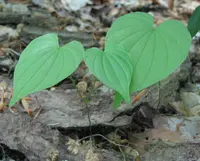
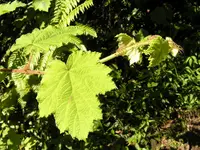
Wild yam, Dioscorea villosa, is a hardy, twining vine native to eastern North America. It grows from a knobby underground rhizome and climbs using slender, wiry stems. Leaves are typically heart-shaped with pronounced veins, giving the plant a distinct, textured look in woodland or shaded garden settings.
In nature it occurs in moist forests, thickets, and along stream banks, where soils are loose and well drained. It is generally resilient once established but can be slow to start, so gardeners should be patient when learning how to care for wild yam. The plant prefers partial shade, consistent moisture, and humus-rich soil that does not stay waterlogged.

Care Difficulty
Moderate Care

Light Preference
Partial Shade

Water Requirements
Moderate Water

Temperature Preference
Warm Climate

Hardiness Zone
5–9

Soil Texture
Loamy, Silty, Organic-rich

Soil pH
Acidic (5.5–6.5), Slightly acidic (6.5–7.0)

Soil Drainage
Moist but well-drained

Fertilization
Minimal (feed rarely)
Scan your plant to receive care tips personalized for your specific plant
Available on iOS and Android
Dioscorea villosa prefers bright exposure with some protection from intense midday sun.
Dioscorea villosa prefers evenly moist but not waterlogged soil during the active growing season.
This species is a hardy temperate vine that tolerates cool winters and warm summers.
This species manages well in typical indoor humidity and only rarely needs adjustment.
This species prefers loose, deep, well‑drained soil that allows its tuberous roots to expand easily.
This species can grow in containers if the pot is deep and allows the underground tubers to spread downward.
Dioscorea villosa grows naturally in lean soils, so fertilization should stay very light and targeted.
Dioscorea villosa needs only minimal pruning to keep growth tidy and healthy.
This species is more often transplanted in-ground than repotted, as it forms a deep, sensitive root system.
Propagation of Dioscorea villosa is possible but slow, so it is usually done on a small scale.
This hardy wild yam tolerates normal winters in much of its native range and needs only modest attention.

Plant Health Check
Not sure what's wrong with your plant? Check your plant's health inside the app.
This species is a twining vine native to eastern North America, typically found in moist woods, thickets, and along stream banks where it climbs on shrubs and small trees.
It is dioecious, meaning male and female flowers occur on different plants, so only female vines develop the small dry seed capsules after pollination by insects.
The plant forms elongated, knobby rhizomes and roots that store starches, helping it survive winter dormancy and resprout vigorously each spring.

The small greenish-yellow flowers of wild yam produce a noticeable sweet fragrance at close range, which attracts a variety of small pollinating insects despite the blossoms being visually inconspicuous.
This species spreads slowly by underground rhizomes and seed, but is not usually aggressive in managed gardens. It can wander over time, so periodic rhizome trimming and removing unwanted shoots keeps it in bounds.
Keep your plants happy and healthy with plant identification, disease detection, and easy care guidance.