Lemon Thyme Care (Thymus × citriodorus)

Lemon Thyme

About Lemon Thyme

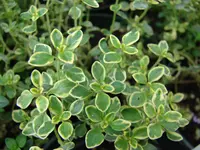
Lemon thyme (Thymus × citriodorus) is a small, woody, evergreen herb in the mint family, grown mainly for its citrus-scented foliage. It forms low, spreading mats or small mounds with tiny, oval leaves that release a strong lemon aroma when brushed. Many forms have variegated or golden leaves that add color to containers and garden edges. This plant originates from cultivated hybrids in Europe rather than a single wild habitat. It suits beginners because it is drought-tolerant once established and copes well with lean, well-drained soil. Full sun, light but regular pruning, and good drainage make it relatively simple to care for Lemon Thyme.

Main Plant Requirements

Care Difficulty

Easy Care

Light Preference

Full Sun

Water Requirements

Low Water

Temperature Preference

Cold Hardy

Hardiness Zone

5–9

Soil Texture

Sandy, Loamy, Rocky

Soil pH

Slightly acidic (6.5–7.0), Slightly alkaline (7.0–7.5)

Soil Drainage

Well-drained

Fertilization

Minimal (feed rarely)

Get Personalized Care Plan

Scan your plant to receive care tips personalized for your specific plant

Available on iOS and Android

How to Care for the Lemon Thyme

This sun-loving Mediterranean herb needs strong light to stay compact, fragrant, and healthy.

  • Provide 6–8 hours of direct sun daily; full sun is best, with morning and midday light ideal in most climates.
  • Tolerates light afternoon shade, especially in hot regions; in deep shade, stems elongate, foliage thins, and flavor declines.
  • Outdoors, place Lemon Thyme where winter shade does not block low sun; in low-light seasons, avoid crowding by taller plants.

This woody herb prefers slightly dry conditions and is sensitive to excess moisture around the roots.

  • Water only when the top 3–5 cm of soil are fully dry, then soak thoroughly and let excess drain away.
  • Use sharply drained soil; pooling water, sour smell, or yellowing, limp leaves indicate overwatering and possible root rot.
  • In cool or rainy seasons, watering may be rare; in hot, windy periods, monitor foliage for wilting or dull color as a cue to water.

This aromatic thyme is moderately hardy and copes well with typical temperate outdoor conditions when drainage is good.

  • Optimal growth occurs around 65–80°F (18–27°C), where foliage stays dense and aromatic.
  • Established plants tolerate brief drops to about 10–15°F (-12–-9°C), but repeated freeze–thaw in wet soil increases winter loss.
  • In summer, it handles up to about 90–95°F (32–35°C) if soil is not waterlogged; mulch lightly in winter, but avoid covering the crown.

This aromatic herb tolerates a wide humidity range and usually does not need special humidity control indoors.

This Mediterranean shrub prefers lean, fast-draining soil that dries slightly between waterings.

  • Use a sandy or sandy-loam mix with low to moderate organic matter to mimic rocky, hillside conditions.
  • Blend roughly 50–60% potting mix with 40–50% mineral material such as coarse sand, perlite, or small grit for sharp drainage.
  • Maintain slightly alkaline to neutral pH around 6.8–7.5; add a small amount of garden lime if soil is very acidic.
  • Avoid heavy, compacted, or water-retentive mixes containing a lot of peat, which reduce aeration and promote root rot in Thymus × citriodorus.

This species is well suited to container growing on sunny patios, balconies, or steps.

  • Choose a wide, shallow pot so the spreading root system can occupy the upper soil layer without staying waterlogged.
  • Select unglazed terracotta if extra evaporation is needed in wet or cool climates, as it helps prevent persistent moisture around the roots.
  • Raise the pot slightly on feet or bricks outdoors so drainage holes stay clear and excess water escapes quickly after rain.

Thymus × citriodorus is light-feeding and performs best in lean, well-drained soil with minimal added nutrients.

  • Use a light top-dressing of compost or a low-dose balanced NPK fertilizer (for example 5-5-5) in early spring to support new growth.
  • Apply at half the label-recommended strength to avoid lush, weak foliage and reduced essential oil concentration.
  • Feed only 1–2 times during the active growing season, then stop feeding in late summer.
  • Avoid fertilizing in winter dormancy; excess nutrients in cool, low-light conditions can stress roots and promote rot.

Pruning supports compact, leafy growth and maintains flavor intensity in Thymus × citriodorus.

  • Carry out main pruning in late spring after frost risk, then light shaping trims after each flowering flush.
  • Remove dead, woody, or damaged stems and thin congested sections to improve airflow and reduce fungal issues.
  • Shear back only the leafy tips, leaving some green on each stem to encourage branching and dense mats.
  • Use clean, sharp scissors or snips; avoid cutting into old, leafless wood that may not reshoot well.

This thyme grows slowly and prefers stable conditions, so transplanting is only needed when root-bound or overcrowded.

  • Check containers every 2–3 years; repot when roots circle the pot, drainage slows, or growth becomes stunted.
  • Plan repotting or outdoor transplanting for spring, once soil is workable and extended frost has passed.
  • Choose a shallow, slightly larger container with very free-draining mix, handling the root ball gently to limit disturbance.
  • Water lightly after moving, keep in bright but not harsh sun for a few days, and resume normal watering once growth resumes.

Thymus × citriodorus is commonly propagated to refresh plants and maintain preferred flavor and growth habit.

  • Take 5–8 cm softwood cuttings in late spring or early summer, removing lower leaves and inserting into sandy, well-drained mix.
  • Provide bright, indirect light and moderate moisture; cuttings root best in warm conditions around 65–75°F.
  • Divide established clumps in spring, replanting small sections with healthy roots and green shoots at the same depth.
  • Seeds are less reliable for named forms; layering low stems into soil can create rooted offshoots over a season.

This thyme is moderately cold hardy but benefits from simple winter care in colder climates.

  • In USDA zones around 5–7, plants usually overwinter outdoors if soil drains well and does not stay waterlogged.
  • Apply a light, dry mulch such as gravel or coarse bark around (not on top of) crowns to insulate roots.
  • For containers, move pots to a sheltered, unheated but frost-sheltered spot, preventing waterlogged substrate.
  • Avoid heavy pruning late in fall; allow stems to provide some natural protection until spring growth resumes.

Care Tips

Harvest To Shape

Pinch or cut non-woody tips regularly and use them in the kitchen to keep plants compact, encourage bushy regrowth, and delay lignification (hardening of stems).

Renew Old Clumps

Every 3–4 years, lift tired, woody plants in early spring, divide the healthiest outer sections with roots attached, and replant them to maintain vigorous, aromatic growth when growing Lemon Thyme.

Improve Winter Drainage

In regions with wet winters, slightly mound the planting area or raise containers on pot feet so excess water clears quickly and roots do not rot in cold, saturated soil.

Control Self-Seeding

If you do not want volunteer seedlings, shear off most spent flower heads right after blooming while leaving some foliage to continue photosynthesis and maintain plant strength.

Use Reflective Surfaces

In cooler or short-summer climates, place containers near light-colored walls, stone, or gravel that reflect heat and light, helping plants produce stronger growth and more concentrated essential oils.

Common Pests and Diseases

Spider mites

This pest causes tiny pale speckling on leaves, fine webbing in dry conditions, and overall loss of vigor, especially in hot, dry spots. Symptoms include leaves looking dull and dusty and sometimes dropping early.

Solution

Rinse foliage thoroughly with a strong but controlled stream of water, focusing on the undersides of leaves, then repeat every few days until activity drops. Increase humidity around the plant slightly, improve airflow, and if needed use an insecticidal soap or horticultural oil labeled for mites, applied in the evening to avoid leaf burn.

Aphids

These insects cluster on tender stems and new growth, sucking sap and causing distortion, sticky honeydew, and sometimes sooty mold on leaves. Symptoms include curled or stunted tips and presence of small green, black, or brown insects.

Solution

Remove heavily infested shoot tips and wash the plant with lukewarm water to dislodge colonies. Follow up with insecticidal soap, making sure to coat stems and the undersides of leaves, and repeat weekly until aphids are no longer visible while also controlling nearby ant activity that may protect them.

Leaf spot

This disease produces small brown, tan, or gray spots on leaves that may enlarge, merge, and cause premature leaf drop in humid or crowded conditions. Symptoms include patchy foliage and thinning on the lower parts of the plant.

Solution

Prune out and discard affected stems, avoiding overhead watering and watering only at the base to keep foliage dry. Improve spacing and airflow, then, if needed, apply a copper- or sulfur-based fungicide labeled for herbs, following the label carefully and avoiding harvest until the product’s stated interval has passed.

Powdery mildew

This disease appears as white, powdery patches on leaves and stems, often starting on shaded or crowded sections of the plant. Symptoms include distorted new growth and reduced aroma intensity if the infestation is heavy.

Solution

Thin dense growth to increase light and airflow and avoid wetting leaves when watering. Remove heavily affected shoots and, if pressure remains high, treat with a potassium bicarbonate, sulfur, or horticultural oil product labeled for powdery mildew on herbs, applied in cool parts of the day to reduce leaf stress.

Root-knot nematodes

These microscopic worms attack roots in sandy or previously infested soils, causing galled or knotted roots and poor top growth. Symptoms include stunting, yellowing, reduced aroma, and failure to respond well to normal watering and feeding.

Solution

Discard severely affected plants and avoid replanting thyme in the same soil, instead rotating with non-host crops or using raised beds with fresh, clean soil. For mild cases, improve soil organic matter, encourage beneficial soil life, and use resistant or grafted plants in future plantings if available, as part of long-term Thymus × citriodorus care instructions.

Interesting Facts

Hybrid with lemon scent

This plant is a natural hybrid between common thyme (Thymus vulgaris) and broad-leaved thyme (Thymus pulegioides), which gives it a distinct lemon aroma from essential oils rich in citral and other lemon-scented compounds.

Highly variable cultivars

Lemon thyme includes a group of ornamental and culinary cultivars, such as golden, variegated, and silver-edged forms, all sharing the citrus scent but differing in leaf color, growth habit, and vigor.

Aromatic groundcover use

Because it stays low and spreads, this thyme is often used as a fragrant groundcover in sunny, well-drained spots, releasing more lemon scent when its leaves are brushed or lightly crushed.

Botan icon

Did you know?

In culinary use, lemon thyme is valued for providing a stable citrus-like flavor that tolerates cooking heat better than true lemon zest, so chefs often add it to long-simmered dishes where volatile lemon aromas from citrus peel would normally fade more quickly.

FAQs about Lemon Thyme

Brown leaves usually result from underwatering, excess heat, or past overwatering that damaged roots. Check soil moisture, ensure good drainage, trim dead tips, and avoid frequent light sips of water that never reach deeper roots.

Grow Healthy Plants with Botan Care

Keep your plants happy and healthy with plant identification, disease detection, and easy care guidance.

Botan plant care app — identify plants on mobile

Explore More Plants