Control Underground Spread
Install a 20–30 cm deep root barrier or plant in a bottomless container sunk in the ground if you need to confine its spreading rhizomes in smaller gardens or mixed borders.

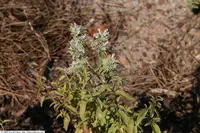
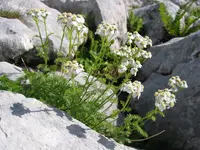
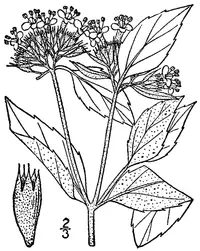
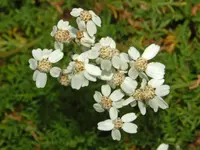
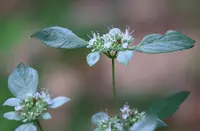
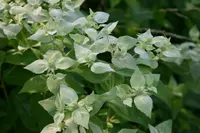
Appalachian mountainmint, Pycnanthemum flexuosum, is a perennial herb in the mint family known for its aromatic foliage and dense clusters of small, pale flowers. It forms upright, clumping stems with narrow leaves that release a strong minty scent when brushed or crushed.
This species is native to the southeastern United States, where it grows in open woodlands, sunny clearings, and well-drained roadsides. Its toughness, drought tolerance once established, and resistance to many common pests make it relatively straightforward to care for Appalachian mountainmint.
The plant favors full sun to light shade, with moderately moist, well-drained soil, and attracts a wide range of pollinators, especially bees and butterflies.

Care Difficulty
Easy Care

Light Preference
Full Sun

Water Requirements
Moderate Water

Temperature Preference
Cold Hardy

Hardiness Zone
5–9

Soil Texture
Sandy, Loamy, Rocky

Soil pH
Acidic (5.5–6.5), Slightly acidic (6.5–7.0)

Soil Drainage
Well-drained

Fertilization
Minimal (feed rarely)
Scan your plant to receive care tips personalized for your specific plant
Available on iOS and Android
This sun-loving mint relative thrives in open, bright sites with moderate heat.
This species prefers evenly moist, well-drained soil but does not like to stay saturated.
This hardy perennial tolerates a wide temperature range once established outdoors.
This species is adapted to outdoor conditions and does not need elevated humidity beyond typical temperate climates.
Pycnanthemum flexuosum prefers moderately moist, well-aerated mineral soils that do not stay waterlogged.
This species can be grown in containers if the pot supports its spreading root system and consistent outdoor moisture.
Pycnanthemum flexuosum is a low-demand native that usually needs little or no fertilizer in average garden soil.
Pruning Pycnanthemum flexuosum is mainly used to keep clumps dense and flowering well.
This species is better suited to garden beds than long-term container culture, so transplanting is more common than repotting.
Pycnanthemum flexuosum is commonly propagated by division and stem cuttings for consistent traits.
This Appalachian mountainmint is cold hardy in much of the US and usually needs minimal winter care in the ground.

Plant Health Check
Not sure what's wrong with your plant? Check your plant's health inside the app.
This mint-relative is native to the southeastern US Coastal Plain, where it occurs mainly in moist, sandy to peaty soils of flatwoods, pocosins, and wet savannas rather than in the drier upland habitats preferred by many other mountainmints.
The species name flexuosum refers to its slightly zigzagging stems, which often bend and change direction between nodes, giving mature clumps a subtly irregular, arching outline.
Crushed leaves and flowering bracts release a strong, minty fragrance that differs chemically from common culinary mints, reflecting its distinct essential-oil profile within the mint family.
This species spreads through short rhizomes and self-seeding but is usually moderate, not rampant. In most garden soils it forms expanding clumps. Edge beds, divide clumps, or pull unwanted seedlings to keep it contained.
Keep your plants happy and healthy with plant identification, disease detection, and easy care guidance.