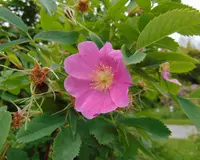
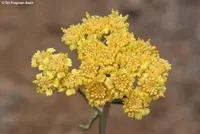
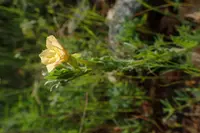
whiteleaf mountainmint Care (Pycnanthemum albescens)

whiteleaf mountainmint

About whiteleaf mountainmint

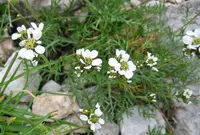
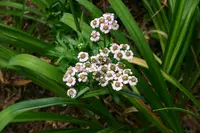
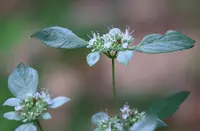
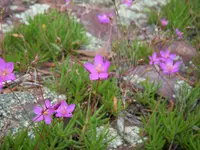
Whiteleaf mountainmint (Pycnanthemum albescens) is a perennial herb in the mint family, valued for its strong scent and pollinator-friendly flowers. It typically forms upright clumps with narrow leaves that appear silvery or whitish on the undersides, giving the plant a pale, frosted look.

This species is native to parts of the southeastern United States, where it grows in open woods, prairies, and well-drained fields. It is generally easy to care for whiteleaf mountainmint because it tolerates heat, moderate drought, and lean soils once established.

The plant prefers full sun to light shade and soil that does not stay waterlogged. Its toughness and aromatic foliage make it suitable for low-maintenance wildlife and meadow-style plantings.

Main Plant Requirements

Care Difficulty

Easy Care

Light Preference

Full Sun

Water Requirements

Moderate Water

Temperature Preference

Cold Hardy

Hardiness Zone

5–8

Soil Texture

Sandy, Loamy, Rocky

Soil pH

Slightly acidic (6.5–7.0), Neutral (7.0)

Soil Drainage

Well-drained

Fertilization

Minimal (feed rarely)

Get Personalized Care Plan

Scan your plant to receive care tips personalized for your specific plant

Available on iOS and Android

How to Care for the whiteleaf mountainmint

This sun-loving mint family perennial thrives in open, bright conditions.

  • Provide 6–8 hours of direct sun daily; in hotter regions, give whiteleaf mountainmint light afternoon shade to reduce leaf scorch.
  • Plant in an open site with unobstructed morning sun; dappled or high, filtered light is acceptable for 3–4 hours if total daily sun remains strong.
  • In summer, monitor for wilting or crisping leaves as a sign of too much intense afternoon sun; in too much shade, stems become weak and flowering declines.

This species prefers evenly moist but not saturated soil, especially during establishment.

  • Water when the top 3–5 cm of soil feels dry, applying enough to moisten the root zone without leaving standing water around the crown.
  • In the first growing season, check moisture 2–3 times per week in hot weather; once established, Pycnanthemum albescens usually tolerates short dry spells between deep waterings.
  • Watch for yellowing, limp foliage and a sour soil smell as signs of overwatering; crisp leaf edges and drooping that improves after rain suggest underwatering or prolonged drought.

This hardy perennial is adapted to a wide outdoor temperature range across much of the US.

  • Optimal growth occurs around 70–85°F (21–29°C), when stems elongate steadily and flowering is most vigorous.
  • Mature plants tolerate winter lows near 0°F (−18°C) in the ground; top growth dies back, but underground parts survive and resprout in spring.
  • In summer heat above 90°F (32°C), flowering usually continues if soil moisture is adequate; during extreme heat or drying winds, some leaf scorch may occur, but plants recover once temperatures moderate.

This species is adapted to outdoor conditions and does not have special humidity requirements in most temperate climates.

This mint-family perennial prefers mineral, well-drained soil that does not stay waterlogged.

  • Use sandy or sandy-loam soil with moderate organic matter to mimic its native habitats.
  • Ensure sharp drainage by incorporating coarse sand or fine gravel, especially in heavier native soils.
  • Aim for slightly acidic to neutral pH around 6.0–7.5; strongly acidic or saline soils reduce vigor.
  • Avoid compacted, constantly wet, or heavy clay substrates, which can cause root decline in Pycnanthemum albescens.

This species can be grown in containers if the potting setup accounts for its spreading, fibrous roots.

  • Choose a wide, relatively shallow container to give rhizomes room to spread without becoming root-bound at depth.
  • Use a heavier or clay pot outdoors to keep the container stable against wind when the plant is in full leafy growth.
  • Fill the container with a gritty, fast-draining mix so roots do not remain saturated after summer thunderstorms.

This prairie mint is adapted to lean soils and usually needs little or no fertilizer once established.

Pycnanthemum albescens responds well to light structural pruning that maintains dense, upright growth and flowering.

  • Cut back spent flower stems in late fall or very early spring using clean hand pruners.
  • Remove dead, diseased, or storm-damaged stems at the base to limit disease spread and improve airflow.
  • Shear or pinch taller stems by 1/3 in late spring to reduce flopping and create a bushier mound.
  • Thin crowded interior stems to allow light into the clump and support stronger new growth.

This species is usually grown in garden beds, so management focuses on transplanting clumps rather than frequent repotting.

  • Move or divide plants in early spring or early fall when temperatures are mild and soil is moist.
  • Transplant when clumps spread beyond their space, growth declines, or stems lodge despite good light.
  • Dig widely around the root mass, lift gently, and replant at the same depth into well-drained soil.
  • Water thoroughly after transplanting, then keep soil evenly moist for 1–2 weeks to limit transplant shock.

Pycnanthemum albescens plant care often includes propagation to expand patches or share plants.

  • Divide established clumps in early spring or fall, ensuring each division has several shoots and a good root portion.
  • Take 7–10 cm softwood stem cuttings in late spring, root in moist, sterile mix with bright shade and high humidity.
  • Sow seeds in fall outdoors or use cold stratification at 35–40°F for 4–6 weeks before spring sowing.
  • Keep seed trays or cuttings just moist, not waterlogged, and provide good airflow to reduce fungal problems.

This North American native is cold hardy and generally needs minimal winter care in typical garden conditions.

  • Plants tolerate freezing temperatures once established, with top growth naturally dying back.
  • In colder regions, apply a 3–5 cm mulch layer after the ground cools to buffer root-zone temperature.
  • For container plants, move pots to a sheltered, unheated area to reduce freeze–thaw stress on roots.

Care Tips

Contain Rhizome Spread

Install a 15–20 cm deep root barrier or plant in a large nursery pot sunk in the ground to keep the rhizomes from spreading into nearby beds while still allowing a full clump to develop.

Cut For Bushier Growth

Shear back the top 5–10 cm of stems once in late spring, before buds form, to encourage denser branching and more flowering stems later in the season.

Support In Windy Sites

In exposed locations, set low ring supports or short stakes around the clump in early summer so stems grow through them and stay upright without needing tight ties.

Staggered Renewal Cutting

Every 2–3 years, cut back or remove about one‑third of the oldest, woody stems at ground level in late winter so younger shoots can replace them without leaving the planting bare.

Pollinator Patch Planning

When growing whiteleaf mountainmint, group plants in a 0.5–1 m wide block or drift rather than single scattered stems to create a stronger visual target and nectar resource for pollinators.

Common Pests and Diseases

Rust

This disease causes small orange to brown pustules on leaf undersides, sometimes leading to yellowing and early leaf drop in dense stands. Symptoms include more severe outbreaks in humid, crowded plantings with poor airflow.

Solution

Remove and destroy heavily infected leaves to reduce spore load, and thin or divide clumps to improve air circulation. Avoid overhead watering, water early in the day so foliage dries quickly, and if needed use a sulfur or copper-based fungicide labeled for ornamental herbs, following label directions carefully.

Powdery mildew

This disease appears as a white, powdery film on leaves and stems, which can cause distorted growth and reduced vigor in shaded or poorly ventilated sites. Symptoms include more noticeable infection late in the growing season when nights are cool and humidity is high.

Solution

Increase sun exposure and airflow by spacing plants properly and trimming nearby vegetation, and remove the most affected stems to lower disease pressure. Water at soil level, avoid excess nitrogen fertilizer, and apply a neem oil or potassium bicarbonate product labeled for powdery mildew if outbreaks recur.

Spider mites

These pests create fine webbing and tiny pale stippling on leaves, and in hot, dry conditions can cause foliage to look bronzed and stressed. This pest is more common where plants grow in very dry, exposed positions or near heat-reflective surfaces.

Solution

Spray plants thoroughly with a strong stream of water to knock mites off, focusing on leaf undersides, and repeat several times per week during outbreaks. Increase humidity slightly around the planting if possible, remove badly damaged stems, and use insecticidal soap or horticultural oil, making sure to cover all leaf surfaces.

Leafhoppers

These insects suck sap from leaves, causing small white or pale spots and sometimes marginal browning, and they can startle and jump when disturbed. This pest moves quickly and often builds up where turf, weeds, and mint relatives grow together.

Solution

Reduce nearby weedy growth and tall grass that harbor adults, and encourage beneficial insects such as spiders and predatory bugs by limiting broad-spectrum insecticides. If damage is persistent, use a fine spray of insecticidal soap in the evening, directing it to the leaf undersides and repeating as needed according to the label.

Septoria leaf spot

This disease causes small, dark-centered spots with lighter halos on leaves, which can merge and lead to partial defoliation in wet seasons. Symptoms include heavier infection on lower, shaded foliage that stays wet for long periods.

Solution

Remove and discard infected lower leaves and any fallen debris to reduce carryover into the next season, and avoid wetting the foliage by using drip or soaker hoses. Improve spacing for better airflow, and in recurring severe cases apply a labeled contact fungicide such as chlorothalonil during extended wet periods, following all safety instructions.

Interesting Facts

Silvery leaf undersides

The leaves have pale, almost whitish undersides and a soft pubescence, which gives the plant a distinctive silvery cast when the wind moves the foliage and likely helps reduce water loss under intense sun.

Specialist pollinator support

This species is known to attract a diverse community of native bees and small wasps, and in parts of its range it supports some specialist bee species that preferentially visit mountainmints when they are in flower.

Aromatic, menthol-like foliage

When crushed, the leaves release a strong minty, slightly medicinal aroma due to essential oils similar to those found in culinary mints, which helps deter some herbivores and makes the plant very noticeable in the field.

FAQs about whiteleaf mountainmint

This species spreads steadily by short rhizomes and self-seeding but is usually manageable. In garden beds, edging, dividing clumps every few years, and removing unwanted seedlings prevent it from becoming overly dense or crowding nearby plants.

Grow Healthy Plants with Botan Care

Keep your plants happy and healthy with plant identification, disease detection, and easy care guidance.

Botan plant care app — identify plants on mobile

Explore More Plants