largeflower fameflower Care (Phemeranthus calycinus)

Also known as: Large-flowered fameflower
largeflower fameflower

About largeflower fameflower

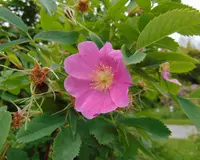
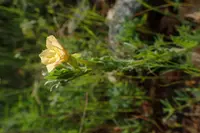
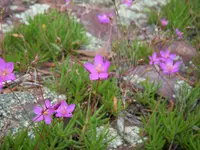
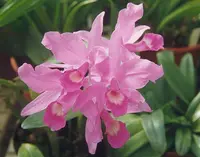
Largeflower fameflower, Phemeranthus calycinus, is a small, sun-loving succulent perennial native to rocky glades and outcrops in central parts of North America. It forms low, tufted clumps of slender, fleshy leaves that store water, topped in warm weather by short stems carrying bright pink, starry flowers. Flowers often open in the heat of the day and close again, giving the plant a brief but striking display. This species is adapted to dry, well-drained, often sandy or gravelly soils and resents heavy, wet conditions. Its drought tolerance and modest size can make care for largeflower fameflower manageable for growers who can provide strong light and sharp drainage.

Main Plant Requirements

Care Difficulty

Easy Care

Light Preference

Full Sun

Water Requirements

Low Water

Temperature Preference

Cold Hardy

Hardiness Zone

4–9

Soil Texture

Sandy, Rocky, Loamy

Soil pH

Slightly acidic (6.5–7.0), Slightly alkaline (7.0–7.5)

Soil Drainage

Well-drained

Fertilization

Minimal (feed rarely)

Get Personalized Care Plan

Scan your plant to receive care tips personalized for your specific plant

Available on iOS and Android

How to Care for the largeflower fameflower

This sun-loving succulent thrives in open, bright sites with strong light exposure.

  • Provide 6–8 hours of direct sun daily; morning and midday sun encourage compact growth and abundant blooms on largeflower fameflower.
  • It tolerates light afternoon shade, especially in hot climates, but too much shade causes lanky stems and reduced flowering.
  • In summer, gradually acclimate plants to intense sun to prevent leaf scorch; in winter, avoid heavy shade from buildings or shrubs that greatly shortens daily sun hours.

This drought-adapted perennial prefers infrequent, deep watering in fast-draining soil.

  • Allow the top 3–5 cm of soil to dry completely before watering; foliage should look firm, not shriveled, between waterings.
  • Use very well-drained, sandy or rocky soil so excess water runs off quickly, since Phemeranthus calycinus is prone to root rot in soggy sites.
  • Reduce watering further in cool or cloudy periods; pale, mushy stems indicate overwatering, while severe wilting and shriveling signal prolonged dryness.

This hardy succulent tolerates a wide temperature range but needs protection from extreme cold and prolonged saturation in cool soils.

  • Optimal growth occurs around 70–85°F (21–29°C); flowering and compact form are best in warm, sunny conditions.
  • Mature plants usually tolerate brief drops near 0°F (−18°C) in dry, well-drained ground, but young plants are safer above 20°F (−6°C).
  • In very hot spells above 95°F (35°C), ensure sharp drainage and avoid reflected heat from walls to reduce stress and possible tissue scorch.

This species prefers dry air and does not require elevated humidity.

This species thrives in very well-drained, sandy or gravelly soil that mimics a rocky habitat.

  • Use a mix of roughly 60–70% coarse sand or fine gravel with 30–40% lean mineral topsoil.
  • Keep organic matter low; add only a small amount of compost if needed, as rich mixes hold too much moisture.
  • Aim for slightly acidic to neutral pH around 6.0–7.5, avoiding strongly acidic or alkaline extremes.
  • To improve drainage and aeration in containers, mix in extra grit, pumice, or small gravel and avoid moisture-retentive peat-heavy blends.

This species can grow well in containers if drainage and shallow, rocky conditions are replicated.

  • Choose a wide, shallow pot that allows its fibrous roots and clumps to spread rather than a deep, narrow container.
  • Select a heavy or clay pot when exposed to wind so the top growth and shallow roots do not cause tipping.
  • Ensure the potting mix contains a high proportion of mineral grit so water drains within minutes and does not pool at the base.

This drought-adapted native needs only light feeding when grown in poor or soilless mixes.

  • Use a low-strength balanced liquid fertilizer (around 10-10-10), diluted to 1/4–1/2 strength, for container plants.
  • Feed every 4–6 weeks in late spring through mid-summer while actively growing and flowering.
  • Do not fertilize during fall and winter dormancy, especially for outdoor clumps.
  • In very lean sandy soils, a thin top-dress of compost in spring supports healthy largeflower fameflower growth.

Phemeranthus calycinus needs only light pruning to keep the clump tidy and flowering well.

  • Best time is late winter or early spring before strong new growth begins.
  • Shear or pinch off spent flower stalks to encourage a neater mound and potential rebloom.
  • Remove dead, damaged, or weak stems with clean scissors or hand pruners to limit disease.
  • Avoid cutting into healthy fleshy crowns, which store water and energy for the plant.

This species is usually grown in the ground, but small container specimens or young plants may need careful transplanting.

  • Transplant in late spring after frost, when soil is warming and the plant resumes growth.
  • Move plants only when roots fill the plug or container, or when growth stalls despite good conditions.
  • Use a sharply drained sandy or gritty mix and keep the new planting depth at the same crown level.
  • Water in lightly, then allow soil to dry between waterings to reduce root stress and rot risk.

Phemeranthus calycinus is commonly propagated by seed, with division or cuttings used more cautiously.

  • Sow fresh seeds in late fall or very early spring outdoors; natural cold helps break dormancy.
  • Provide a sharply drained sandy mix and bright light; avoid overwatering to prevent damping-off.
  • For division, lift small clumps in late spring and separate with minimum root disturbance.
  • Short stem cuttings may root in warm, dry, very gritty media, but losses can be high.

Established plants are quite cold hardy in much of the US and usually need minimal winter care.

  • Hardy to typical Midwestern winters when planted in very well-drained, sandy or rocky soil.
  • Apply a light, gritty mulch around but not over the crown to limit freeze–thaw heaving.
  • Container plants in cold regions are best overwintered in a cold, bright, frost-free space.
  • Keep winter watering sparse; crowns sitting in wet, cold media are prone to rot.

Care Tips

Rocky crevice planting

Tuck plants into shallow crevices between rocks or pavers with very sharp drainage to mimic their native habitat and greatly extend crown longevity.

Root-zone heat management

In hot summer regions, place plants where rock or gravel shades the root zone in late afternoon so foliage stays vigorous without stressing the root crown.

Self-seeding support

Leave some spent flowers on the plant until seed capsules dry, then gently shake them over nearby gritty soil to encourage a naturalistic self-sown colony.

Winter wet protection

In climates with cold, wet winters, top-dress the planting area with a thin layer of coarse gravel in late fall to keep the crown dry and reduce rot risk.

Container renewal cycle

For containers, plan to divide or replant clumps every 2–3 years into fresh, gritty mix, discarding any woody or congested crown sections to keep plants compact when growing largeflower fameflower.

Common Pests and Diseases

Mealybugs

This pest occasionally hides in stem joints and on flower stalks, sucking sap and causing stunted growth and weak, distorted new stems. Symptoms include white, cottony clusters and sticky honeydew on nearby surfaces.

Solution

Remove visible insects with a cotton swab dipped in 70% isopropyl alcohol, then rinse the plant gently and allow soil to dry well between waterings. For outdoor clumps, use a firm spray of water to dislodge insects and, if populations persist, apply a light horticultural oil or insecticidal soap in the cooler part of the day, avoiding repeated wetting of the crown.

Spider mites

These insects thrive on this plant in hot, dry, wind-sheltered sites and feed on the foliage, leading to tiny pale speckles and a dull, stressed appearance. Fine webbing may be visible on stems and flower stalks.

Solution

Increase air movement around the plant and periodically hose down foliage and stems to remove mites and dust, taking care not to erode the shallow soil around the roots. If infestation is heavy, use insecticidal soap or a light horticultural oil, making sure plants are well hydrated beforehand and treatments are applied in early morning or late afternoon.

Leaf spot

This disease can develop in humid or rainy periods when foliage stays wet, producing small brown to purplish spots on leaves and sometimes on tender stems. Symptoms include scattered lesions that may coalesce, causing premature yellowing and shedding of affected leaves.

Solution

Remove and discard heavily spotted leaves to reduce inoculum and avoid overhead watering so foliage dries quickly. Improve spacing and airflow around the clump, and if wet conditions persist, use a copper-based or other labeled ornamental fungicide, directing sprays to leaves while keeping the crown from staying saturated.

Crown rot

This disease occurs mainly in poorly drained or compacted soil, causing the central crown to soften, darken, and collapse while outer portions of the clump lose vigor. Symptoms include sudden wilt in hot weather despite moist soil and a foul, decaying base when inspected closely.

Solution

Lift and discard severely affected plants and improve drainage by raising the planting area, using a sandy, gritty mix, or relocating to a rock garden or well-drained bed. For mild cases, remove rotted tissue, replant only firm, healthy segments in sharply drained soil, and avoid frequent watering, especially in cool or cloudy weather.

Interesting Facts

Ephemeral midday blooms

This species produces vivid pink to magenta flowers that open only for a few hours around midday on sunny days, then close again, a classic behavior of so‑called rock pinks adapted to high light and heat.

True sandstone specialist

It naturally occurs on exposed sandstone glades and outcrops in the central United States, often in very shallow, nutrient-poor pockets of grit and rock where few other vascular plants can survive.

Succulent survival strategy

The leaves and stems are succulent, storing water that allows the plant to withstand intense sun, reflected heat from rock surfaces, and periodic drought common in its native habitats.

Botan icon

Did you know?

In its native sandstone glades, this plant often forms low, cushion-like mats that help trap wind-blown dust and organic particles, gradually creating tiny new soil pockets that other small species can colonize, making it an important early stabilizer in these extreme rock-dominated ecosystems.

FAQs about largeflower fameflower

Growth is moderate rather than fast. In good conditions it slowly expands its clump and spreads by self-seeding. Expect noticeable thickening over several seasons instead of rapid size jumps within a single year.

Grow Healthy Plants with Botan Care

Keep your plants happy and healthy with plant identification, disease detection, and easy care guidance.

Botan plant care app — identify plants on mobile

Explore More Plants