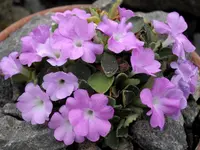
Staggered Succession Sowing
For a long flowering window, sow small batches of seed every 2–3 weeks in spring so plants reach blooming size at slightly different times rather than all peaking once.

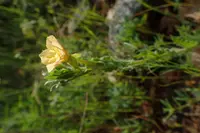
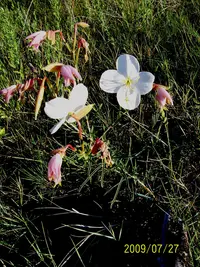
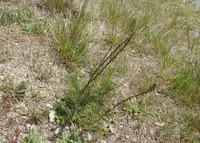
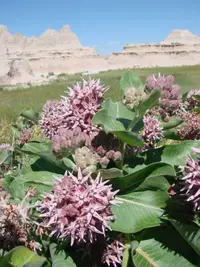
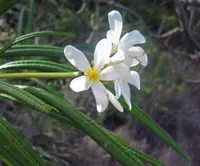
Evening primrose (Oenothera indecora) is a herbaceous flowering perennial known for its pale yellow, often night-opening blooms. It usually forms loose clumps or patches with upright, slender stems. Native to South America, it has adapted to a range of dry, open habitats and can naturalize in similar climates elsewhere. The plant is generally undemanding, which makes it straightforward to care for Evening Primrose in well-drained soil. It tolerates poor ground and moderate drought once established, but performs best with full sun and occasional moisture.

Care Difficulty
Easy Care

Light Preference
Full Sun

Water Requirements
Moderate Water

Temperature Preference
Warm Climate

Hardiness Zone
7–10

Soil Texture
Sandy, Loamy, Rocky

Soil pH
Slightly acidic (6.5–7.0), Neutral (7.0)

Soil Drainage
Well-drained

Fertilization
Minimal (feed rarely)
Scan your plant to receive care tips personalized for your specific plant
Available on iOS and Android
This sun-loving perennial performs best in open, bright positions with long daily exposure.
This species prefers dry to moderately moist soil and is sensitive to prolonged saturation.
This plant is adapted to temperate climates with warm summers and cool to mild winters.
This species handles a wide humidity range and rarely needs special humidity management.
This species prefers light, well-drained soil that mimics open, sandy habitats.
This species is suitable for container growing outdoors when its spreading habit is managed.
This species is adapted to lean soils and usually needs only light feeding in garden settings when caring for Evening Primrose.
Oenothera indecora responds well to light, targeted pruning that supports flowering and a tidy shape.
This perennial is more often transplanted in garden beds than grown long term in containers.
This plant is most commonly propagated by seed, with division as a secondary option in established clumps.
In most temperate climates this species is reasonably cold hardy and usually needs only minimal winter attention.

Plant Health Check
Not sure what's wrong with your plant? Check your plant's health inside the app.
The flowers open in the evening and often close by the following morning, matching the activity patterns of nocturnal moth pollinators that visit for nectar and pollen.
In its native South American range, this species is primarily pollinated by crepuscular and night‑active hawkmoths, which are attracted by its pale petals and evening scent.
This plant often establishes in disturbed, open habitats such as roadsides and waste ground, where its fast growth and abundant seed set help it act as an early colonizer species.
This species self-seeds freely and can form loose colonies, especially in light, disturbed soils. Deadhead spent flowers before seed forms or thin out unwanted seedlings each spring to keep it from spreading beyond its allotted space.
Keep your plants happy and healthy with plant identification, disease detection, and easy care guidance.

-200x133.webp)