


Stolon management
Check for surface stolons every few weeks, and either trim excess runners or gently guide them into neighboring pots to control spread and keep the mother plant compact.

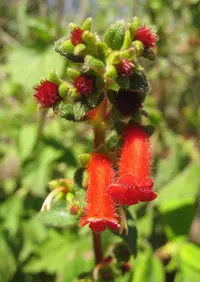
Kohleria spicata is a compact, rhizomatous flowering plant from the African violet family (Gesneriaceae). It is often grown as a houseplant or in warm greenhouses. The plant forms upright stems with soft, fuzzy leaves and produces tubular, orange to red flowers with speckled throats, giving a tropical look even in small spaces.
In nature, it occurs in humid, shaded habitats of Central and South America, where it grows as an understory plant. Its preference for stable warmth, moderate humidity, and gently bright, indirect light makes it manageable for indoor growers.
Once its basic needs are understood, it is relatively forgiving, which helps beginners learn how to care for Kohleria spicata without feeling overwhelmed.

Care Difficulty
Moderate Care

Light Preference
Bright Indirect Light

Water Requirements
Keep Soil Moist

Temperature Preference
Tropical / Frost Sensitive

Hardiness Zone
10–11

Soil Texture
Loamy, Peaty, Organic-rich

Soil pH
Acidic (5.5–6.5), Slightly acidic (6.5–7.0)

Soil Drainage
Moist but well-drained

Fertilization
Light (every 4–6 weeks)
Scan your plant to receive care tips personalized for your specific plant
Available on iOS and Android
This species prefers bright, indirect light with some gentle direct sun for best flowering.
Watering should keep the soil lightly moist but never waterlogged.
This plant prefers warm, stable temperatures without sudden extremes.
This species benefits from moderately humid air but copes briefly with drier indoor conditions.
This species prefers a loose, airy, organic-rich mix that drains quickly but does not dry out instantly.
This species is well suited to container growing due to its compact rhizomatous habit.
Balanced feeding supports strong growth and flowering in Kohleria spicata during its active season.
Thoughtful pruning keeps Kohleria spicata compact, bushy, and flowering well indoors.
Container-grown plants benefit from periodic repotting to refresh soil and manage vigorous rhizome growth.
This species is commonly multiplied from rhizomes and stem cuttings for consistent flowering plants.
This tropical species is frost-sensitive and needs warm, sheltered conditions in winter.

Plant Health Check
Not sure what's wrong with your plant? Check your plant's health inside the app.
This species produces orange to reddish tubular flowers with distinct darker spotting inside, an adaptation that helps guide pollinators such as hummingbirds directly to the nectar source.
Kohleria spicata forms scaly underground rhizomes that store carbohydrates and water, allowing the plant to survive dry or cool periods and resprout when conditions improve.
The species is native to humid and premontane forests of Central and northern South America, where it typically grows as an understory herb in bright but filtered light conditions.

In some of its native range, Kohleria spicata can behave as a short-lived perennial that dies back almost completely above ground during unfavorable seasons, then regenerates from its rhizomes when warmth and moisture return, which is important to understand for proper Kohleria spicata care instructions.
Lack of blooms usually relates to insufficient light, short day length, or depleted nutrients. Provide bright, indirect light, a mild high-potassium fertilizer during active growth, and a short, cool rest period in winter to reset flowering.
Keep your plants happy and healthy with plant identification, disease detection, and easy care guidance.

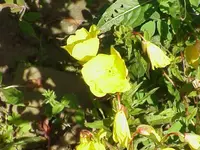
narrowleaf evening primrose
Oenothera fruticosa
 POPULAR
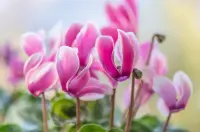
Cyclamen
Cyclamen persicum

Fancy-leaf Caladium
Caladium 'Florida Moonlight'
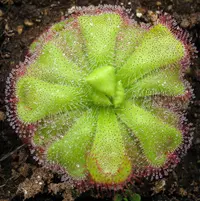
Peninsula Sundew
Drosera cuneifolia
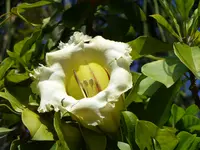
showy chalicevine
Solandra grandiflora
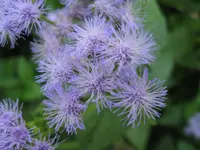
blue mistflower
Conoclinium coelestinum
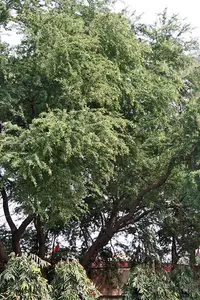
monkeypod
Pithecellobium dulce
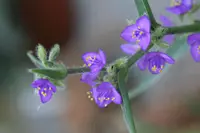
leatherleaf spiderwort
Tradescantia crassifolia