Early staking support
Install a sturdy stake or slim tripod right at planting, tying the main stem loosely with soft ties so the fast growth does not bend or snap in wind.

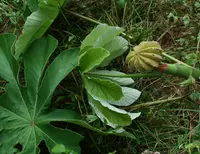
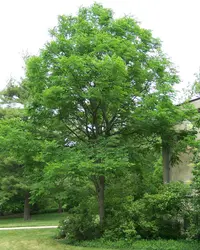
The trumpet tree, Cecropia peltata, is a fast-growing tropical tree known for its tall, slender trunk and large, umbrella-like leaves. It often develops a light, open canopy that lets plenty of filtered light reach the ground.
This species is native to Central and South America and the Caribbean, where it colonizes forest edges, clearings, and disturbed sites. Its rapid growth and soft wood make it relatively short-lived but effective as a pioneer tree.
For home growers, it is generally considered suitable only for warm, frost-free climates or very large indoor spaces. Understanding how to care for trumpet tree starts with providing bright light, consistent warmth, and evenly moist but well-drained soil.

Care Difficulty
Hard Care

Light Preference
Full Sun

Water Requirements
Regular Water

Temperature Preference
Tropical / Frost Sensitive

Hardiness Zone
11–13

Soil Texture
Loamy, Sandy, Organic-rich

Soil pH
Acidic (5.5–6.5), Slightly acidic (6.5–7.0)

Soil Drainage
Moist but well-drained

Fertilization
Minimal (feed rarely)
Scan your plant to receive care tips personalized for your specific plant
Available on iOS and Android
This fast-growing tropical tree needs abundant light to develop strong, well-spaced foliage.
This species prefers consistently moist, fast-draining soil without prolonged drying or standing water.
This tropical tree thrives in warm, frost-free climates with minimal temperature fluctuation.
This tropical species prefers consistently moist air and reacts quickly to very dry conditions.
Cecropia peltata thrives in airy, fast-draining yet moisture-retentive soil rich in organic matter.
This species can be grown in containers for its juvenile stage, but it becomes challenging as a long-term potted tree.
Cecropia peltata grows fast and responds well to light, consistent feeding in active growth.
Pruning Cecropia peltata is mainly done to manage size, safety, and structure rather than to encourage flowering.
This fast-growing tropical tree is usually transplanted outdoors rather than maintained long term in containers.
Cecropia peltata is most often propagated from fresh seed under warm, humid conditions.
This tropical species is very frost-sensitive and needs careful winter management outside true frost-free climates.

Plant Health Check
Not sure what's wrong with your plant? Check your plant's health inside the app.
This species often forms mutualistic relationships with Azteca ants, which nest in its hollow stems and feed on food bodies at the base of the leaf stalks, while aggressively defending the tree from herbivores and encroaching vines.
It is a fast-growing pioneer tree in Neotropical forests, quickly colonizing open, disturbed sites such as landslides and abandoned fields and helping to create shade and organic matter that later forest species use to establish.
The tree produces large, deeply lobed leaves arranged in a circular, umbrella-like pattern at the ends of branches, which increases light capture in forest gaps and gives the canopy a very recognizable silhouette.

Cecropia peltata has become a notable invasive species in parts of Africa and Asia, where it can spread rapidly along roadsides and disturbed land, outcompete native pioneer trees, and significantly alter early successional forest structure.
This species is very fast-growing, often adding 1–3 m per year in warm climates. In suitable outdoor conditions it can reach 10–20 m tall with a broad, umbrella-like crown, so long-term space planning is essential.
Keep your plants happy and healthy with plant identification, disease detection, and easy care guidance.