


Encourage Compact Growth
Pinch back soft stem tips every 4–6 weeks during active growth to keep the plant bushy, prevent legginess, and stimulate more branching and flowering when growing Drymonia rubra.

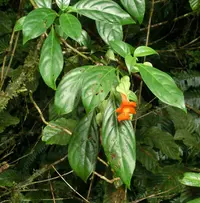
Drymonia rubra is a compact, evergreen tropical plant in the African violet family (Gesneriaceae). It is usually grown as a foliage plant rather than for its flowers. The plant forms trailing or slightly arching stems with soft, velvety leaves, often dark green with reddish tones on the undersides, giving it a subtle ornamental look. In nature, it grows as an epiphyte or on moist forest floors in Central and South American rainforests, where it enjoys warm, shaded, humid conditions. Its preference for stable warmth, high humidity, and gentle light makes it moderately challenging for beginners, but manageable indoors with consistent conditions. Understanding how to care for Drymonia rubra helps keep its foliage healthy and growth compact.

Care Difficulty
Moderate Care

Light Preference
Bright Indirect Light

Water Requirements
Keep Soil Moist

Temperature Preference
Tropical / Frost Sensitive

Hardiness Zone
11–12

Soil Texture
Loamy, Peaty, Organic-rich

Soil pH
Acidic (5.5–6.5)

Soil Drainage
Moist but well-drained

Fertilization
Light (every 4–6 weeks)
Scan your plant to receive care tips personalized for your specific plant
Available on iOS and Android
This rainforest gesneriad prefers bright, indirect light that mimics filtered canopy conditions.
Watering should keep the root zone evenly moist but never saturated.
This species performs best in consistently warm, frost-free conditions similar to its native tropical habitat.
This species prefers consistently moist air and reacts quickly to dry indoor conditions.
This plant prefers a loose, airy, organic-rich mix that drains quickly yet holds some moisture.
This species is very suitable for container growing due to its compact, trailing habit.
This epiphytic gesneriad benefits from modest, consistent feeding during active growth.
Light pruning keeps this soft-stemmed plant compact and encourages branching.
This species prefers stable conditions and only needs repotting when clearly rootbound.
Stem cuttings are the most practical way to increase plants at home.
This tropical plant has low cold tolerance and requires warm, stable indoor conditions in winter.

Plant Health Check
Not sure what's wrong with your plant? Check your plant's health inside the app.
This species is distinguished by leaves with deep red, velvety undersides that contrast with the green upper surface, a trait especially visible when the foliage is backlit. The red pigmentation is due to anthocyanins, which can help protect leaf tissues from excess light in its native understory habitat.
In its native Central and South American rainforests, this species produces tubular flowers adapted to hummingbird pollination. The flower shape and orientation make nectar accessible to birds while positioning the reproductive parts to pick up and deposit pollen as the birds feed.
This plant often grows as an epiphyte or lithophyte, creeping along tree trunks or rocks rather than rooting in deep soil. Its stems root at the nodes where they touch moss or organic debris, allowing it to colonize humid, shaded surfaces efficiently.
Lack of blooms usually comes from insufficient light, low humidity, or inadequate nutrition. Provide bright but indirect light, consistent warmth, and a balanced, diluted fertilizer during active growth. Avoid heavy pruning of new shoots that carry flower buds.
Keep your plants happy and healthy with plant identification, disease detection, and easy care guidance.

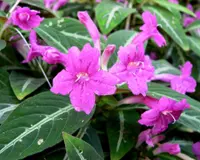
Trailing Velvet Plant
Ruellia makoyana
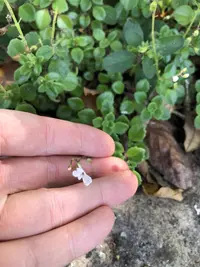
Cliff Spurflower
Plectranthus purpuratus
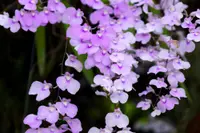
Delicate violet orchid
Ionopsis utricularioides
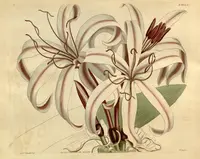
Giant Spider Lily
Crinum × amabile
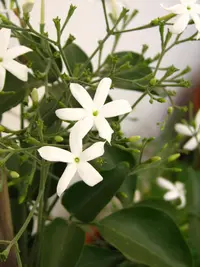
Lemon-scented jasmine
Jasminum azoricum
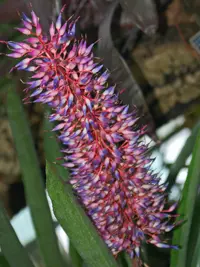
Aechmea fendleri
Aechmea fendleri
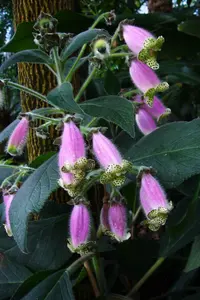
Kohleria warszewiczii
Kohleria warszewiczii
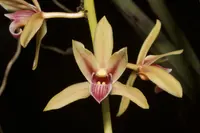
Two-colored Cymbidium
Cymbidium bicolor