tree gloxinia Care (Kohleria amabilis)

tree gloxinia

About tree gloxinia

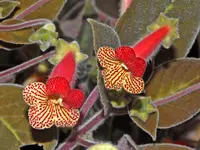
Kohleria amabilis, often called tree gloxinia, is a compact, rhizomatous houseplant in the African violet family. It is grown mainly for its soft, patterned foliage and tubular, spotted flowers. Stems are upright to arching, giving a small shrub-like look over time.

This species comes from tropical regions of Central and South America, where it grows in warm, humid, partially shaded habitats. Indoors it is considered relatively easy if kept in stable warmth, moderate humidity, and out of harsh direct sun.

Understanding how to care for tree gloxinia starts with providing airy, well-drained soil and avoiding prolonged dryness or waterlogging, both of which stress the plant.

Main Plant Requirements

Care Difficulty

Moderate Care

Light Preference

Bright Indirect Light

Water Requirements

Moderate Water

Temperature Preference

Tropical / Frost Sensitive

Hardiness Zone

11–12

Soil Texture

Loamy, Peaty, Organic-rich

Soil pH

Acidic (5.5–6.5), Slightly acidic (6.5–7.0)

Soil Drainage

Moist but well-drained

Fertilization

Light (every 4–6 weeks)

Get Personalized Care Plan

Scan your plant to receive care tips personalized for your specific plant

Available on iOS and Android

How to Care for the tree gloxinia

Kohleria amabilis prefers bright, indirect light that mimics a lightly shaded forest edge.

  • Provide 6–8 hours of bright, filtered light each day, such as near an east or north window or under light tree canopy outdoors.
  • Tolerates light morning sun but avoid harsh midday or afternoon sun, which can cause leaf scorch, faded color, and crispy edges.
  • In winter, move tree gloxinia closer to bright windows or supplement with grow lights to prevent stretched, weak stems from low light.

This species needs consistently lightly moist soil but is sensitive to both drought and waterlogging.

  • Water when the top 2–3 cm of soil feels dry, using enough water so it drains freely from the pot or planting area.
  • Ensure loose, fast-draining soil; signs of overwatering include limp, yellowing leaves and a sour smell from the soil.
  • Reduce watering slightly in cooler, lower-light seasons; slight leaf droop and dry potting mix indicate it is time to water Kohleria amabilis again.

This plant grows best in warm, stable conditions without sudden temperature swings.

  • Aim for 65–80°F (18–27°C) for active growth; below 60°F (16°C) growth slows and foliage quality declines.
  • Protect from cold drafts and never expose to frost; tissue damage can occur near 40°F (4°C) and the plant may die if freezing.
  • In hotter periods above 85°F (29°C), increase air movement and shade from intense sun to prevent heat stress and leaf scorch.

This species prefers moderately humid air and reacts quickly to very dry conditions.

  • Aim for 50–70% humidity to keep foliage lush and flowering regular for tree gloxinia.
  • Leaves that curl, feel crisp at the edges, or develop brown tips indicate humidity stress rather than underwatering.
  • Increase humidity with a pebble tray under the pot or a nearby room humidifier instead of misting leaves directly.

This species needs a loose, airy, and fast-draining mix that still retains moderate moisture.

  • Use a peat- or coco-based mix with added perlite and fine bark to create a fibrous, organic-rich substrate for Kohleria amabilis.
  • Ensure rapid drainage; the pot should empty excess water within seconds, not pool on the surface.
  • Target slightly acidic conditions around pH 5.8–6.5, which support nutrient uptake while limiting salt buildup.
  • Avoid heavy garden soil, dense compost-only mixes, or any medium that compacts and excludes air around the rhizomes.

This species is very suitable for container growing due to its compact rhizomatous habit.

  • Choose a pot slightly wider than deep to accommodate spreading rhizomes without leaving large unused soil volumes that stay wet.
  • Select lightweight plastic if frequent moving is needed, or heavier ceramic to stabilize tall, leafy stems that might lean.
  • Use containers with multiple small drainage holes so water exits evenly and does not leave localized soggy pockets at the base.

Kohleria amabilis benefits from light, consistent feeding during active growth to support foliage and flowering, similar to other tree gloxinia relatives.

  • Use a balanced liquid fertilizer (such as 10-10-10 or 20-20-20) diluted to 1/4–1/2 strength for container plants.
  • Feed every 2–3 weeks during the warm, bright growing season when the plant is actively producing new shoots.
  • Switch to a slow-release balanced fertilizer if you prefer less frequent applications, following label rates carefully.
  • Reduce or stop fertilizing in fall and winter when growth slows or tuberous rhizomes enter partial dormancy.

Kohleria amabilis responds well to light pruning that maintains a compact, flowering plant.

  • In late winter or early spring, trim back leggy stems by 1/3 to encourage branching and fuller growth.
  • Remove dead, damaged, or diseased stems promptly using clean, sharp scissors or pruning shears to limit infection.
  • Pinch soft stem tips during the growing season to promote bushier plants and more flowering sites.
  • Cut back old, spent flowering stems near the base once blooming finishes to direct energy to new shoots.

Kohleria amabilis is usually grown in containers and benefits from careful, infrequent repotting to avoid disturbing its rhizomes.

  • Plan repotting every 1–2 years in late winter or early spring, or when roots circle the pot and growth slows.
  • Choose a shallow, slightly wider pot with drainage and use a light, airy mix such as peat-based or coir-based with added perlite.
  • Gently loosen the root ball, avoid breaking the fleshy rhizomes, and set the plant at the same depth as before.
  • Water lightly after repotting, keep in bright indirect light, and avoid heavy feeding for 2–3 weeks to limit transplant stress.

Kohleria amabilis is commonly propagated from stem cuttings and rhizome division during the active growing season.

  • In spring or early summer, take 7–10 cm non-flowering stem cuttings, remove lower leaves, and root in moist, airy mix under high humidity.
  • Divide rhizomes when repotting, ensuring each piece has at least 1–2 growth points, then plant shallowly in well-drained substrate.
  • Maintain warm temperatures around 70–75°F, bright indirect light, and lightly moist soil to encourage rapid rooting.
  • Seeds can be sown on the surface of fine, moist mix under cover; do not bury, since light improves germination.

Kohleria amabilis is not frost hardy and requires mild indoor conditions in winter.

  • Keep plants above 60°F; avoid any exposure to frost or near-freezing drafts around windows or doors.
  • Move outdoor containers indoors before night temperatures fall below 55°F, placing them in bright indirect light.
  • Allow the plant to rest by reducing watering and stopping fertilizer while keeping the soil lightly moist, never waterlogged.
  • If top growth dies back, keep the pot barely moist so rhizomes survive and resprout in spring.

Care Tips

Stolon management

Check regularly for creeping stolons and either trim them to keep the plant compact or pot them up separately to create new plants and prevent the mother plant from becoming overcrowded.

Seasonal rest handling

If stems become bare or the plant looks tired in late fall or winter, reduce watering slightly and allow a light rest period instead of discarding it, then resume normal moisture when new shoots appear from rhizomes.

Rhizome division timing

Plan any division of the rhizomatous root system for early spring, gently separating firm, healthy rhizome sections with at least 1–2 growth points to reset congested plants and maintain strong flowering.

Targeted staking

Provide discreet, thin stakes or a small hoop support for taller, older stems so that the tubular flowers are held upright and visible, reducing the risk of breakage at the base.

Preventive pest checks

Inspect the soft, hairy leaves and leaf undersides every 1–2 weeks for early signs of mites, thrips, or mealybugs, and isolate and treat promptly to protect your whole collection when growing tree gloxinia in mixed indoor plant groups.

Common Pests and Diseases

Cyclamen mites

This pest often hides in the fuzzy leaf undersides and growing tips, causing distorted new leaves, tight rosettes, and deformed or aborted flower buds. Symptoms include stunted growth and a rough, hardened texture on young foliage.

Solution

Isolate the plant, remove and discard badly distorted growth, and increase humidity only after treatment, not during active infestation. Treat with several rounds of insecticidal soap or a miticide labeled for cyclamen mites, and keep night temperatures slightly cooler (around 60–65°F) to reduce stress on the plant while it recovers.

Mealybugs

These insects appear as white, cottony clusters in leaf axils, on stems, and sometimes on rhizomes, where they suck sap and weaken the plant. Symptoms include sticky honeydew, yellowing leaves, and poor flowering.

Solution

Quarantine the plant, then dab visible insects with cotton swabs dipped in 70% isopropyl alcohol and gently wipe affected areas. Follow up with insecticidal soap or a systemic insecticide suitable for flowering houseplants, and inspect rhizomes when repotting to remove any hidden colonies before replanting in fresh, clean substrate as part of consistent Kohleria amabilis plant care.

Botrytis blight

This disease produces soft, water-soaked spots on leaves, stems, and flowers that quickly develop gray, fuzzy mold under cool, humid, low-light conditions. Symptoms include collapsing flower stalks and a general decline in plant vigor.

Solution

Remove and discard affected leaves and blooms, improve air circulation around the plant, and avoid overhead watering or water sitting on fuzzy foliage. If conditions stay humid, apply a fungicide labeled for Botrytis on ornamentals and space plants so foliage dries quickly after watering.

Powdery mildew

This disease causes a white to gray powdery coating on leaves and stems, often starting on older foliage in crowded, warm, stagnant air. Symptoms include curling, yellowing, and premature leaf drop, especially on shaded or densely grown plants.

Solution

Increase air movement, thin out overcrowded stems, and avoid prolonged leaf wetness. Remove heavily affected leaves and treat remaining foliage with a fungicide labeled for powdery mildew or a potassium bicarbonate-based spray, repeating as directed until new growth emerges clean.

Thrips

These insects feed inside flower buds and along leaf surfaces, causing streaked petals, silvery patches, and twisted or scarred new growth. This pest can also spread viral diseases between gesneriads if left unmanaged.

Solution

Prune off and discard heavily damaged flowers and leaves, then rinse the plant thoroughly with lukewarm water to dislodge insects. Use sticky traps to monitor adults and apply a targeted insecticidal soap or spinosad spray on both upper and lower leaf surfaces, repeating several times to break the life cycle.

Interesting Facts

Miniature rhizome tubers

This species forms small scaly rhizomes that act as storage organs, allowing the plant to survive short dry spells and resprout from below the soil surface after stress or seasonal dieback.

Velvety, patterned foliage

Leaves are softly hairy with a characteristic pattern of dark green upper surfaces and purplish tones beneath, an adaptation that can help diffuse intense light and may reduce water loss from the leaf surface.

Speckled tubular flowers

Its tubular flowers are pale pink to lavender with dense reddish spotting inside the corolla, a pattern that acts as a visual guide for pollinators toward the nectar source.

Botan icon

Did you know?

Kohleria amabilis has been cultivated and hybridized within the Gesneriaceae family for its distinctive spotted flowers and compact habit, making it an important parent in the development of many modern ornamental Kohleria hybrids.

FAQs about tree gloxinia

Lack of flowering usually comes from insufficient light, short day length, or nutrient imbalance. Old, exhausted rhizomes also bloom less. Provide bright, indirect light, regular low-dose fertilizer, and a short rest period to reset its blooming cycle.

Grow Healthy Plants with Botan Care

Keep your plants happy and healthy with plant identification, disease detection, and easy care guidance.

Botan plant care app — identify plants on mobile

Explore More Plants