Crinum Care (Crinum 'Ellen Bosanquet')

Also known as: Cape Coast Lily

About Crinum

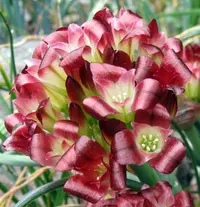
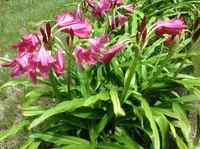
Crinum 'Ellen Bosanquet' is a bulb-forming perennial often grown as an ornamental for its large, trumpet-shaped, deep rose to wine-red flowers and strappy green leaves. It develops into a substantial clump over time, with blooms held on tall stems above the foliage.

This cultivar belongs to the amaryllis family and originates from hybrids involving species native to warm, subtropical regions. It prefers a sunny, warm position with moist but well-drained soil and benefits from consistent conditions, which makes it easier to manage once established.

Understanding how to care for Crinum starts with recognizing that it grows slowly at first but becomes long-lived and resilient when not disturbed frequently.

Main Plant Requirements

Care Difficulty

Moderate Care

Light Preference

Full Sun

Water Requirements

Regular Water

Temperature Preference

Warm Climate

Hardiness Zone

8–11

Soil Texture

Sandy, Loamy, Organic-rich

Soil pH

Acidic (5.5–6.5), Slightly acidic (6.5–7.0)

Soil Drainage

Moist but well-drained

Fertilization

Light (every 4–6 weeks)

Get Personalized Care Plan

Scan your plant to receive care tips personalized for your specific plant

Available on iOS and Android

How to Care for the Crinum

This bulb prefers bright conditions to flower heavily and maintain strong foliage.

  • Provide 6–8 hours of direct sun daily, ideally with morning sun and light afternoon shade in hotter regions to prevent leaf scorch.
  • Plant in a spot that receives at least 4 hours of unfiltered sun; in partial shade, expect fewer blooms and longer, weaker leaves on Crinum 'Ellen Bosanquet'.
  • In cooler seasons, maximize light by avoiding heavy tree cover; in intense summer sun, protect with dappled shade during the hottest midday hours.

This plant prefers consistently moist but not waterlogged soil during active growth.

  • Water when the top 3–5 cm of soil feels dry, aiming for evenly moist soil from spring through early fall while bulbs are actively growing and flowering.
  • Use deep, infrequent watering so moisture reaches the full root and bulb zone, and ensure soil drains freely to prevent standing water around Crinum 'Ellen Bosanquet'.
  • Reduce watering in late fall and winter, giving just enough to prevent complete soil dryness; watch for yellow, soft leaves as a sign of overwatering and crisp, folding leaves as underwatering.

This bulb performs best in warm, frost-free conditions with a mild winter rest.

  • Ideal growing temperatures are 70–85°F (21–29°C); growth slows below 60°F (16°C) but established plants can tolerate brief dips to about 25°F (-4°C) if well mulched.
  • In regions with colder winters than 25°F (-4°C), bulbs should be lifted and stored cool and dry at 40–50°F (4–10°C) to prevent freeze damage.
  • During summer heat above 95°F (35°C), maintain soil moisture and light afternoon shade to protect foliage tips from scorching while still supporting strong flowering.

This bulb tolerates a wide humidity range but grows best with moderate ambient moisture.

  • Aim for 40–60% humidity, which suits most homes and keeps foliage from drying at the tips.
  • Crinum may show humidity stress through browning leaf edges and slower unfolding of new leaves in very dry air.
  • Increase humidity by grouping plants, placing the pot on a pebble tray with water below the base, or running a nearby room humidifier.

Soil for Crinum 'Ellen Bosanquet' must drain freely yet retain enough moisture for its large bulbs.

  • Use a deep, loamy mix made from roughly 50% compost or rich garden soil, 25% coarse sand, and 25% perlite or fine bark for structure.
  • Ensure drainage is fast so water does not sit around the bulb neck, which increases risk of rot and fungal issues.
  • Target a slightly acidic to neutral pH of about 6.0–7.0, which supports nutrient uptake without special amendments.
  • Improve aeration by mixing in coarse mineral grit or pine bark, and avoid heavy clay, peat-only mixes, or compacted ground.

This species is suitable for large, deep containers outdoors where ample root and bulb space can be provided.

  • Choose a heavy, stable pot so the tall flowering stems do not tip the container in wind or rain.
  • Select a container at least 30–40 cm deep to allow the long, fleshy roots to extend below the bulb without crowding.
  • Use a potting mix that drains quickly and keep the container slightly raised on feet so excess water clears the drainage holes promptly.

This bulb performs best with modest but consistent feeding during the warm growing season.

  • Use a balanced slow-release fertilizer (around 10-10-10) or well-aged compost worked lightly into the topsoil in spring.
  • Feed every 4–6 weeks while actively growing and flowering, stopping once foliage begins to yellow.
  • Apply at half the label-recommended strength for container Crinum to reduce salt buildup risk.
  • Avoid fertilizing during winter dormancy; keep soil only slightly moist so bulbs rest properly.

Pruning needs for Crinum 'Ellen Bosanquet' are light and mainly focused on hygiene and safety.

  • Cut spent flower stalks at the base once blooms fade to direct energy back to the bulb.
  • Remove yellow, dead, or damaged leaves at any time using clean, sharp hand pruners.
  • Thin out badly crowded or crossing leaves in late winter or early spring to improve airflow.
  • Avoid cutting healthy green foliage hard, since it supports bulb strength and future flowering.

This large bulb is usually grown in the ground, so focus on careful transplanting rather than frequent repotting.

  • Plan to lift and divide clumps every 4–6 years, or when growth slows and bulbs crowd each other.
  • Transplant in late winter or early spring, when growth is just starting but before summer heat.
  • Look for roots circling a pot or pushing out drainage holes as a sign container plants need a larger pot.
  • Reduce stress by watering well before and after moving, keeping as much soil on the roots and bulb as possible.

Division of mature bulbs is the most reliable way to increase Crinum 'Ellen Bosanquet'.

  • Lift clumps in late winter or early spring when foliage is minimal and temperatures are mild.
  • Gently separate offsets (small bulbs) from the parent bulb, keeping roots intact.
  • Replant bulbs with necks just above soil level in well-drained soil and water thoroughly once.
  • Seed propagation is slow; it suits patient growers and benefits from warm conditions and evenly moist, not soggy, soil.

Cold tolerance is moderate, so winter care depends on local minimum temperatures.

  • In USDA zones 8–10, bulbs usually overwinter in the ground with minimal extra care.
  • Where temperatures drop below about 15–20°F, mulch the root zone with 7–10 cm of straw or leaves.
  • Move container plants into a cool, bright, frost-free space and reduce watering so bulbs stay slightly dry.
  • Allow foliage to die back naturally after frost, then remove it to reduce disease carryover.

Care Tips

Deep-planting strategy

Set bulbs with the neck just at or slightly above soil level and backfill firmly so the heavy flowering stems anchor well and are less likely to flop or heave in freeze–thaw cycles.

Support heavy scapes

In windy or exposed sites, place low, unobtrusive stakes or a loose hoop around the clump before buds open so the tall flower scapes stay upright and do not crease at the base.

Mulch with a gap

Apply a 5–8 cm organic mulch ring to keep roots cool and soil evenly moist, but leave a 2–3 cm gap around the bulb neck to reduce risk of basal rot.

Divide at right time

Lift and divide congested clumps only when flowering has declined, trimming excess foliage and replanting offsets promptly so they establish before extreme heat or winter cold.

Monitor for bulb pests

Check the bulb neck and upper scales a few times per season for mealybugs or scale insects, and treat early with a horticultural soap or oil spray, repeating as needed according to label directions when caring for Crinum.

Common Pests and Diseases

Crinum lily borer

This pest is the caterpillar of a moth that tunnels into leaves, stalks, and bulbs, causing yellowing, collapse, and rot from the inside.

Solution

Remove and destroy any affected leaves and bulbs showing tunneling or mushy tissue, handpick visible caterpillars, and dispose of plant debris promptly. For valuable clumps, use a targeted caterpillar biological control containing Bacillus thuringiensis (Bt) according to label directions and avoid wounding bulbs when dividing to reduce entry points.

Narcissus bulb fly

This pest lays eggs at the neck of bulbs; the larvae tunnel into the bulb, leading to stunted foliage, distorted flower stalks, and eventual bulb collapse.

Solution

Inspect bulbs before planting and discard any that feel soft, hollow, or show entry holes near the neck. In established clumps, dig and destroy infested bulbs, replant only firm, healthy bulbs a little deeper, and use fine mesh or fleece over newly planted bulbs in fly-prone areas during egg-laying season.

Spider mites

These insects feed on the underside of strap-like leaves, causing fine stippling, loss of sheen, and in severe cases webbing and leaf browning, especially in hot, dry sites.

Solution

Rinse foliage thoroughly with a strong but gentle stream of water, focusing on leaf undersides, and repeat several times a week to disrupt the population. If needed, apply insecticidal soap or horticultural oil labeled for spider mites in the early morning or evening and increase humidity around the plant while avoiding prolonged leaf wetness at night.

Red blotch (Stagonospora curtisii)

This disease causes reddish or rust-colored elongated spots and streaks on leaves, scapes, and bulb scales, which can deform growth and weaken the bulb over time.

Solution

Remove and discard affected leaves and outer bulb scales, disinfect cutting tools between plants, and avoid overhead watering that keeps foliage wet for long periods. Plant bulbs in well-drained soil with good air circulation and, in persistent cases, use a labeled ornamental bulb fungicide during early leaf emergence as part of broader Crinum 'Ellen Bosanquet' plant care.

Basal bulb rot

This disease affects the base of the bulb, leading to soft, brown, foul-smelling tissue, poor sprouting, and sudden collapse of leaves in warm, wet conditions or poorly drained soils.

Solution

Lift and discard severely affected bulbs and improve drainage by amending heavy soil or planting on raised beds. When planting or dividing, use only firm bulbs, avoid damaging the basal plate, dust cut surfaces with a dry fungicidal bulb treatment if available, and allow injured bulbs to dry briefly before replanting in well-drained soil or containers.

Interesting Facts

Fragrant twilight bloomer

This hybrid crinum opens its deep rose flowers mainly in late afternoon and evening, releasing a strong, spicy-sweet fragrance that is most noticeable at dusk in warm weather.

Distinctive wine-red buds

Before the flowers open, the buds and peduncles show a pronounced wine-red coloration that contrasts with the bright green, strap-like foliage and makes the scapes very ornamental even in bud stage.

Heritage Florida hybrid

The cultivar was selected in the early 20th century in the southeastern United States, most often attributed to Florida hybridization work, and has remained one of the region’s longest-grown ornamental crinums for humid, hot gardens.

Botan icon

Did you know?

Unlike many large crinum hybrids, this cultivar is noted among bulb specialists for producing relatively frequent offsets under warm, frost-free conditions, allowing long-established clumps in old gardens to persist and be divided and shared over several generations.

FAQs about Crinum

Lack of flowers often comes from bulbs planted too deep, insufficient maturity, or overcrowded clumps. Poor nutrition or shade also reduce flowering. Dividing congested bulbs and following basic Crinum care instructions usually restores reliable summer blooms.

Grow Healthy Plants with Botan Care

Keep your plants happy and healthy with plant identification, disease detection, and easy care guidance.


Botan plant care app — identify plants on mobile

Explore More Plants