Rocky planting pockets
Tuck bulbs into small pockets between rocks or gravel where water drains quickly, which mimics the plant’s native rocky slopes and reduces bulb rot risk.

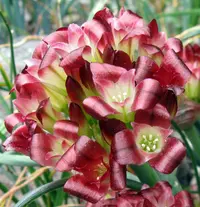
Spanish Needle onion, Allium shevockii, is a small bulb-forming perennial in the onion family, known for its distinctive starry white flowers and slender stems. It usually grows in clumps, giving a delicate, airy look when in bloom.
This species is native to limited rocky habitats in California, where it grows in well-drained, often gravelly soils. Its compact size, summer-dormant bulbs, and preference for dry, sunny conditions can make it a bit challenging for inexperienced growers.
Gardeners who want to learn how to care for Spanish Needle onion should focus on mimicking its natural habitat with bright light, lean soil, and careful watering to avoid rot.

Care Difficulty
Moderate Care

Light Preference
Full Sun

Water Requirements
Low Water

Temperature Preference
Cool Climate

Hardiness Zone
6–9

Soil Texture
Sandy, Loamy, Rocky

Soil pH
Slightly acidic (6.5–7.0), Neutral (7.0)

Soil Drainage
Well-drained

Fertilization
Minimal (feed rarely)
Scan your plant to receive care tips personalized for your specific plant
Available on iOS and Android
Allium shevockii thrives in bright, open sites with strong sun exposure.
This species prefers dry to slightly moist soil and reacts poorly to prolonged wet conditions.
This allium is adapted to continental climates with warm summers and cold winters.
Humidity is not a major factor for this drought-adapted bulb and typical indoor levels are acceptable for Spanish Needle onion.
This species prefers mineral, fast-draining soil that mimics a rocky, mountain habitat.
This species can be grown in containers if the potting setup prioritizes sharp drainage and root protection from excess moisture.
This native bulb needs only light feeding to maintain healthy growth and flowering.
Pruning needs for Allium shevockii are minimal and focus on cleanliness rather than shaping.
This bulb is usually grown in the ground, with transplanting done infrequently to avoid disturbance.
Allium shevockii is most often propagated by seed or careful bulb division.
This species is generally cold hardy in suitable climates and requires limited winter attention.

Plant Health Check
Not sure what's wrong with your plant? Check your plant's health inside the app.
This species is naturally restricted to steep, granitic rock outcrops and cliffs in the southern Sierra Nevada of California, often growing in narrow cracks and ledges where little other vegetation can establish.
It is known only from a very small geographic area in Kern County, California, making it a local endemic whose entire natural distribution is confined to a few mountain sites.
The species name honors James R. Shevock, an American botanist and field collector who documented many rare plants in California, including this onion from remote montane habitats.

This onion is considered globally rare and has been treated as a conservation-priority taxon in California because any disturbance to its few cliffside populations can affect a large proportion of all plants existing in the wild.
Lack of flowers usually comes from insufficient sun exposure, planting the bulbs too deep, or the plant being immature. Poorly drained soil or excessive nitrogen fertilizer diverts energy to leaves instead of flower production.
Keep your plants happy and healthy with plant identification, disease detection, and easy care guidance.