Bulb crowd control
Lift and divide clumps every 3–4 years in late summer when foliage is fully dry, replanting only firm, healthy bulbs to maintain flowering quality and prevent overcrowding.

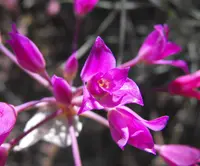
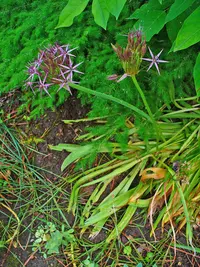
Mexicali onion, Allium peninsulare, is a small bulb-forming perennial from the onion genus, valued for its slender leaves and bright, starry, reddish-purple flower clusters. It typically grows in clumps, sending up wiry stems topped with rounded umbels that attract bees and other pollinators.
This species is native to dry, open habitats in Baja California and parts of the southwestern United States, where it adapts to poor, rocky soils. It is generally easy to grow in well-drained soil with plenty of sun, as long as excess moisture is avoided during dormancy. For gardeners learning how to care for Mexicali onion, its drought tolerance and modest size make it suitable for rock gardens, native plant beds, and low-water landscapes.

Care Difficulty
Easy Care

Light Preference
Full Sun

Water Requirements
Low Water

Temperature Preference
Cold Hardy

Hardiness Zone
6–10

Soil Texture
Sandy, Loamy, Rocky

Soil pH
Slightly acidic (6.5–7.0), Neutral (7.0)

Soil Drainage
Well-drained

Fertilization
Minimal (feed rarely)
Scan your plant to receive care tips personalized for your specific plant
Available on iOS and Android
This bulb from dry western habitats needs strong sun to flower well and stay compact.
This drought-adapted bulb prefers infrequent, deep watering and fast-drying soil.
This western North American bulb handles a wide temperature range but follows a cool-wet, warm-dry seasonal rhythm.
Humidity is not a significant factor for Allium peninsulare, which naturally tolerates dry air.
Allium peninsulare prefers lean, well-drained, mineral-rich soil that mimics its native dry habitats.
This species can be grown in containers if the potting setup prioritizes sharp drainage and bulb protection from excess moisture.
Allium peninsulare grows well in lean soil and usually needs minimal feeding.
Allium peninsulare needs only light pruning to keep clumps tidy and support flowering.
This bulb is usually grown in the ground, so focus on careful transplanting rather than frequent repotting.
Allium peninsulare is commonly propagated by bulb division and by seed.
Allium peninsulare is generally cold hardy in mild to moderate winter climates and needs limited winter care.

Plant Health Check
Not sure what's wrong with your plant? Check your plant's health inside the app.
This species is native to western North America, especially California and Baja California, and is often found on open, dry slopes and coastal grasslands where it can tolerate seasonal drought and thin, rocky soils.
Its flowers have six reddish-purple to magenta tepals (petal-like segments) with a strong midvein and sharply pointed tips, which help distinguish it from many other wild onions with paler or differently shaped flowers.
The umbels of small, nectar-rich flowers provide an important food source for native solitary bees and other small pollinators during late spring to early summer in its natural range.

This wild onion often grows in vernally moist sites that become very dry by summer, using an underground bulb to survive the dry season and re-sprout when favorable moisture returns, an adaptation to Mediterranean-type climates with cool wet winters and hot dry summers.
Lack of flowers usually comes from insufficient sun exposure, overcrowded or undivided bulbs, or nutrient-poor soil. Ensure a sunny position, well-drained ground, and allow a full seasonal cycle so bulbs store enough energy for next year’s bloom.
Keep your plants happy and healthy with plant identification, disease detection, and easy care guidance.