


Encourage Caudex Form
Rotate the pot and lightly pinch back overly long shoots in late winter to early spring so the plant invests more energy into thickening its swollen stem base rather than producing weak, stretched growth.

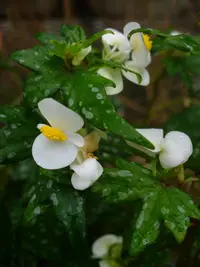
Maple leaf begonia (Begonia dregei) is a compact, shrubby begonia valued for its finely divided, maple-like leaves and delicate white to pale pink flowers. It develops a swollen, woody base called a caudex, which stores water and gives the plant a bonsai-like look.
This species is native to rocky slopes and grasslands in South Africa, where it experiences bright light, good air movement, and sharp drainage. Its drought tolerance and caudex storage make it moderately forgiving, but it dislikes waterlogged soil and sudden temperature extremes.
For those learning how to care for Maple leaf begonia, it suits bright indoor spots with indirect light, lightly moist but fast-draining soil, and protection from cold drafts.

Care Difficulty
Moderate Care

Light Preference
Bright Indirect Light

Water Requirements
Moderate Water

Temperature Preference
Tropical / Frost Sensitive

Hardiness Zone
10–11

Soil Texture
Loamy, Sandy, Organic-rich

Soil pH
Acidic (5.5–6.5), Slightly acidic (6.5–7.0)

Soil Drainage
Moist but well-drained

Fertilization
Light (every 4–6 weeks)
Scan your plant to receive care tips personalized for your specific plant
Available on iOS and Android
This species prefers bright, filtered light that mimics light woodland shade.
This plant prefers evenly moist but not saturated soil, with short dry pauses between waterings.
This species grows best in mild, frost-free conditions with stable temperatures.
This species prefers moderately moist air but adapts to typical home conditions if extremes are avoided.
This species favors a light, airy, fast-draining mix that still holds moderate moisture.
This species grows very well in containers when drainage and stability are managed carefully.
This species benefits from light, consistent feeding during its active season to support compact growth and leaf color in Maple leaf begonia.
Begonia dregei responds well to light, targeted pruning that maintains a compact, branching form.
This species prefers slightly snug pots, so repot only when clear signs of crowding appear.
This plant is commonly multiplied from stem cuttings, which keeps new plants identical to the parent Begonia dregei.
This species is frost sensitive and needs mild, sheltered winter conditions, especially in containers.

Plant Health Check
Not sure what's wrong with your plant? Check your plant's health inside the app.
This species develops a woody, swollen stem base that functions like a caudex, storing water and carbohydrates to help it survive short dry periods in its rocky South African habitat.
Its thickened base, fine branching stems, and small, lobed leaves give it a natural bonsai look, which is why it is frequently grown and shaped as a miniature tree in containers.
The deeply lobed foliage resembles miniature maple leaves, a feature that makes it easy to recognize within the diverse group of tuberous and shrubby begonias.

Begonia dregei is native to South African sandstone and rocky outcrops, often growing in crevices and on cliff faces, which explains its compact, woody growth form and tolerance of relatively bright, exposed conditions compared with many other begonias.
Brown, crispy edges usually come from low humidity, excess fertilizer salts, or irregular watering. Flush the pot with plain water, trim damaged leaves, and maintain steadier moisture and moderate humidity to prevent further stress.
Keep your plants happy and healthy with plant identification, disease detection, and easy care guidance.

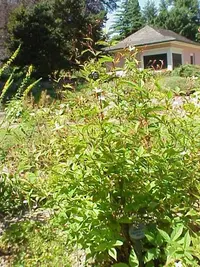
Bowman's root
Gillenia trifoliata
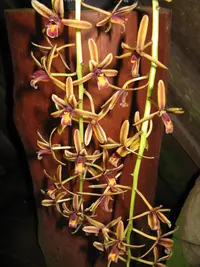
Finlayson's Cymbidium
Cymbidium finlaysonianum
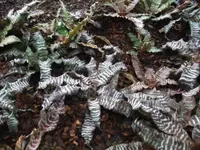
Cryptanthus zonatus
Cryptanthus zonatus
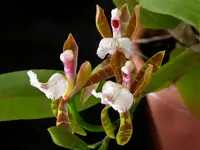
Aspasia epidendroides
Aspasia epidendroides
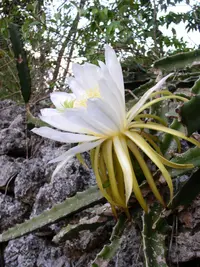
Strawberry Pear
Selenicereus triangularis
Pogonatherum crinitum
Pogonatherum crinitum
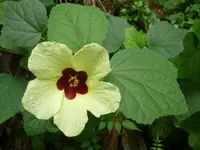
lemonyellow rosemallow
Hibiscus calyphyllus
Bower vine
Pandorea jasminoides