


Mounting technique
Mount plants on a sturdy hardwood slab or in a slatted basket with coarse, fast-draining media, and secure the long, pendulous roots with biodegradable ties so the plant can anchor firmly without damaging new root tips.

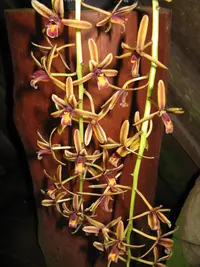
Cymbidium finlaysonianum, commonly called Finlayson's Cymbidium, is a large, epiphytic orchid that often grows hanging from tree branches. It forms long, arching leaves and pendant flower spikes with many waxy, long-lasting blooms.
This species is native to warm, humid forests in Southeast Asia, where it experiences bright light with some shade and good air movement. Its robust nature makes it easier than many orchids, but its size and need for consistent moisture and airflow mean it suits growers with some space and moderate experience.
Those learning how to care for Finlayson's Cymbidium should know it prefers bright, indirect light, regular moisture with good drainage, and a loose, orchid-appropriate growing medium.

Care Difficulty
Moderate Care

Light Preference
Partial Sun

Water Requirements
Regular Water

Temperature Preference
Tropical / Frost Sensitive

Hardiness Zone
11–12

Soil Texture
Sandy, Organic-rich

Soil pH
Acidic (5.5–6.5)

Soil Drainage
Moist but well-drained

Fertilization
Moderate (every 2–4 weeks)
Scan your plant to receive care tips personalized for your specific plant
Available on iOS and Android
This orchid prefers bright, filtered light similar to bright forest canopy conditions.
This species prefers evenly moist but fast-draining conditions around its roots.
This orchid thrives in warm conditions with a mild temperature drop at night.
This orchid prefers moderately humid air but tolerates brief drier periods if roots are well hydrated.
This epiphytic orchid needs a loose, airy medium rather than compact mineral soil.
This species is well suited to container culture when the pot supports its arching, surface-clinging roots.
This epiphytic orchid responds well to light, consistent feeding in the growing season.
Pruning for Cymbidium finlaysonianum focuses on hygiene and maintaining good flowering performance.
Repotting this cymbidium is infrequent but important to prevent crowded, exhausted medium.
Division is the standard and most reliable method of propagation for this species.
Cold sensitivity means this orchid needs structured winter care in most temperate climates.

Plant Health Check
Not sure what's wrong with your plant? Check your plant's health inside the app.
This species often grows as a lithophyte on exposed limestone cliffs in Southeast Asia, sending its long, arching pseudobulbs and foliage cascading downward rather than upright.
In mature plants the inflorescences can reach well over 1 m in length, bearing many small, fragrant flowers arranged along the drooping spike, an adaptation that helps present nectar and pollen to passing insects.
In the wild it frequently occurs along rivers and stream valleys, where strong air movement, bright light, and high humidity create the conditions needed for this epiphytic orchid to thrive.

Historical records show that this species has been cultivated in parts of Southeast Asia for more than a century, and traditional growers often suspend it in high, airy positions under house eaves or on verandas to showcase its extremely long, hanging flower spikes.
This species usually blooms in late winter to spring, producing long, pendant flower spikes. In warm climates with stable conditions and good nutrition, it can flower once a year, occasionally twice on well-established clumps.
Keep your plants happy and healthy with plant identification, disease detection, and easy care guidance.

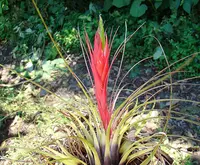
Tillandsia punctulata
Tillandsia punctulata
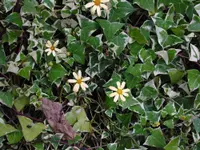
Variegated Wax Ivy
Senecio macroglossus
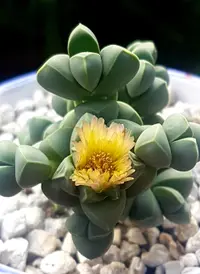
ice plant
Delosperma lehmannii
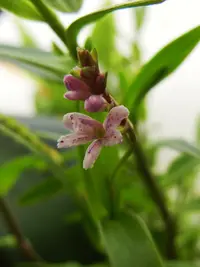
Epidendrum fimbriatum
Epidendrum fimbriatum
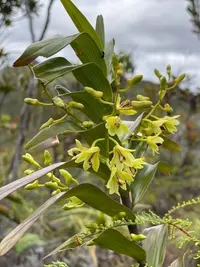
Dendrobium closterium
Dendrobium closterium
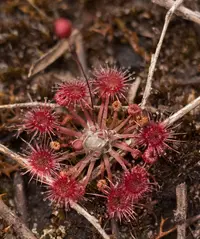
pygmy sundew
Drosera pygmaea
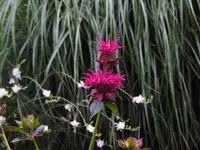
Bee Balm
Monarda didyma 'Raspberry Wine'
Bulbophyllum occlusum
Bulbophyllum occlusum