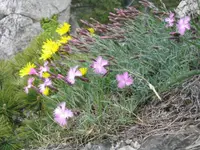
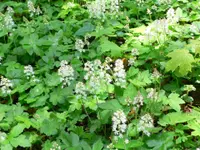
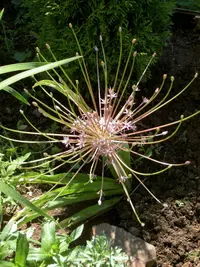
Bowman's root Care (Gillenia trifoliata)

Also known as: mountain indian-physic, fawn's breath
Bowman's root

About Bowman's root

Bowman's root (Gillenia trifoliata) is a hardy herbaceous perennial grown mainly for its airy white flowers and fine, divided foliage. It forms upright, bushy clumps that give a light, transparent look in mixed borders.

In the wild, it occurs in open woods and rocky slopes in eastern North America. The plant produces numerous starry, white to pale pink blooms on slender red-tinted stems, followed by attractive seed heads and reddish fall color.

This species is considered fairly easy to grow once established, as it is long-lived, resilient, and rarely troubled by pests or diseases. It prefers sun to light shade, moderate moisture, and well-drained, slightly acidic soil, which guides how to care for Bowman's root.

Main Plant Requirements

Care Difficulty

Easy Care

Light Preference

Partial Shade

Water Requirements

Moderate Water

Temperature Preference

Cold Hardy

Hardiness Zone

4–8

Soil Texture

Loamy, Sandy, Organic-rich

Soil pH

Acidic (5.5–6.5), Slightly acidic (6.5–7.0)

Soil Drainage

Moist but well-drained

Fertilization

Minimal (feed rarely)

Get Personalized Care Plan

Scan your plant to receive care tips personalized for your specific plant

Available on iOS and Android

How to Care for the Bowman's root

This woodland perennial prefers bright but gentle light for best growth and flowering.

  • Provide 3–5 hours of morning sun with light afternoon shade; dappled or filtered light under open trees suits Bowman's root well.
  • In cooler climates it tolerates more direct sun, but in hot summers protect from harsh midday and late-afternoon exposure to prevent leaf scorch.
  • In deep shade stems become weak and flowering declines, so reposition clumps if you see stretched, leaning growth or sparse blooms.

This plant prefers consistently moist, well-drained soil rather than very wet or very dry conditions.

  • Water when the top 3–5 cm of soil feels dry, aiming for evenly damp soil that never stays waterlogged.
  • During hot, dry periods increase watering frequency, while in cool or rainy seasons reduce watering so the root zone can partially dry between soakings.
  • Signs of overwatering include yellowing lower leaves and soft stems; curled, crispy leaf edges and drooping in dry soil indicate underwatering in Gillenia trifoliata.

This hardy perennial tolerates a wide temperature range but grows best in mild conditions.

  • Optimal active growth occurs around 60–75°F (16–24°C), typical of late spring and early summer in many temperate gardens.
  • Established plants tolerate winter lows near 0°F (−18°C) in the ground, dying back to the roots and re-sprouting in spring.
  • In hot spells above 85°F (29°C), provide extra mulch and moisture; prolonged extreme heat with dry soil can cause leaf scorch and reduced flowering.

This species is adaptable and humidity is rarely a limiting factor in typical outdoor conditions.

This perennial prefers evenly moist, humus-rich, well-drained soil that mimics a light woodland edge.

  • Use a loose loam with plenty of organic matter, such as garden soil mixed with compost and leaf mold, to support steady moisture without becoming heavy.
  • Ensure sharp drainage by avoiding compacted clay; incorporate coarse sand or fine grit if water lingers after rain.
  • Aim for slightly acidic to neutral pH (6.0–7.0), which suits Gillenia trifoliata and keeps nutrients available.
  • Avoid waterlogged or very shallow, stony sites where roots dry out quickly or sit in standing water.

This species can be grown in containers, but the pot must support its fibrous root system and upright growth.

  • Choose a deep, stable container that is at least 30–35 cm wide so the clump can form without becoming quickly crowded.
  • Use a heavier material such as ceramic or clay to reduce tipping as stems elongate and catch wind.
  • Elevate the container slightly on pot feet or bricks so drainage holes stay clear and excess water escapes quickly after rain.

This perennial thrives in average garden soil and needs only light feeding to perform well.

  • Apply a light top-dressing of compost or well-rotted manure in early spring to support fresh growth.
  • If growth seems weak, use a balanced slow-release fertilizer (around 10-10-10) once in spring, following label rates.
  • For container-grown Bowman's root, use a half-strength balanced liquid feed every 4–6 weeks in the growing season.
  • Avoid feeding in late fall and winter, when the plant is dormant and nutrient demand is low.

Gillenia trifoliata benefits from minimal, well-timed pruning to keep clumps tidy and flowering well.

  • Cut back dead or damaged stems at ground level in late winter or very early spring before new growth emerges.
  • After flowering, shear lightly if desired to maintain a neat, rounded shape without removing too much foliage.
  • Thin out a few crowded or weak stems at the base to improve air flow and reduce fungal problems.
  • Use clean, sharp hand pruners and make cuts just above healthy buds or close to the crown.

This species is usually grown in-ground, so transplanting established clumps is more relevant than frequent repotting.

  • Look for signs such as slow growth, congested crowns, or roots circling a container to decide when to move or divide plants.
  • Transplant or divide in early spring or early fall, when temperatures are mild and soil moisture is steady.
  • Carry a generous root ball, disturb roots as little as possible, and replant at the same depth in well-drained soil.
  • Water thoroughly after planting, then keep soil evenly moist for several weeks to reduce transplant shock.

Gillenia trifoliata is most often propagated by division, though seeds are also possible for patient growers.

  • Divide mature clumps in early spring or early fall, lifting and splitting the root mass into sections with several buds each.
  • Replant divisions promptly into moist, well-drained soil, keeping crowns at the same depth and watering well.
  • Sow fresh seed in fall or use cold stratification, then germinate in a cool, bright place with lightly moist medium.
  • Softwood cuttings in late spring can root in a humid, shaded environment using a free-draining, low-nutrient mix.

This perennial is generally cold hardy in temperate climates and needs only modest winter care once established.

  • Tolerates typical frost in USDA zones 4–8, with top growth dying back naturally after hard freezes.
  • After foliage blackens, cut stems down to just above ground level to keep the bed clean and reduce disease carryover.
  • Apply a 5–8 cm layer of mulch over the root zone in late fall, especially for new plantings or in colder sites.
  • Move container-grown plants into a sheltered, unheated space that stays above about 25°F to prevent root damage.

Care Tips

Early spring cutback

In late winter or very early spring, cut back the previous year’s stems to just above the basal buds to keep the clump compact and encourage a dense flush of fresh foliage and flowers.

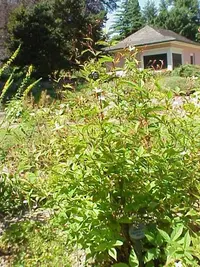
Discreet staking method

In windy sites, insert low, ring-style supports or a few discreet green stakes around the clump in early spring so the emerging stems can grow through and remain upright without looking artificially tied.

Mulch for root comfort

Apply a 5–7 cm layer of shredded bark or leaf mold around, but not touching, the crowns to keep roots cool, reduce heaving in freeze–thaw cycles, and maintain the evenly moist conditions this species prefers.

Division for longevity

Every 4–5 years, divide crowded clumps in early spring, replanting only the healthiest outer sections, which helps maintain vigor and offers a reliable way to grow Bowman's root in additional spots.

Seedling management

If self-sown seedlings appear in surrounding beds, thin or transplant them while small so they do not compete with the parent plant and can be positioned where their airy habit is best appreciated.

Common Pests and Diseases

Powdery mildew

This disease appears in humid, stagnant air as a white, talc-like coating on leaves and stems. Symptoms include distorted new growth and a dull, grayish cast on foliage.

Solution

Remove the worst-affected leaves and improve air circulation by thinning nearby plants and avoiding crowding. Water at soil level in the morning, keep foliage dry where possible, and use a sulfur or potassium bicarbonate fungicide labeled for ornamental perennials if mildew continues to spread.

Leaf spot

This disease causes small brown or purplish spots on leaves that may merge into larger blotches, sometimes with yellowing around them. Symptoms include premature leaf drop, especially in prolonged wet weather.

Solution

Prune out and discard heavily marked leaves and any fallen debris to reduce the source of infection. Water at the base, avoid overhead irrigation in the evening, and in seasons with persistent wet conditions consider a preventive copper or chlorothalonil spray following label instructions for Gillenia trifoliata care in mixed perennial borders.

Slugs and snails

These pests chew irregular holes in young leaves and can completely remove soft new shoots at soil level. Symptoms include slime trails on soil or stems and damage that appears overnight.

Solution

Hand-pick at dusk or early morning, and use physical barriers such as copper tape or sharp grit around clumps. In damp, slug-prone gardens, place beer traps or use iron phosphate slug pellets labeled for ornamental use, applied according to directions around but not touching the crowns.

Aphids

These insects cluster on young stems and leaf undersides, sucking sap and causing curling or distortion of the foliage. Symptoms include sticky honeydew on leaves and sometimes sooty black mold growing on that residue.

Solution

Rinse colonies off with a firm stream of water, repeating every few days until numbers drop. For persistent infestations, apply insecticidal soap or a light horticultural oil to all plant surfaces, targeting the undersides of leaves and tender shoot tips while avoiding spraying in high heat or direct midday sun.

Interesting Facts

Light, airy flowers

This species produces very delicate, star-shaped white flowers with long, threadlike sepals that give the plant a fine, frothy appearance in bloom, unlike the dense flower clusters of many other North American perennials.

Distinct three-part leaves

Its leaves are characteristically divided into three narrow leaflets, which explains the species name trifoliata and gives the plant a refined, almost fernlike texture in garden plantings.

Native woodland edges

Gillenia trifoliata is naturally found in open woods, woodland edges, and rocky slopes in eastern North America, where it is adapted to dappled light and well-drained, often slightly acidic soils.

Botan icon

Did you know?

Gillenia trifoliata was traditionally placed in its own small genus Gillenia but is closely allied to Spiraea within the rose family (Rosaceae), which makes its delicate, airy form and starry flowers quite distinct from the more typical, shrubby spireas familiar in ornamental horticulture.

FAQs about Bowman's root

Poor flowering usually comes from too much shade, overly rich nitrogen fertilizer, or plants that are still immature. Ensure it has several years to establish, moderately fertile soil, and do not remove foliage too early in spring.

Grow Healthy Plants with Botan Care

Keep your plants happy and healthy with plant identification, disease detection, and easy care guidance.

Botan plant care app — identify plants on mobile

Explore More Plants