Pinch For Bushiness
Pinch out soft stem tips with clean fingers every 3–4 weeks during active growth to keep plants compact, encourage side shoots, and increase flower production.

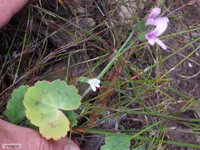
Lady’s mantle-leaved pelargonium (Pelargonium alchemilloides) is a low, spreading perennial often grown as a houseplant or seasonal bedding plant. It belongs to the geranium family and forms loose mats of rounded, softly scalloped leaves. The foliage may show darker zoning and the plant produces small, pale pink to white flowers on slender stems, giving a light, informal look. In nature it is native to South Africa, where it grows in open, sunny spots with well-drained soils. Its tolerance of pruning, moderate drought, and variable light makes it reasonably forgiving for beginners who want to learn how to care for lady’s mantle-leaved pelargonium.

Care Difficulty
Easy Care

Light Preference
Full Sun

Water Requirements
Low Water

Temperature Preference
Tropical / Frost Sensitive

Hardiness Zone
10–11

Soil Texture
Sandy, Loamy, Organic-rich

Soil pH
Slightly acidic (6.5–7.0), Neutral (7.0)

Soil Drainage
Well-drained

Fertilization
Light (every 4–6 weeks)
Scan your plant to receive care tips personalized for your specific plant
Available on iOS and Android
This species prefers bright conditions with some protection from intense midday sun.
This plant prefers moderate, well-timed watering rather than constantly wet soil.
This species grows best in mild, frost-free conditions with moderate warmth.
This species prefers relatively dry air and usually does well in 30–50% humidity.
Provide a light, sharply drained growing medium to reduce root diseases.
This species is well suited to container growing outdoors on patios, balconies, or sunny steps.
This species responds well to modest feeding during active growth but does not need heavy fertilization.
Thoughtful pruning keeps Pelargonium alchemilloides compact, leafy, and free-flowering.
Container-grown plants benefit from occasional repotting to refresh the root zone and growing space.
This species is commonly propagated from stem cuttings and sometimes from seed for larger batches of plants.
Cold conditions limit outdoor survival, so winter care focuses on avoiding frost damage and preserving stock plants.

Plant Health Check
Not sure what's wrong with your plant? Check your plant's health inside the app.
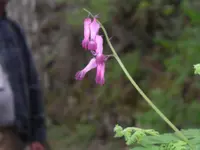
This species naturally produces flowers in shades of white, pink, or mauve, often with darker streaks or spots on the upper petals, and individual plants in wild populations can vary noticeably in color and markings.
It often grows as a low, spreading groundcover with slender, creeping stems that root at the nodes, helping it stabilize soil on open, sandy or disturbed sites in its native range in southern Africa.
The rounded, softly lobed leaves resemble those of the perennial herb Alchemilla (lady’s mantle), which is reflected in the species name alchemilloides, meaning “resembling Alchemilla.”

This species is one of the few pelargoniums that commonly behaves as a lawn or pasture weed in parts of South Africa, persisting even under regular mowing and grazing due to its low growth form and ability to resprout from surviving stem and root fragments.
This species forms a low, spreading mat through short runners but is usually not aggressively invasive in typical garden settings. In very mild climates it can self-seed and slowly expand, so light edging or division controls spread.
Keep your plants happy and healthy with plant identification, disease detection, and easy care guidance.