English Lavender Care (Lavandula angustifolia 'Munstead')

Also known as: Lavender

About English Lavender

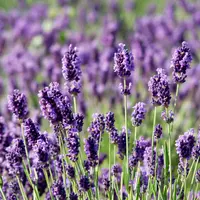
English lavender, Lavandula angustifolia 'Munstead', is a compact, woody, evergreen subshrub grown mainly for its fragrant foliage and purple flower spikes. It typically forms a low, rounded mound with narrow gray-green leaves and blooms in dense clusters that attract bees and other pollinators.

This cultivar originates from Mediterranean climates, so it is naturally adapted to sunny, dry, and well-drained conditions. Its drought tolerance and modest nutrient needs make it relatively easy in the garden when drainage is good.

Understanding how to care for English Lavender starts with providing strong light, low to moderate watering, and airy soil that does not stay wet for long periods.

Main Plant Requirements

Care Difficulty

Moderate Care

Light Preference

Full Sun

Water Requirements

Low Water

Temperature Preference

Cold Hardy

Hardiness Zone

5–9

Soil Texture

Sandy, Loamy, Rocky

Soil pH

Slightly acidic (6.5–7.0), Slightly alkaline (7.0–7.5)

Soil Drainage

Well-drained

Fertilization

Minimal (feed rarely)

Get Personalized Care Plan

Scan your plant to receive care tips personalized for your specific plant

Available on iOS and Android

How to Care for the English Lavender

This compact lavender thrives in strong, direct light and needs plenty of sun to flower well.

  • Provide 6–8 hours of full sun daily; in hot inland climates, give morning sun with light afternoon shade to reduce heat stress.
  • Plant in an open, unshaded spot; English Lavender in too much shade becomes leggy, produces fewer blooms, and develops weaker fragrance.
  • In summer, monitor for leaf scorch or overly baked soil near walls or paving; in winter, ensure it still receives at least 4–5 hours of unobstructed light.

This drought-tolerant lavender prefers infrequent, deep watering and very fast-draining soil.

  • Outdoors in the ground, water only when the top 3–5 cm of soil are completely dry, then soak the root zone and let excess drain away.
  • Use sharply drained soil or a raised bed; standing water, heavy clay, or regularly soggy soil quickly lead to root rot in Lavandula angustifolia 'Munstead'.
  • Reduce watering sharply in cool or rainy seasons and watch for yellowing, limp growth as a sign of overwatering, or dull, drooping stems as a sign of underwatering.

This hardy lavender prefers moderate warmth and cool, dry conditions over high heat and humidity.

  • Optimal growth occurs around 60–75°F (16–24°C), with good flowering in regions that have warm days and cooler, drier nights.
  • Established plants tolerate down to about 10–15°F (-12–-9°C) with good drainage; young plants need protection from severe or sudden freezes.
  • In hot summers above 90°F (32°C), provide airflow and avoid reflective heat from walls or stone, which can overheat roots and stress foliage.

This cultivar prefers dry, airy conditions and usually thrives in 30–40% humidity without special measures.

  • Tolerates household dry air well and is more likely to suffer from excess humidity than from low humidity.
  • High humidity combined with poor air movement can cause leaf spotting, gray mold, or a musty smell around the foliage.
  • Increase air circulation with a fan or open window instead of misting, which raises humidity and encourages fungal problems for English Lavender.

Lavandula angustifolia 'Munstead' needs lean, fast-draining, mineral-based soil that never stays waterlogged.

  • Use a sandy or gritty mix such as 50–60% cactus mix with 40–50% coarse sand or fine gravel for sharp drainage.
  • Keep pH slightly alkaline to neutral, around 7.0–7.5, by avoiding peat-heavy mixes and optionally adding a small amount of garden lime.
  • Limit compost to a thin fraction of the mix; too much organic matter holds excess moisture and encourages weak, lush growth.
  • Improve aeration and drainage further by blending in extra perlite or pumice, and avoid compacted or clay-heavy soils that retain water.

This species is well suited to container growing when planted in a stable, free-draining setup.

  • Choose a heavy clay or ceramic pot to counterbalance the woody, top-heavy growth and reduce the risk of tipping in strong wind.
  • Select a pot that is wider than it is deep to match the shallow, spreading root system and keep the root zone evenly aerated.
  • Raise the container slightly on pot feet or bricks so drainage holes clear the ground, allowing water to exit quickly and preventing base rot.

This compact lavender prefers lean soil and only light feeding to stay healthy and aromatic.

  • Use a low-dose, balanced NPK fertilizer or a small amount of compost in early spring for established plants.
  • Feed container-grown English Lavender once in spring and once in mid-summer, at half the label strength.
  • Avoid high-nitrogen products, which cause lush, floppy growth and fewer flowers.
  • Stop feeding in late summer so new growth hardens before winter dormancy.

Thoughtful pruning keeps Lavandula angustifolia 'Munstead' dense, long-lived, and free-flowering.

  • Prune just after main flowering, usually mid- to late summer, then lightly tidy in early spring if needed.
  • Remove spent flower stalks, dead or damaged stems, and very woody, leafless branches.
  • Shape the plant into a low dome by cutting back soft growth, but always leave green foliage on each stem.
  • Use clean, sharp hand pruners and make cuts above leafy nodes to encourage branching and more blooms.

Container-grown plants and new garden plantings benefit from careful transplanting to maintain vigor.

  • Plan to repot every 2–3 years when roots circle the pot, growth slows, or soil dries out very quickly.
  • Move plants in spring or early fall so Lavandula angustifolia 'Munstead' can establish before heat or hard frost.
  • Choose a pot just 2–5 cm wider with excellent drainage and a gritty, well-drained mix.
  • Water thoroughly after moving, then keep soil slightly dry, avoiding waterlogging while new roots recover.

This lavender is commonly propagated from cuttings to maintain cultivar traits and compact form.

  • Take non-flowering softwood or semi-ripe cuttings in late spring to late summer.
  • Cut 7–10 cm shoots, remove lower leaves, and insert into a free-draining mix of sand and compost or perlite.
  • Provide bright, indirect light, good air circulation, and slightly moist, not wet, substrate for rooting.
  • Seeds can be sown in late winter to spring but may not come true to the named cultivar.

Munstead lavender is fairly cold hardy but benefits from simple winter care in colder regions.

  • Plants in the ground usually tolerate light to moderate frosts in well-drained soil.
  • Apply a light, dry mulch around the root zone in late fall, keeping mulch off the woody crown.
  • Avoid heavy pruning in late fall, as tender new growth is more vulnerable to freezing.
  • Move containers to a sheltered, unheated spot and keep soil barely dry through winter.

Care Tips

Improve Air Circulation

Space plants 30–45 cm apart and avoid solid edging or dense companion plants so air can move freely around the foliage, which reduces fungal issues and keeps the woody base dry.

Encourage Bushy Shape

Pinch or lightly shear soft new growth by 2–3 cm after the first flush of flowers to promote a compact, dome-shaped plant with more flowering stems the following season.

Use Mineral Mulch

Instead of organic mulch, apply a thin 1–2 cm layer of gravel or coarse sand around the crown to keep the base dry, reflect heat, and mimic the plant’s natural rocky habitat.

Plan For Renewal

Every 4–6 years, start new plants from semi-ripe cuttings taken in late summer so older, woody clumps can be replaced before they become leggy and low-flowering.

Winter Wet Protection

In regions with cold, wet winters, plant on a low mound or in a raised bed and gently slope the soil surface away from the crown so excess water drains off and roots avoid prolonged saturation when growing English Lavender.

Common Pests and Diseases

Spittlebugs

This pest hides inside white, frothy masses on stems and leaf bases, where the nymphs feed on plant sap. Symptoms include unsightly foam and occasional mild distortion or stunting of new growth.

Solution

Physically remove foam masses by hand or spray them off with a firm stream of water, repeating as needed. Keep plants well spaced and lightly prune congested areas so stems dry quickly, which makes the environment less favorable for spittlebugs when caring for English Lavender.

Leafhoppers

These insects are small, fast-moving, and wedge-shaped, often found on the underside of leaves, sucking sap and causing pale speckling or a bleached look. Symptoms include reduced vigor and in some cases transmission of leaf yellows pathogens.

Solution

Rinse plants with water to dislodge insects and encourage natural predators by avoiding broad-spectrum insecticides nearby. If populations stay high, use a targeted insecticidal soap or ready-to-use neem-based product, applied in the evening and repeated according to label directions.

Phomopsis blight

This disease causes dieback of individual stems, starting with browning tips that progress downward, often with black or dark brown streaks or lesions. Symptoms include sudden collapse of affected shoots, especially after prolonged wet or humid weather.

Solution

Cut out and discard affected stems well into healthy wood, disinfecting pruners between cuts with alcohol or a 10% bleach solution. Improve air circulation, keep foliage dry by watering at soil level, and avoid overhead irrigation; in severe, recurrent cases, remove heavily affected plants to prevent spread.

Septoria leaf spot

This disease produces small, circular brown or gray spots with darker margins on older leaves, which can yellow and drop prematurely. Symptoms include thinning foliage and a generally tired appearance, especially in crowded or overwatered plants.

Solution

Remove and dispose of spotted leaves and any leaf litter around the plant to reduce fungal spores. Space plants to improve airflow, water at the base in the morning, and avoid wetting foliage; consider replacing heavily affected, chronically damp plants with new ones in a sunnier, better-drained location.

Shab disease

This disease, caused by a Phoma species, leads to sudden browning and death of shoots, often starting at pruning wounds or damaged areas. Symptoms include black pinhead-like fruiting bodies on dead stems and progressive dieback of sections of the plant.

Solution

Prune out and destroy all affected stems, cutting back into healthy tissue and disinfecting tools between cuts. Avoid pruning in prolonged wet weather, maintain good drainage, and if dieback continues or reaches the base, remove the entire plant and avoid replanting lavender in the same spot for several years.

Interesting Facts

Compact hardy selection

This cultivar was selected in England in the early 1900s for its compact, low-growing habit and reliable cold hardiness compared with many other English lavender forms.

Early, long bloom period

It typically flowers earlier in summer than many other L. angustifolia cultivars and can continue producing blooms for several weeks under good conditions, which makes it especially valued in cooler summer climates.

Stable true-lavender color

The flowers show a consistent soft violet-lavender tone that tends to remain relatively stable through the flowering period, making it a standard reference color for many breeding and garden design choices involving English lavender.

Botan icon

Did you know?

Lavandula angustifolia 'Munstead' is historically associated with the influential English garden designer Gertrude Jekyll, who grew and promoted this specific clone in her garden at Munstead Wood, helping establish it as one of the classic cottage-garden lavenders still widely propagated today.

FAQs about English Lavender

Poor flowering usually comes from pruning at the wrong time, excessive nitrogen fertilizer, or lack of winter chill. Avoid hard pruning in spring, use lean soil, and ensure plants experience a cool dormant period for reliable buds.

Grow Healthy Plants with Botan Care

Keep your plants happy and healthy with plant identification, disease detection, and easy care guidance.

Botan plant care app — identify plants on mobile

Explore More Plants