aspen bolete Care (Leccinum insigne)

aspen bolete

About aspen bolete

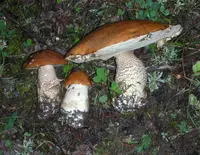
Aspen bolete, Leccinum insigne, is a wild ectomycorrhizal mushroom that forms a close association with aspen and related poplar trees. It fruits from the ground, not on wood, often in scattered groups near host tree roots.

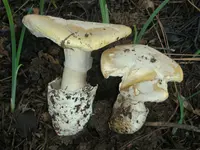
The cap is usually warm brown to orange-brown, with a firm, pale stem covered in small dark scales. This species appears mainly in cooler regions of North America where aspens grow.

Its life cycle depends on living tree partners, so it is not practical to cultivate in a typical garden or pot. For those studying how to care for aspen bolete, conditions must mimic natural aspen woodland with undisturbed, moist, well-drained soil rich in organic matter.

Main Plant Requirements

Care Difficulty

Hard Care

Light Preference

Partial Shade

Water Requirements

Regular Water

Temperature Preference

Cool Climate

Hardiness Zone

3–7

Soil Texture

Loamy, Sandy, Organic-rich

Soil pH

Acidic (5.5–6.5)

Soil Drainage

Moist but well-drained

Fertilization

Minimal (feed rarely)

Get Personalized Care Plan

Scan your plant to receive care tips personalized for your specific plant

Available on iOS and Android

How to Care for the aspen bolete

Leccinum insigne forms fruiting bodies best in bright, dappled woodland light rather than full exposure.

  • Aim for 3–6 hours of filtered or light morning sun under deciduous trees, with shade or broken light during the strongest midday hours.
  • Tolerates partial shade, but dense, deep shade often reduces mushroom production and can lead to thin, elongated stems.
  • Avoid prolonged, intense afternoon sun on open ground, which can overheat and dry the substrate, causing caps to crack and fruiting to abort.

This ectomycorrhizal fungus depends on steady, moderate soil moisture around its host tree roots.

  • Maintain soil that feels slightly moist 5–10 cm down; allow the surface to dry lightly between rains or irrigations to avoid stagnant conditions.
  • Use deep, infrequent irrigation that mimics natural rainfall, especially during dry spells, and ensure soil drains freely without standing water.
  • Watch for overwatering signs such as sour smell, mossy crust, or tree stress, and underwatering signs like dusty soil and few or no fruiting bodies.

This species fruits best in cool to mild conditions typical of late spring to early fall woodlands.

  • Optimal fruiting usually occurs around 55–70°F (13–21°C), especially after rains followed by several days of stable, mild weather.
  • Mycelium in soil can persist near 32°F (0°C), but aboveground fruiting bodies are damaged by hard frost and do not tolerate freezing well.
  • Growth slows above 75–80°F (24–27°C); extended heat combined with dry conditions often halts fruiting until cooler, wetter weather returns.

Humidity is not a meaningful control factor for aspen bolete, which grows outdoors in natural woodland conditions.

This ectomycorrhizal fungus depends on naturally structured forest soil rather than a standard potting medium.

  • Prefers loose, organic-rich, well-aerated woodland soil with a mix of leaf litter, fine roots, and mineral particles rather than compacted ground.
  • Requires steady drainage where water moves through within minutes after rain but the upper 5–10 cm still stay slightly moist, not waterlogged.
  • Grows best in slightly acidic soil, roughly pH 5.0–6.5, often under aspen or poplar where natural leaf fall maintains that acidity.
  • To mimic suitable conditions for Leccinum insigne, avoid tilling or heavily amending the soil; instead, top-dress with decomposing leaves and small wood pieces to build structure over time.

This species is not realistically suitable for container growing because it relies on complex root partnerships with trees in undisturbed soil.

This mycorrhizal fungus grows with host tree roots and normally needs no direct fertilization.

Leccinum insigne does not require pruning because it is a wild mycorrhizal mushroom rather than a managed ornamental plant.

Transplanting focuses on the host tree and soil, since this fungus lives on roots and is not grown as a potted specimen.

  • Choose early spring or fall to transplant young host trees, when temperatures are mild and moisture is reliable.
  • Minimize root disturbance and keep as much native soil around the roots as possible to preserve fungal connections.
  • Water thoroughly after transplanting and maintain even soil moisture to reduce stress on the tree–fungus partnership.
  • Avoid frequent moves; allow the site to remain stable so the underground mycelium can establish fully.

Reproduction of Leccinum insigne is complex and not dependable with simple home methods, so deliberate propagation is rarely attempted.

This species is naturally cold hardy in its native range and does not require special winter care beyond normal woodland conditions.

Care Tips

Host tree choice

Select and maintain healthy aspen or closely related poplar trees, since this fungus is mycorrhizal and will not fruit reliably without a compatible, vigorous host.

Minimal soil disturbance

Avoid tilling, raking deeply, or compacting the soil within 1–2 m of host tree trunks, as fine feeder roots and fungal mycelium near the surface are easily damaged and fruiting can decline.

Leaf litter management

Leave a thin, continuous layer of natural leaf litter under host trees, removing only thick, soggy mats and replacing them with a loose layer 2–5 cm deep to balance moisture retention and gas exchange.

Targeted supplemental watering

In extended dry spells, irrigate the root zone of the host trees slowly and deeply rather than wetting caps or nearby grass so the mycorrhizal zone stays evenly moist without waterlogging.

Fruiting body hygiene

Harvest mushrooms by gently cutting at the base and promptly removing decaying or insect-ridden specimens from the area to reduce pest buildup and support a cleaner environment for growing aspen bolete.

Common Pests and Diseases

Mycena contamination

This disease involves small Mycena mushrooms colonizing developing aspen bolete fruiting sites and competing for nutrients. Symptoms include clusters of tiny, fragile, pale mushrooms appearing around or on the intended Leccinum fruiting area, with poor or aborted bolete development.

Solution

Remove contaminated substrate and any visible Mycena fruiting bodies, then adjust moisture so the substrate stays evenly damp but not waterlogged. Improve hygiene by using clean tools, fresh substrate, and, if cultivating, working in a cleaner environment to reduce spore load, and discard heavily invaded blocks instead of trying to recover them.

Trichoderma green mold

This disease is caused by Trichoderma fungi, which form dense, bright to dark green patches on substrate or around bolete primordia. Symptoms include a strong earthy odor, rapid spread of green mold, and failure of Leccinum pins to develop or survive.

Solution

Physically remove and discard heavily colonized substrate or bags, and lower ambient humidity slightly while increasing fresh air exchange to reduce stagnant, mold-favoring conditions. Sterilize tools and nearby surfaces, avoid splashing water between blocks, and in future cycles use well-pasteurized or sterilized substrate and a cleaner inoculation process as part of careful Leccinum insigne care instructions.

Fungus gnat larvae

These insects lay eggs in moist, organic substrates, and the larvae feed on fungal mycelium and young bolete tissue. Symptoms include hollowed or tunneled stipes, soft spots at the base of fruiting bodies, and small black adult gnats flying around the growing area.

Solution

Use fine mesh screens and sticky cards to reduce adult gnats, and allow the surface of the substrate to dry very slightly between mistings to disrupt egg and larval survival while still maintaining internal moisture. Remove and discard heavily damaged mushrooms, and consider using biological controls such as Bacillus thuringiensis israelensis (Bti) in the watering regimen for larger or repeated cultivation setups.

Slugs and snails

These pests feed directly on developing boletes, especially caps and pore surfaces. Symptoms include irregular chew marks, missing sections of cap tissue, slime trails on mushrooms or substrate, and sometimes complete loss of small fruiting bodies overnight.

Solution

Hand-pick slugs and snails in the evening or early morning and remove nearby debris, boards, or dense ground cover that shelters them. In outdoor or semi-outdoor beds, use copper barriers, coarse grit rings, or iron phosphate baits placed away from the main fruiting zone to reduce pressure without contaminating the harvest area.

Interesting Facts

Poplar specialist

This bolete forms ectomycorrhizal partnerships almost exclusively with aspen and other poplars in North America, which is why it is most often found in pure or mixed aspen stands rather than under oaks or conifers.

Bruising color pattern

Its pores and flesh often change color when handled, typically showing grayish or brownish discoloration rather than the bright blues seen in some other Leccinum species, which mycologists use as a key identification trait.

Regionally debated edibility

Although many field guides list it as edible and it has traditional use in some areas, there are also documented cases of gastric upset, so some mycologists now recommend extra caution and thorough cooking when considering how to take care of aspen bolete during preparation and consumption.

Botan icon

Did you know?

Leccinum insigne often appears in large, localized flushes that are strongly tied to the health and age of its associated aspen stands, so when an aspen grove is cut or declines, the distinctive fruiting of this species can disappear from that site for many years or permanently.

FAQs about aspen bolete

This mushroom is considered edible when properly cooked, but quality varies and some people report digestive upset. Always cook thoroughly, avoid very old or insect-damaged fruiting bodies, and never eat specimens that are not confidently identified.

Grow Healthy Plants with Botan Care

Keep your plants happy and healthy with plant identification, disease detection, and easy care guidance.

Botan plant care app — identify plants on mobile

Explore More Plants