Carbonicola myrmecina Care

Carbonicola myrmecina

About Carbonicola myrmecina

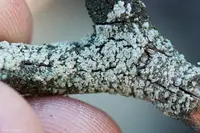
Carbonicola myrmecina is a lesser-known, specialized plant associated with ant habitats, often found in nutrient-poor, carbon-rich substrates. It tends to stay low and compact, forming modest patches rather than tall, showy growth.

In nature, it is recorded from localized regions and typically occurs in microhabitats with stable moisture and limited disturbance. This niche lifestyle means gardeners should research carefully to understand how to care for Carbonicola myrmecina before attempting cultivation.

It generally prefers cool, moist conditions, low to moderate light, and a loose, well-drained but consistently damp substrate that does not dry out completely.


Main Plant Requirements

Care Difficulty

Moderate Care

Light Preference

Partial Shade

Water Requirements

Moderate Water

Temperature Preference

Warm Climate

Hardiness Zone

Unknown

Soil Texture

Loamy

Soil pH

Slightly acidic (6.5–7.0)

Soil Drainage

Well-drained

Fertilization

Minimal (feed rarely)

Get Personalized Care Plan

Scan your plant to receive care tips personalized for your specific plant

Available on iOS and Android

How to Care for the Carbonicola myrmecina

This species prefers bright, gentle light that mimics a lightly shaded forest edge.

  • Provide 3–5 hours of soft morning sun with bright, filtered light for the rest of the day; avoid intense afternoon sun that can scorch foliage.
  • Allow partial shade, especially in hotter regions, but monitor for weak, elongated growth as a sign of insufficient light.
  • Adjust seasonally: give more open exposure in autumn–winter and light dappled shade under taller plants in summer for stable Carbonicola myrmecina care.

This plant prefers steadily moist but never waterlogged soil.

  • Water when the top 2–4 cm of soil feel dry, using enough water to moisten the full root zone, then let excess drain away completely.
  • Reduce watering frequency in cooler months, keeping soil just slightly moist, and increase slightly during active warm-season growth if conditions are windy or very sunny.
  • Watch for signals: yellowing, soft leaves and a sour soil smell suggest overwatering, while crisping leaf edges and slow recovery after heat indicate underwatering.

Stable, mild temperatures support healthy growth and root function.

  • Aim for an optimal range of 65–80°F (18–27°C) during the growing season to support steady metabolic activity in Carbonicola myrmecina.
  • Protect from cold; growth slows below about 55°F (13°C), and prolonged exposure under 40°F (4°C) can cause tissue damage or plant loss.
  • In hot periods above 85°F (29°C), provide extra shade and airflow, avoiding heat traps such as reflected walls or enclosed, unventilated corners.

This species prefers moderately humid air but copes with typical indoor levels if not kept too warm.

  • Aim for 50–70% humidity, especially in warm rooms or near strong light sources.
  • Crisping leaf margins, slow new growth, or leaf curling indicate humidity stress and possible dehydration.
  • Increase humidity with a nearby pebble tray, grouped plants, or a small humidifier, rather than misting foliage directly.

Provide a loose, fast-draining yet moisture-retentive substrate that stays slightly damp but never waterlogged.

  • Use a mix of 40% fine bark, 30% coarse sand or grit, and 30% leaf mold or compost to mimic airy, organic-rich ground.
  • Ensure rapid drainage; water should flow through in seconds, leaving the mix moist but not soggy after 15–20 minutes.
  • Aim for slightly acidic to neutral pH around 6.0–7.0, avoiding strongly calcareous or salty substrates that can restrict nutrient uptake.
  • Improve aeration by avoiding compaction, using coarse particles, and never allowing the soil surface to crust or seal.

This species can adapt well to container culture when moisture and stability are managed carefully.

  • Choose a pot that is wider than it is deep if the plant spreads laterally, to support its natural growth pattern and reduce tipping risk.
  • Select a heavy, non-porous container when grown outdoors in windy spots to stabilize the plant and slow surface drying.
  • Position the pot on feet or slats so drainage holes stay clear and runoff leaves the container area quickly.

This species usually thrives in low-nutrient conditions, so Carbonicola myrmecina needs only minimal feeding in cultivation.

  • Use a light application of balanced NPK fertilizer or well-rotted compost if growth appears weak or leaves pale.
  • Apply once in early to mid growing season, avoiding repeated doses that can force soft, weak tissue.
  • Dilute liquid fertilizer to 25–50% strength to prevent root burn and soil salt buildup.
  • Avoid feeding in winter or clear dormancy, when nutrient uptake and growth naturally slow.

Pruning focuses on hygiene and structure rather than heavy reshaping for Carbonicola myrmecina.

  • Carry out light pruning in late winter or early spring before active growth starts.
  • Remove dead, diseased, or crossing stems first, then thin overcrowded interior growth to improve airflow.
  • Use sharp, disinfected hand pruners to make clean cuts just above a node or branch junction.
  • Moderate thinning maintains a natural form, supports balanced branching, and reduces disease pressure.

Transplanting is infrequent and should be done carefully to avoid disturbing the root system of Carbonicola myrmecina.

  • Look for roots circling the container, pushing through drainage holes, or a clear slowdown in growth as signs to move it.
  • Plan transplanting for early spring or mild early autumn conditions to support rapid reestablishment.
  • Expect to transplant only every few years, choosing a container or site just 1 size larger with free-draining substrate.
  • Water thoroughly after moving, shade from strong sun for 3–5 days, and avoid fertilizing until new growth resumes.

Propagation is possible but slow, so attempts should be planned and monitored carefully for Carbonicola myrmecina.

  • Use semi-ripe stem cuttings in late spring to summer, with 2–3 nodes and the lower leaves removed.
  • Insert cuttings into a sterile, sharply draining mix, keep at 68–75°F, and maintain high humidity with good air movement.
  • Seed propagation is slower; sow fresh seed in a gritty mix, barely cover, and keep evenly moist, not wet.
  • Provide bright, indirect light and avoid temperature swings, which delay rooting or reduce seedling survival.

Winter needs depend on climate, but this plant benefits from basic cold-season precautions.

  • In regions with hard frost, apply a 5–8 cm mulch layer around the root zone, keeping it off stems.
  • Use breathable fabric or a cold frame to shield young or container plants from repeated freezing.
  • Move potted specimens into an unheated but frost-free space and reduce watering to prevent root rot.

Care Tips

Ant-symbiosis support

If grown outdoors in suitable climates, allow access for native, non-invasive ants by avoiding sticky barriers on the main stems, as this mutualistic relationship can help reduce herbivorous pests when caring for Carbonicola myrmecina.

Stable mounting surface

Mount the plant on a stable, inert backing such as cork or hardwood and secure it with soft ties or biodegradable twine so that roots can attach firmly without being damaged during future handling.

Targeted pest checks

Inspect the undersides of leaves and stem joints with a hand lens every 2–3 weeks, focusing on sheltered crevices where scale insects or mites typically hide, and spot-treat early with a cotton swab dipped in alcohol if pests appear.

Gentle cleaning routine

Rinse foliage and stems under a soft, lukewarm water stream every 4–6 weeks to remove dust and honeydew, which improves light absorption and makes early pest or disease symptoms easier to see.

Gradual acclimation

When shifting the plant between indoor and sheltered outdoor locations, increase light and airflow stepwise over 7–10 days to avoid stress cracks in tissues and sudden leaf drop due to abrupt environmental change.

Common Pests and Diseases

Scale insects

This pest forms small, dome-shaped bumps on stems or leaf undersides and feeds on plant sap, causing gradual decline and sooty mold from honeydew deposits.

Solution

Physically remove visible scales with a cotton swab dipped in 70% isopropyl alcohol, then rinse the plant gently; for persistent populations, apply a light horticultural oil spray, ensuring full coverage but avoiding high-heat periods during the day.

Mealybugs

These insects appear as white, cottony clusters in leaf axils, on young stems, and around roots, weakening the plant by sucking sap and sometimes introducing sooty mold.

Solution

Isolate the plant, dab visible mealybugs with 70% isopropyl alcohol on a cotton swab, then shower the foliage with lukewarm water; repeat targeted alcohol treatments weekly and, if needed, use an insecticidal soap labeled for ornamental plants while improving air movement around the plant.

Spider mites

This pest is indicated by very fine webbing, speckled or faded foliage, and a dry appearance, especially under warm, dry indoor conditions typical for Carbonicola myrmecina indoor care.

Solution

Increase ambient humidity slightly and rinse foliage thoroughly under a gentle stream of lukewarm water, focusing on leaf undersides; if mites persist, apply a miticide or insecticidal soap registered for spider mites, repeating at the interval on the label to break the life cycle.

Leaf spot

This disease causes discrete brown or dark lesions on leaves, sometimes with a yellow halo, which can merge and lead to premature leaf drop under humid, stagnant air conditions.

Solution

Remove and discard affected leaves, avoid wetting foliage during watering, and improve airflow; if new spots keep appearing, apply a copper-based or other broad-spectrum fungicide labeled for leaf spot, following label directions carefully.

Interesting Facts

Ant-associated lifestyle

This species is consistently found in close association with ant colonies, suggesting a specialized ecological relationship in which ants likely influence its microhabitat and substrate conditions.

Coal-inhabiting habitat

It is known from coal-rich or carbonaceous substrates, an unusual niche for fungi, indicating adaptation to environments with high organic carbon and often low nutrient availability.

Distinct spore morphology

The species is characterized by its small, ornamented ascospores, which help mycologists distinguish it from closely related coal-inhabiting fungi under the microscope.

FAQs about Carbonicola myrmecina

This species is specialized for very specific natural conditions and is not suited to typical home or garden environments. It is best kept in controlled research, botanical, or conservation settings rather than as a conventional houseplant.

Grow Healthy Plants with Botan Care

Keep your plants happy and healthy with plant identification, disease detection, and easy care guidance.

Botan plant care app — identify plants on mobile

Explore More Plants