velvet shank Care (Flammulina velutipes)

Also known as: Velvet shank, Enoki Mushroom
velvet shank

About velvet shank

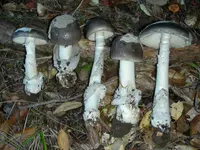
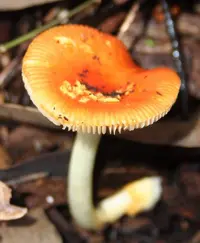
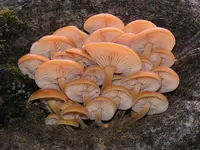
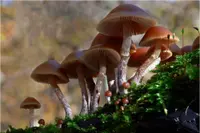
Velvet shank, Flammulina velutipes, is a cold-season wood-decay mushroom often found in clusters on dead or dying hardwood trees. It is not a leafy plant but a fungus with smooth orange to brown caps and a darker, velvety stem base.

In nature it grows in temperate regions, especially in late fall and winter, when many other fungi are absent. Its ability to fruit in low temperatures and on woody material makes it relatively reliable for cultivation.

Those who want to learn how to care for velvet shank should know it prefers cool, moist, shaded conditions and clean, well-colonized wood or prepared substrate for steady growth.

Main Plant Requirements

Care Difficulty

Hard Care

Light Preference

Shade

Water Requirements

Keep Soil Moist

Temperature Preference

Cold Hardy

Hardiness Zone

4–9

Soil Texture

Loamy, Organic-rich

Soil pH

Acidic (5.5–6.5), Slightly acidic (6.5–7.0)

Soil Drainage

Moist but well-drained

Fertilization

Minimal (feed rarely)

Get Personalized Care Plan

Scan your plant to receive care tips personalized for your specific plant

Available on iOS and Android

How to Care for the velvet shank

This wood-decaying mushroom prefers low to moderate natural light, similar to a shaded forest setting.

  • Provide bright shade or dappled light, such as beneath shrubs or trees, avoiding more than 1–2 hours of direct sun, especially in early afternoon.
  • Morning sun with afternoon shade is acceptable in cool climates, but in warmer areas keep velvet shank in consistent shade to prevent drying of wood and mycelium.
  • In winter, when trees are leafless, short periods of weak sun are usually tolerated, but prolonged strong sun in late winter can desiccate exposed logs or stumps.

Moist, but not waterlogged, conditions are essential for reliable fruiting.

  • Maintain consistently damp wood or substrate; the surface should feel moist to the touch but not spongy or muddy, with no standing water around logs or beds.
  • Allow the top 1–2 cm of surrounding soil or mulch to start drying before re-moistening, using gentle soaking rather than frequent light sprinkling to reach the mycelium.
  • Reduce watering during hot, windy periods if drainage is poor, and watch for sour smells or slimy patches as signs of overwatering, and shriveling caps as a sign of drying.

This species fruits best in cool conditions typical of late fall to early spring.

  • Aim for 45–60°F (7–16°C) during active fruiting for Flammulina velutipes, which supports firm stems and slow, steady development of caps.
  • The mycelium usually tolerates down to about 25°F (−4°C) in protected wood, but repeated deep freezes below 20°F (−7°C) can reduce future flushes.
  • Growth slows or stops above 68–70°F (20–21°C); prolonged heat above 75°F (24°C) can dry the substrate and favor competing fungi, so provide shade and moisture in warm spells.

This wood-rotting mushroom fruits best in consistently moist, cool air rather than very dry conditions.

  • Aim for 70–90% relative humidity around developing clusters to keep caps smooth and stems tender.
  • Dry air causes caps to crack, stems to toughen, and pinheads to abort before maturing.
  • Increase humidity by using a clear humidity tent, fine-mist spraying near (not on) caps, or trays of water close to the substrate when caring for velvet shank.

This fungus needs a wood-based, moisture-retentive yet aerated substrate rather than typical garden soil.

  • Use a mix of hardwood sawdust or chips with 10–20% wheat bran or similar supplement to provide structure and nutrients for Flammulina velutipes.
  • Keep the substrate loose and crumbly so air can penetrate; avoid compacted or muddy materials that become anaerobic.
  • Maintain slightly acidic to neutral conditions (pH 5.5–7) by using clean, untreated hardwood products and avoiding limed or ash-heavy components.
  • Improve drainage by drilling holes in the fruiting container and adding a perforated liner so excess water can escape without drying the substrate surface too quickly.

This species is very suitable for container cultivation on prepared substrate blocks or bags.

  • Choose tall bags, buckets, or deep tubs so vertical stem growth has space without crowding against the lid or rim.
  • Use opaque or semi-opaque containers to protect colonized substrate from light, then add side or top openings only where fruiting is desired.
  • Elevate containers on racks or blocks so drainage holes stay clear and air can move around the base, reducing stagnant moisture at contact points.

This fungus usually needs no feeding in natural woodland or log-based setups, but controlled cultivation can benefit from light supplemental nutrition.

  • For sawdust or grain substrates, mix in a balanced NPK supplement at low levels before sterilization, following mushroom-cultivation product directions.
  • During active mycelial growth and pin formation, use only highly diluted (25–50% strength) liquid nutrient if the substrate is clearly depleted.
  • Avoid feeding during cool dormant phases between flushes; allow the block to rest and dry slightly instead of adding nutrients.
  • Do not apply standard houseplant fertilizers directly to velvet shank logs outdoors, as this can upset the wood-decay process.

Flammulina velutipes is not pruned like a typical plant, but selective harvesting and hygiene management keep the culture productive and clean.

  • Harvest clusters by cutting cleanly at the base with a sharp knife or scissors when caps reach desired size.
  • Remove any dead, waterlogged, or moldy mushrooms as soon as seen to reduce spread of contaminants.
  • Thin overly crowded clusters at an early stage so remaining mushrooms have better space, shape, and air flow.
  • Disinfect tools with alcohol between uses to limit bacteria and mold on the substrate surface.

Cultivated Flammulina velutipes is usually grown on logs or in substrate blocks, so care focuses on renewing or moving these rather than classic repotting.

  • Replace or refresh substrate when flushes become small, contaminated, or when mycelium stops colonizing new areas.
  • Time major moves for cool seasons, when the mycelium is active but not under heat stress, to maintain steady growth.
  • If roots or mycelium press tightly against container sides or plastic bags deform, prepare a new sterile substrate and transfer colonized portions.
  • Handle blocks gently, avoid dropping or squeezing, and maintain stable moisture to reduce stress and shock during any transplanting step.

New cultures of Flammulina velutipes are usually started using mycelium or spores under sterile, controlled conditions.

  • Use tissue culture from a fresh, healthy mushroom inside a sterile workspace to start mycelium on agar plates.
  • Transfer clean, fast-growing mycelium from agar onto sterilized grain or sawdust to create spawn during cool seasons.
  • Maintain 65–70°F, high humidity, and good gas exchange so the mycelium colonizes evenly before moving to production substrate.
  • Spore collection is possible but less predictable; for reliable Flammulina velutipes care, most growers rely on commercial spawn.

This fungus is naturally cold tolerant and often fruits in winter, so outdoor logs usually need minimal special care.

  • Flammulina velutipes tolerates light to moderate frost, especially in shaded, moist woodland conditions.
  • Apply a thin mulch around outdoor logs only to stabilize moisture, not to seal them; leave ends exposed for gas exchange.
  • For container substrates in very cold regions, move blocks into an unheated garage or shed to avoid deep, prolonged freezing.

Care Tips

Use clean substrate

Prepare hardwood sawdust or supplemented straw in small batches, sterilize or thoroughly pasteurize it, and handle everything with clean tools and washed hands to reduce contamination while growing velvet shank.

Control fresh air

Provide short, regular air exchanges in the fruiting area to remove carbon dioxide buildup, which helps caps develop normally instead of forming long, thin stems.

Manage light cues

After colonization, introduce low, diffuse light (for example, from a shaded window or indirect LED) on a consistent day–night cycle to trigger even, well-oriented fruiting clusters.

Cluster harvesting

Harvest clusters when most caps are just opened by cutting them off at the base with a clean knife, leaving the substrate as undisturbed as possible to encourage subsequent flushes.

Rotate and space blocks

Space fruiting blocks or bottles so clusters do not press against each other, and rotate them slightly every day so developing mushrooms have room to expand and grow straight.

Common Pests and Diseases

Green mold (Trichoderma)

This disease appears as fast-spreading green patches on the casing soil or directly on the mushroom substrate, quickly overrunning young pins. Symptoms include reduced yield, deformed fruiting bodies, and a strong earthy or musty smell from the contaminated block.

Solution

Immediately remove and discard heavily contaminated blocks, including any loose moldy material around them. Improve hygiene by sanitizing tools and surfaces, lowering ambient humidity slightly, increasing fresh air exchange, and starting new blocks from clean, uncontaminated spawn to prevent recurrence when growing velvet shank.

Cobweb mold

This disease shows up as very fine, grayish-white webbing that spreads rapidly over the substrate and mushroom clusters, sometimes turning light gray or dirty-looking as it matures. Symptoms include water-soaked, soft, or collapsing fruiting bodies if the mold is not controlled early.

Solution

Isolate affected grow containers and carefully remove visible mold with a clean tool, then dispose of contaminated material in a sealed bag. Improve air movement, reduce standing moisture, and lightly mist affected surfaces with a 3–5% hydrogen peroxide solution to suppress the mold while keeping future humidity levels more stable and less excessive.

Bacterial blotch

This disease causes greasy-looking yellow to brown spots or streaks on caps and stems, often associated with overly wet surfaces and stagnant air. Symptoms include soft, slimy tissue and reduced shelf life of harvested mushrooms.

Solution

Avoid overhead spraying directly onto caps and instead maintain humidity through environmental control, allowing surfaces to dry between misting events. Remove and discard affected clusters, increase fresh air exchange, and sanitize growing trays, shelving, and water sources to reduce bacterial load.

Fungus gnats

These insects are small, dark flies whose larvae feed within the mushroom substrate, damaging mycelium and young pins. Symptoms include slow pin development, aborted or deformed fruiting bodies, and visible tiny flies around vents and substrate bags.

Solution

Use fine mesh or filters over air inlets, sticky traps near the growing area, and discard heavily infested blocks that show tunneling or soft spots. Keep the floor and nearby organic debris clean and dry, avoid leaving standing water, and if needed, apply a biological larvicide containing Bacillus thuringiensis israelensis (BTI) to the substrate surface according to label directions.

Mites

This pest includes several tiny species that feed on mycelium and developing mushrooms, often appearing as moving white or tan dots on the substrate surface. Symptoms include patchy mycelial growth, pitted or scarred mushroom stems, and overall yield reduction.

Solution

Remove and discard badly infested blocks and clean shelves, tools, and surrounding surfaces thoroughly to remove residual mites and eggs. Improve hygiene, store substrate ingredients sealed and off the floor, and if needed introduce predatory mites sourced from commercial suppliers as a biological control in large or recurring infestations.

Interesting Facts

Cold-season fruiting

This species typically fruits in late fall to early spring and is able to continue growing during light frosts, which allows it to occupy a seasonal niche when many other wood-decaying fungi are inactive.

Morphology shifts with climate

In the wild it forms brown to orange caps and a velvety dark stem base, but under commercial cultivation at low light and cooler temperatures the same species produces the long, pale, thin-stemmed enoki mushrooms sold in grocery stores.

Antifreeze-like proteins

Its mycelium and fruiting bodies produce antifreeze proteins that help protect cells from damage during freezing and thawing, supporting its ability to survive and grow in cold conditions.

Botan icon

Did you know?

Genetic and physiological studies of this species have made it a model organism for understanding how fungi adapt to low temperatures, including how they regulate enzymes and membrane composition to keep metabolic processes running close to freezing.

FAQs about velvet shank

Yes, this mushroom is edible when correctly identified and thoroughly cooked. It is widely cultivated as enoki. Wild specimens must be positively identified by an expert, since some similar-looking species are toxic or inedible.

Grow Healthy Plants with Botan Care

Keep your plants happy and healthy with plant identification, disease detection, and easy care guidance.

Botan plant care app — identify plants on mobile

Explore More Plants