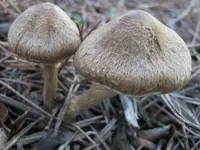
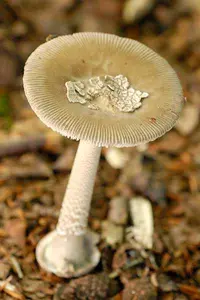
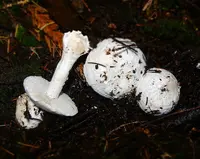
bear lentinus Care (Lentinellus ursinus)

bear lentinus

About bear lentinus

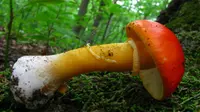
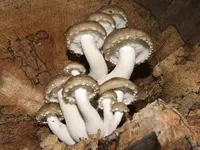
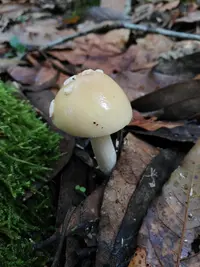
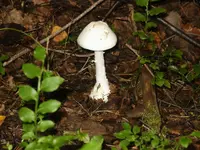
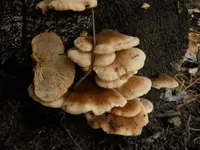
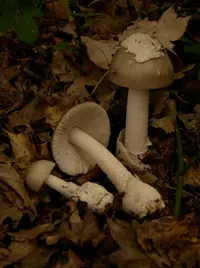
Bear lentinus, Lentinellus ursinus, is a small wood-decaying fungus rather than a leafy houseplant. It forms tough, bracket-like caps with a hairy upper surface and strongly toothed, crowded gills underneath.

This species typically grows on dead hardwood in temperate forests, especially in cooler, moist regions of the Northern Hemisphere. It is not commonly cultivated, and its firm texture and bitter taste make it unsuitable as an edible mushroom.

Because it depends on decaying wood and stable humidity, it is challenging to keep in typical home conditions, so most people do not attempt to care for bear lentinus.

Main Plant Requirements

Care Difficulty

Hard Care

Light Preference

Shade

Water Requirements

Keep Soil Moist

Temperature Preference

Cool Climate

Hardiness Zone

Unknown

Soil Texture

Organic-rich, Loamy

Soil pH

Acidic (5.5–6.5)

Soil Drainage

Moist but well-drained

Fertilization

Minimal (feed rarely)

Get Personalized Care Plan

Scan your plant to receive care tips personalized for your specific plant

Available on iOS and Android

How to Care for the bear lentinus

This wood-inhabiting fungus prefers cool, shaded forest conditions rather than direct open sun.

  • Provide dappled or filtered light similar to a woodland floor, with at most 1–3 hours of weak morning sun and full shade the rest of the day.
  • Avoid strong midday or afternoon sun, which can dry substrates and scorch developing bear lentinus fruiting bodies, reducing size and longevity.
  • In summer, ensure deeper shade or a north-facing exposure; in cooler seasons, slightly brighter but still indirect light is acceptable if substrates stay moist.

This species relies on consistently moist but not waterlogged wood or woody debris to fruit well.

  • Use well-drained but moisture-retentive woody substrate; surface should feel damp to the touch but never soupy or stagnant.
  • Before rewetting, let the top 1–2 cm of substrate just start to feel less damp, then hydrate thoroughly so moisture penetrates the entire log or wood chip layer.
  • Reduce heavy soaking during cold seasons to limit rot and mold; persistent standing water, sour odor, or slimy surfaces indicate overwatering, while brittle, shrinking fruiting bodies suggest underwatering.

This fungus develops best in cool to mild conditions that mimic shaded woodland climates.

  • Aim for 50–68°F (10–20°C) for reliable growth and fruiting; short periods outside this range are usually tolerated if humidity remains high.
  • Lentinellus ursinus can survive down to around 32°F (0°C), but hard frosts or repeated freeze–thaw cycles can damage fruiting bodies and slow mycelial activity.
  • Above 77°F (25°C), fruiting quality often declines; combine deep shade and high moisture during hot spells to reduce heat stress on the substrate.

This wood-inhabiting fungus prefers consistently moist air similar to a damp forest floor.

  • Aim for 70–90% humidity when fruiting, using a humidity tent or enclosed grow chamber.
  • Dry air causes caps to crack, margins to toughen, and growth to stall or abort.
  • Increase humidity with daily fine misting of the microclimate, open water trays near the substrate, or a humidifier set just below condensation levels for caring for bear lentinus.

This species grows on decaying wood, so cultivation relies on a wood-based substrate rather than true soil.

  • Use a mix of hardwood sawdust and fine wood chips, optionally supplemented with 10–20% wheat bran or soy hulls for nutrition.
  • Maintain a loose, crumbly substrate structure so air can reach the mycelium and excess water can drain or evaporate quickly.
  • Keep the substrate evenly moist but never waterlogged; standing water promotes bacterial contamination and weak, patchy colonization in Lentinellus ursinus.
  • If using any soil component, limit it to a thin casing layer over the wood substrate, kept lightly moist to support steady fruiting.

This fungus can be grown in containers if they support moist, airy wood-based substrate and stable humidity.

  • Choose deep, rigid containers that hold at least 10–15 cm of substrate so the mycelium can fully colonize the wood mix before fruiting.
  • Use containers with side and bottom perforations or filter patches to balance fresh air exchange with moisture retention in the substrate zone.
  • Position the container inside a larger humidity-controlled tub or tent to stabilize surface moisture on the substrate without causing stagnant, dripping conditions.

Lentinellus ursinus typically grows on decaying wood and does not need fertilizing in natural or log-based cultivation.

Pruning is not a standard practice for Lentinellus ursinus, which is a wood-decaying fungus rather than a garden plant.

This fungus is usually grown on logs or sterilized substrates, so repotting or conventional transplanting is not applicable.

  • Replace the colonized log or block once fruiting declines and the substrate is largely decomposed.
  • If grown in a container with wood-based substrate, refresh the substrate entirely instead of shifting to a larger pot.
  • Handle colonized substrate gently to avoid breaking the fungal network (mycelium), which can reduce future fruiting.
  • Maintain similar moisture and shade conditions when moving colonized material to a new fruiting location.

Lentinellus ursinus is mainly propagated via spores or by transferring colonized substrate rather than through typical plant methods.

  • Collect spores by placing mature caps gill-side down on clean paper in a sheltered, humid spot.
  • Use spores to inoculate sterilized wood or sawdust, keeping it at 60–70°F in high humidity until colonized.
  • Alternatively, cut small pieces of actively colonized substrate and insert them into fresh, pasteurized wood material.
  • Keep new cultures shaded, evenly moist, and well ventilated to support steady mycelial growth.

Outdoor colonies on natural logs usually overwinter without intervention in regions matching this species’ native climate.

  • In very cold areas, site colonized logs in a sheltered, shaded spot to reduce freeze–thaw stress.
  • Avoid waterlogged conditions around the substrate, which can increase winter rot risk.
  • For container-based culture, move blocks to a cool, frost-free shed or unheated garage during hard freezes.

Care Tips

Substrate wood choice

Use fresh, disease-free hardwood logs or blocks from oak, beech, or similar dense species, since softwoods and resinous conifers reduce colonization speed and fruiting quality when growing bear lentinus.

Controlled log hydration

Before inoculation, soak dry logs 12–24 hours, then let them drain for 1–2 days so the wood is moist but not dripping, which promotes rapid mycelium establishment and reduces contamination risk.

Shaded stacking method

Stack inoculated logs in a low, stable crib pattern in deep shade with good air flow, keeping log ends accessible for inspection while preventing direct sun that can dry the bark and slow colonization.

Timing fruiting soaks

After full colonization, trigger fruiting by soaking logs in clean, non-chlorinated water for 12–18 hours, then stand them on end and monitor closely to learn the most reliable soaking-to-fruiting interval for your conditions.

Sanitation between batches

Disinfect tools, drill bits, and work surfaces with 70% isopropyl alcohol before each inoculation session to limit introduction of competing fungi and maintain consistent Lentinellus ursinus care results across batches.

Common Pests and Diseases

Fungus gnat larvae

This pest is attracted to very moist, organic mushroom substrates and the larvae tunnel through developing fruiting bodies. Symptoms include scarred caps, distorted growth, and small black adult gnats flying around the growing area.

Solution

Reduce excess moisture and improve airflow around the culture so the surface is not constantly wet, then remove heavily damaged clusters. Use fine mesh over vents or fruiting chambers, yellow sticky traps for adults, and a biological control such as Bacillus thuringiensis israelensis (Bti) in the watering routine to suppress larvae without harming the fungus.

Mite infestations

These insects, often mycophagous mites, feed on mycelium and young fruiting bodies, causing pitting, deformed caps, and poor or patchy fruiting. This pest spreads easily in reused or unpasteurized substrates and in poorly cleaned grow spaces.

Solution

Discard heavily infested blocks and clean all shelving and equipment with hot water and a suitable disinfectant. For ongoing cultures, lower humidity slightly, increase air movement, and use physical barriers such as fine mesh, along with strict hygiene and substrate pasteurization or sterilization to prevent reintroduction.

Green mold contamination

This disease, often caused by Trichoderma species, appears as rapidly spreading bright to dark green patches on substrate or at the base of fruiting bodies and can outcompete the mushroom mycelium. Symptoms include stalled colonization and aborted or misshapen fruiting clusters.

Solution

Immediately remove and seal any contaminated blocks or trays and dispose of them away from the grow area. Clean the growing space thoroughly, review sterilization or pasteurization procedures, lower spore load with good ventilation and filtration, and avoid handling clean cultures after touching contaminated material.

Bacterial blotch

This disease presents as greasy, water-soaked, yellow to brown spots on caps, often under conditions of stagnant, overly humid air. Symptoms include soft or slimy tissue and increased susceptibility to secondary molds.

Solution

Improve ventilation and reduce direct water sitting on caps by adjusting misting schedules or using finer nozzles, aiming for 85–90% humidity with good air exchange. Remove and discard severely affected fruiting bodies, clean surfaces, and keep tools and hands very clean when handling clusters to reduce bacterial spread.

Interesting Facts

Strong anise-like odor

Fresh fruiting bodies have a sharp anise- or fennel-like smell that can be quite strong, which helps field mycologists distinguish this species from similar toothed or toothed-gilled fungi.

Distinctly toothed gills

The gill edges are coarsely serrated, forming small tooth-like projections visible to the naked eye, a key diagnostic feature used to separate this fungus from many other brownish wood-decaying mushrooms.

Specialist on hardwoods

This species is a saprotroph that mainly colonizes dead or decaying hardwood, especially beech and oak, where it contributes to the breakdown of lignin and cellulose and helps recycle nutrients back into forest soils.

FAQs about bear lentinus

This bracket fungus is considered inedible due to its very tough, fibrous texture and bitter taste. It is not used as food and is mainly of interest for identification, ecology studies, or woodland observation, not consumption.

Grow Healthy Plants with Botan Care

Keep your plants happy and healthy with plant identification, disease detection, and easy care guidance.

Botan plant care app — identify plants on mobile

Explore More Plants