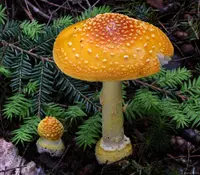
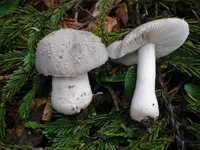
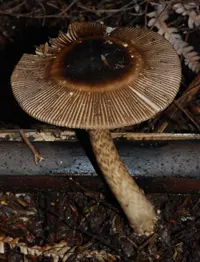
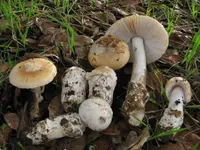
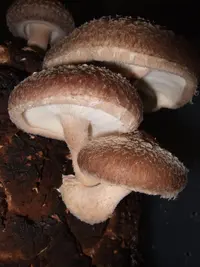
fruity fibrecap Care (Inosperma bongardii)

fruity fibrecap

About fruity fibrecap

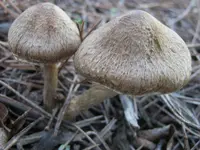
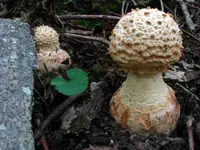
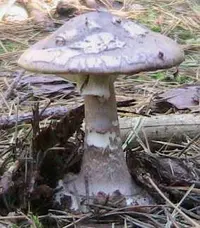
The fruity fibrecap, Inosperma bongardii, is a small to medium woodland mushroom, not a typical houseplant. It produces slender, fibrous stems with smooth, conical to bell-shaped caps in yellowish to tan tones, often with a subtle fruity or sweet odor. This species occurs mainly in temperate forests of Europe and parts of North America, usually growing on soil among leaf litter or moss. It is not suited to casual home cultivation, as it relies on complex relationships with tree roots and specific forest conditions. For most people, information on how to care for fruity fibrecap is mainly of academic interest rather than practical home growing guidance.


Main Plant Requirements

Care Difficulty

Moderate Care

Light Preference

Partial Shade

Water Requirements

Moderate Water

Temperature Preference

Cool Climate

Hardiness Zone

Unknown

Soil Texture

Loamy, Sandy, Organic-rich

Soil pH

Acidic (5.5–6.5)

Soil Drainage

Moist but well-drained

Fertilization

Minimal (feed rarely)

Get Personalized Care Plan

Scan your plant to receive care tips personalized for your specific plant

Available on iOS and Android

How to Care for the fruity fibrecap

This woodland mushroom prefers dappled forest light rather than strong direct sun.

  • Inosperma bongardii fruits best in partial shade under trees, receiving 1–3 hours of gentle morning sun and bright, filtered light for the rest of the day.
  • Avoid harsh midday or afternoon sun, which quickly dries leaf litter and soil, reducing flush size and shortening the lifespan of fruity fibrecap fruiting bodies.
  • In summer, choose north- or east-facing woodland edges; in cooler seasons, slightly more open canopy light helps maintain enough energy for mycelial growth.

This ectomycorrhizal mushroom depends on consistently moist, not waterlogged, forest soil.

  • Check that the top 2–5 cm of leaf litter and soil feel slightly damp but not squishy; if they are dry and crumbly, the habitat is too dry for reliable fruiting of Inosperma bongardii.
  • Good drainage is essential; standing water or soggy depressions promote rot of organic matter and limit oxygen, which can suppress mycelial health.
  • During hot, dry periods, observe for shrinking or cracking caps as a sign of low moisture, and for slimy, collapsing caps as an indicator of excess water.

This species favors mild, temperate conditions typical of many mixed and coniferous forests.

  • Optimal fruiting usually occurs around 55–68°F (13–20°C), supporting steady mycelial activity in the upper soil and litter layer.
  • Growth slows markedly below about 45°F (7°C), and hard frosts near or below 32°F (0°C) can damage emerging fruiting bodies.
  • Short heat spells up to about 77°F (25°C) are tolerated if soil stays moist and shaded, but prolonged heat and drought sharply reduce mushroom formation.

Humidity is not a significant factor for Inosperma bongardii in its natural outdoor woodland settings.

This woodland mushroom relies on specific outdoor soil conditions rather than potting mixes.

  • Prefers moist, well-drained, humus-rich loam with abundant leaf litter and decaying wood fragments for stable mycelium growth.
  • Thrives in soils that do not waterlog; excess standing water quickly depletes oxygen and damages underground fungal tissues.
  • Typically associates with mildly acidic to neutral soils around pH 5.5–7.0 in mixed woodland habitats.
  • Avoid compacted, heavily disturbed, or chemically treated ground; instead encourage natural litter accumulation rather than adding commercial amendments around Inosperma bongardii colonies.

This species is not suitable for container growing and is best left in its natural woodland habitat.

Inosperma bongardii is a wild, mycorrhizal fungus that does not benefit from conventional fertilization and is best left in naturally balanced soils.

Inosperma bongardii does not require or benefit from pruning, since it is a woodland fungus rather than a garden shrub or tree.

This woodland fungus is not suited to normal pot culture, so moving or transplanting established colonies is rarely successful or recommended.

  • Avoid disturbing soil where fruiting bodies appear; the main organism lives as fine mycelium intertwined with tree roots.
  • If disturbance is unavoidable, keep a generous soil volume intact to reduce tearing of the mycelial network.
  • Schedule any necessary soil work when fruiting bodies are absent, usually outside the peak mushroom season.
  • After soil disruption, maintain stable moisture and avoid compaction so the remaining mycelium can recover.

Propagation of Inosperma bongardii is specialized and seldom attempted in home settings, as it depends on complex mycorrhizal relationships with host trees.

This fungus is naturally cold hardy in its native range and does not need dedicated winter care in gardens or woodlands.

Care Tips

Spore print monitoring

Regularly take spore prints on white and dark paper from caps collected near your cultivation area to confirm identification and avoid confusing this toxic species with edible look-alikes when growing fruity fibrecap in mixed woodland beds.

Cap and stem hygiene

Collect and remove old caps and stems promptly after spore release to limit unwanted spread in managed beds and reduce attraction of insects that can move contaminants to other fungal cultures.

Soil disturbance control

Limit digging, tilling, and heavy foot traffic around known mycelium zones so the fine fungal threads are not broken, which helps maintain consistent fruiting patterns season to season.

Host tree assessment

Periodically inspect the health of nearby host trees and avoid heavy root pruning or major grade changes, as disruption to tree roots can indirectly reduce or eliminate future fruiting.

Moisture logging records

Keep a simple log of rainfall, irrigation events, and visible fruiting dates so patterns between moisture cycles and flushes are clear, allowing more accurate timing of supplemental watering in managed woodland or garden settings.

Common Pests and Diseases

Fungal mycelial decay

This disease affects fruiting bodies in very wet, compacted soil or leaf litter, causing soft, waterlogged caps and rapid collapse. Symptoms include a cottony white or gray mycelial mat overtaking the mushroom surface.

Solution

Remove and discard affected mushrooms promptly and avoid handling them in the same area to limit spread. Improve site drainage, reduce overhead watering in nearby plantings, and gently loosen compacted litter so fruiting bodies dry more quickly after rain.

Bacterial cap rot

This disease develops on damaged or insect-wounded caps, leading to slimy, foul-smelling areas that turn brown or black. Symptoms include wet, greasy patches starting around bite marks or bruises.

Solution

Collect and dispose of rotting mushrooms, including any heavily damaged fruiting bodies nearby. Limit mechanical damage when surveying or photographing colonies and avoid leaving food waste or organic debris that encourages high bacterial activity around the patch.

Fungivorous fly larvae

These insects lay eggs on young mushrooms; larvae tunnel through caps and stems, causing distortion, hollow stems, and premature decay. This pest is often noticed as small maggots inside the fruiting body and tiny exit holes on the surface.

Solution

Harvest or remove fruiting bodies as soon as they mature to reduce time available for egg laying. Use fine mesh screens or temporary breathable covers over small observation areas if monitoring growth, and promptly discard infested mushrooms away from the site to lower local fly populations.

Springtail grazing

These insects feed on tender mushroom tissue and spores, leaving pitted surfaces and frayed gills, especially in moist, organic substrates. This pest typically appears in dense, damp leaf litter where fungal growth is vigorous.

Solution

Reduce excess surface moisture by improving air circulation and avoiding constant saturation of surrounding soil or mulch. For small monitored colonies, gently brush off visible springtails and remove heavily grazed fruiting bodies to reduce food sources and population pressure.

Interesting Facts

Distinctive fruity odour

The fruitbodies often emit a noticeable sweet or fruity smell, which historically contributed to confusion with edible, pleasant-scented agarics despite its toxicity.

Dangerously muscarinic

This species contains muscarine, a neuroactive alkaloid that strongly stimulates the parasympathetic nervous system and can cause serious, sometimes life-threatening poisoning when ingested.

Recently reclassified genus

Molecular studies showed that traditional Inocybe was not a single natural group, leading to this species being moved into the segregate genus Inosperma as part of a modern taxonomic revision.

Botan icon

Did you know?

This ectomycorrhizal fungus forms intimate root partnerships with broadleaf trees such as beeches and oaks, exchanging mineral nutrients and water for plant-derived sugars, and in doing so helps structure entire forest nutrient cycles despite being a relatively inconspicuous mushroom.

FAQs about fruity fibrecap

This mushroom is poisonous and must never be eaten. It contains toxic compounds that can cause severe gastrointestinal and neurological symptoms. Identification errors are common, so foragers should avoid consumption entirely and consult local mycology resources for safe species.

Grow Healthy Plants with Botan Care

Keep your plants happy and healthy with plant identification, disease detection, and easy care guidance.

Botan plant care app — identify plants on mobile

Explore More Plants