Lentinus levis Care

Lentinus levis

About Lentinus levis

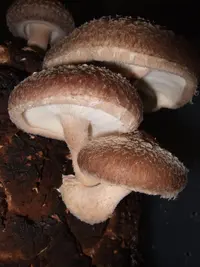
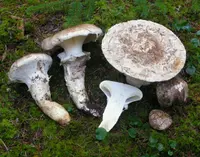
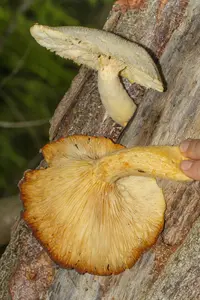
Lentinus levis is a wood-decaying mushroom, not a leafy houseplant. It typically forms medium-sized, pale to light brown caps with a smooth or slightly velvety surface and whitish gills beneath. The caps grow on dead or decaying hardwood, often in small clusters.

This species naturally occurs in forests and woodland areas, especially in warmer and subtropical regions. It plays an important role in breaking down wood and recycling nutrients in the ecosystem.

Because it is a saprophytic fungus that depends on dead wood, it is not commonly cultivated by home growers, and reliable guidance on how to care for Lentinus levis is limited.

Main Plant Requirements

Care Difficulty

Moderate Care

Light Preference

Partial Shade

Water Requirements

Keep Soil Moist

Temperature Preference

Warm Climate

Hardiness Zone

Unknown

Soil Texture

Loamy, Organic-rich

Soil pH

Acidic (5.5–6.5)

Soil Drainage

Moist but well-drained

Fertilization

Minimal (feed rarely)

Get Personalized Care Plan

Scan your plant to receive care tips personalized for your specific plant

Available on iOS and Android

How to Care for the Lentinus levis

This wood-decay fungus thrives in bright, dappled forest-like light rather than harsh, open sun.

  • Provide 3–5 hours of gentle morning sun with filtered or high open shade for the rest of the day to mimic light under a thin woodland canopy.
  • Allow partial shade; consistent bright shade or speckled light encourages steadier fruiting than full sun, which can dry substrate and caps.
  • Protect from intense midday and afternoon sun, especially in summer, as prolonged direct exposure can overheat logs or substrate and stall growth.

Moist, never stagnant, conditions are essential for reliable fruiting and mycelial health.

  • Aim for evenly moist substrate; surface should feel damp but not soggy, and free water should not pool for more than 10–15 minutes after rainfall or irrigation.
  • Increase misting or gentle watering during hot, windy periods when the outer 2–3 cm of substrate or logs begins to feel dry to the touch.
  • Reduce added water in cool, wet seasons and watch for sour odor, slimy patches, or standing water, which indicate overwatering and poor aeration.

Stable, mild temperatures support consistent colonization and fruiting of this species.

  • Maintain an ideal range of 68–77°F (20–25°C) for active growth and reliable fruiting on logs or supplemented substrates.
  • Allow short exposures down to about 50°F (10°C) without major damage, but expect slowed growth and delayed fruiting in cooler conditions.
  • Avoid prolonged heat above 86°F (30°C) and protect from any frost, since freezing can damage mycelium and excessive heat can dry and stress the culture.

This species fruits best in moderately humid, well-ventilated conditions rather than very dry air.

  • Aim for 60–80% humidity during active fruiting to prevent caps from drying and cracking.
  • Dry air causes small, tough fruiting bodies and edges that curl or brown prematurely.
  • Increase humidity with a fine-mist spray, open trays of water near the substrate, or a tented plastic cover with vent holes for airflow.

Lentinus levis is a wood-decaying fungus and relies on a moist, well-aerated lignin-rich substrate rather than typical garden soil.

  • Use a mix based on hardwood sawdust or chips with 10–20% wheat bran or similar supplement for nutrients and structure.
  • Ensure the substrate drains freely yet holds moisture; avoid dense clay, peat-only mixes, or waterlogged compost that exclude air.
  • Keep pH slightly acidic to neutral, roughly 5.5–7.0, using hardwood-based materials and avoiding heavily limed additives.
  • Improve aeration by incorporating coarse wood chips or chopped straw so the mycelium can colonize without oxygen starvation.

This species can be grown in containers if the substrate and moisture are tightly controlled.

  • Choose a rigid bucket or bag that stands upright so the colonized substrate stays stable as fruiting bodies emerge from cut slits or holes.
  • Drill or cut side openings slightly above the base to allow both drainage and lateral fruiting while retaining most moisture in the core.
  • Use opaque containers to limit light on the colonizing substrate, which helps maintain a cooler, more stable microclimate.

This wood-decaying fungus usually grows on nutrient-rich logs and needs minimal supplemental feeding in cultivation.

Pruning is not a standard practice for Lentinus levis because the fruiting bodies are short-lived and replaced naturally.

Cultivated Lentinus levis is typically managed by refreshing its substrate rather than conventional repotting.

  • Replace colonized logs or sawdust blocks once yields decline or surfaces dry and crack significantly.
  • Time substrate replacement for warm, stable conditions to limit stress on the fungal mycelium network.
  • Move mycelium to fresh, pasteurized hardwood-based substrate, handling blocks gently to avoid crumbling.
  • Maintain high humidity and moderate airflow after transfer so the mycelium re-establishes before heavy fruiting.

Propagation focuses on expanding the mycelium rather than treating it like a traditional plant.

  • Use clean grain spawn or tissue culture on sterile media to start new colonies in controlled conditions.
  • In late spring or summer, introduce spawn into pasteurized hardwood sawdust or suitable log sections.
  • Maintain 70–80°F, steady moisture, and good hygiene to support rapid mycelial colonization.
  • Seal or cover inoculation points to limit contamination, then allow full colonization before encouraging fruiting.

Outdoor cultivation of this fungus is limited in cold climates, and it generally needs warm conditions for consistent fruiting.

  • In regions with frost, keep colonized substrates in a frost-free, well-ventilated space over winter.
  • For container or bag setups, maintain temperatures above 50°F and avoid repeated freeze–thaw cycles.
  • Reduce watering slightly in cool conditions, keeping the substrate just moist, not waterlogged, to prevent rot.

Care Tips

Use pre-colonized spawn

Start production with high-quality grain or sawdust spawn from a reputable lab, and keep it refrigerated at 34–39°F until use to reduce contamination pressure and ensure vigorous colonization.

Optimize substrate structure

Blend hardwood sawdust with a small proportion of coarse chips or shredded straw so the block holds moisture but still has enough air spaces to prevent anaerobic pockets that slow mycelium growth.

Dial-in fresh air

During fruiting, adjust vents or fan timers so that caps develop with firm, slightly uplifted margins and short stems, which indicates enough fresh air exchange without excessive drying.

Harvest at ideal stage

Cut clusters when caps are fully expanded but edges are still slightly inrolled and gills remain pale, which gives the best texture and also encourages a reliable second flush.

Rotate fruiting blocks

Stagger inoculation dates and move fully colonized blocks into the fruiting area in small batches each week so that growing Lentinus levis produces a more continuous harvest instead of large boom-and-bust cycles.

Common Pests and Diseases

Fungus gnat larvae

This pest lives in very damp cultivation substrates and chews on developing mycelium and young mushroom primordia, reducing yield and causing malformed caps.

Solution

Reduce standing moisture and avoid waterlogged substrate, then use fine mesh or insect-proof netting around the fruiting area to block adult gnats. Sticky traps near light sources and a thin top-dressing of pasteurized casing or vermiculite help break the life cycle while maintaining clean, well-pasteurized substrate is key for long-term fungus gnat control when growing Lentinus levis.

Mushroom flies

These insects lay eggs on fruiting blocks or logs, and their maggots tunnel through caps and stems, leading to soft spots, browning, and contamination pathways.

Solution

Screen intake vents and openings, keep doors closed, and use insect netting to physically exclude adults from the fruiting zone. Remove and discard heavily infested fruiting bodies, harvest promptly at maturity, and keep the area clean of spent blocks and debris to reduce breeding sites; yellow sticky cards and targeted biological controls such as Bacillus thuringiensis israelensis can further lower populations.

Green mold (Trichoderma)

This disease appears as fast-spreading green patches on colonizing substrate or on fruiting blocks, often outcompeting the L. levis mycelium and stopping mushroom production.

Solution

Discard or isolate heavily contaminated bags or blocks, since Trichoderma spreads quickly via spores. Improve hygiene by thoroughly cleaning tools and surfaces, ensure proper substrate sterilization or pasteurization, and lower excess humidity and stagnant air in the incubation space to reduce new infections.

Bacterial blotch

This disease causes greasy, yellow to brown spots on caps and sometimes a slimy surface, especially when water sits on mushrooms for long periods.

Solution

Avoid overhead or high-pressure misting directly on caps and instead provide fine, short mist cycles with strong airflow so surfaces dry quickly. Remove and discard blotched mushrooms, sanitize trays and tools, and manage humidity so it stays high but without persistent condensation on fruiting bodies.

Mite infestation

These pests are tiny arthropods that feed on mycelium and developing fruiting bodies, sometimes visible as dust-like movement on substrate or caps and associated with patchy growth and reduced yields.

Solution

Inspect new logs, straw, or sawdust and avoid introducing unpasteurized, infested material into the grow space. Improve cleanliness, remove and discard heavily infested blocks, and use physical exclusion (fine mesh, sealed racks) along with adjusting humidity and airflow to discourage mites, introducing predatory mites only if operating a more advanced or commercial setup.

Interesting Facts

Tough, leathery caps

This species produces thick, whitish to cream caps with a distinctly leathery texture and finely velvety surface, making the fruiting bodies unusually tough compared with many common gilled mushrooms.

Distinctive spiny stipe

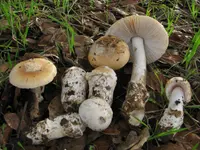
Its stem often shows small, rough, spine-like projections and a fibrous consistency, a combination that helps distinguish it from similar pale, leathery mushrooms in the same habitat.

Wood-decaying specialist

It is a saprotrophic fungus that colonizes dead hardwood, where it breaks down lignin and cellulose in the wood, contributing to nutrient recycling in forest ecosystems.

FAQs about Lentinus levis

This species is considered an edible mushroom in some regions, typically eaten when young and tender. Texture can be somewhat tough with age, so many foragers prefer only small, fresh caps and always cook them thoroughly.

Grow Healthy Plants with Botan Care

Keep your plants happy and healthy with plant identification, disease detection, and easy care guidance.

Botan plant care app — identify plants on mobile

Explore More Plants