licorice fern Care (Polypodium glycyrrhiza)

licorice fern

About licorice fern

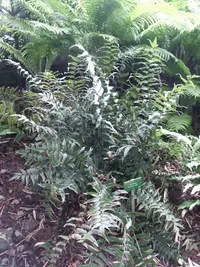
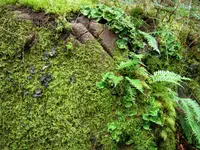
Licorice fern, Polypodium glycyrrhiza, is a small evergreen fern native to the Pacific Northwest of North America. It often grows on mossy tree trunks, logs, and rocks rather than in deep soil.

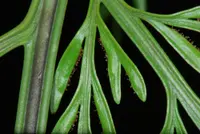
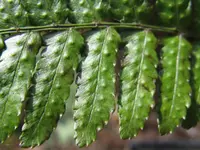
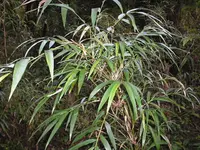
Its fronds are narrow, arching, and light to medium green, forming loose patches rather than dense clumps. The rhizomes (creeping stems) have a distinctive sweet, licorice-like taste, which gives the plant its common name.

This species prefers cool, moist, shaded habitats and does not tolerate hot, dry conditions well, which can make it a bit challenging outside its native climate. Gardeners who want to care for licorice fern should focus on steady moisture, good air flow, and protection from strong sun.

Main Plant Requirements

Care Difficulty

Moderate Care

Light Preference

Shade

Water Requirements

Keep Soil Moist

Temperature Preference

Cool Climate

Hardiness Zone

7–9

Soil Texture

Loamy, Rocky, Organic-rich

Soil pH

Acidic (5.5–6.5), Slightly acidic (6.5–7.0)

Soil Drainage

Moist but well-drained

Fertilization

Minimal (feed rarely)

Get Personalized Care Plan

Scan your plant to receive care tips personalized for your specific plant

Available on iOS and Android

How to Care for the licorice fern

This fern prefers low to moderate light similar to a shaded forest floor.

  • Provide bright, filtered light or open shade, such as dappled light under trees for 2–4 hours, avoiding direct midday sun.
  • Tolerates deep shade but fronds may grow thinner and more sparse if light stays below about 2 hours of soft, indirect light daily.
  • In hot summers, allow only early morning or late afternoon sun; excessive direct sun scorches fronds and dries rhizomes of licorice fern.

Moist but not waterlogged conditions suit this fern best.

  • Water when the top 2–3 cm of soil or substrate feels just barely dry, aiming for consistently damp but not soggy conditions.
  • Ensure very sharp drainage around rhizomes; standing water causes root and rhizome rot, seen as black, mushy tissue and a sour smell.
  • Reduce watering in late fall and winter when growth slows, but do not let soil fully dry; crisping frond tips usually indicate underwatering in Polypodium glycyrrhiza.

This fern is adapted to cool, mild climates with moderate seasonal shifts.

  • Active growth occurs around 50–70°F (10–21°C); it handles typical coastal and woodland temperature swings well in these ranges.
  • Tolerates brief drops to about 20°F (-7°C) once established, but repeated hard freezes can damage fronds, which may die back and re-sprout from protected rhizomes.
  • Handles short warm spells up to about 80–85°F (27–29°C) if shaded and kept moist; prolonged heat plus dry conditions stresses the plant and can desiccate rhizomes.

This fern needs consistently moist air to thrive, especially indoors or in heated homes.

  • Aim for 60–80% humidity using a humidifier, pebble tray, or placement near other plants to create a moist microclimate.
  • In dry air, fronds brown at the tips, curl, and feel crisp rather than flexible.
  • Keep soil slightly moist while raising air humidity; avoid misting so heavily that fronds stay wet for hours, which encourages leaf spot.

Polypodium glycyrrhiza prefers loose, organic-rich, well-aerated substrates that mimic decomposing wood or mossy rock.

  • Use a mix of 50–70% fine orchid bark with peat or coco coir and a small amount of compost to supply organic matter.
  • Ensure rapid drainage by adding perlite or pumice so water flows through in seconds rather than pooling on the surface.
  • Aim for slightly acidic conditions, around pH 5.5–6.5, which support nutrient uptake and healthy rhizome growth.
  • Avoid dense garden soil, heavy clay, or mixes that stay soggy, as these reduce oxygen around the rhizomes and promote rot.

This species can adapt to container culture when the pot and medium are chosen for rhizome spread and fast drainage.

  • Select a wide, shallow container so rhizomes can creep horizontally rather than forcing them into deep, compacted layers.
  • Choose a lightweight pot material if the plant is moved often, but use a heavier container outdoors to keep spreading fronds stable in wind.
  • Raise the pot slightly on feet or spacers so drainage holes stay clear and runoff leaves the container quickly after watering.

This fern is adapted to low-nutrient forest habitats, so licorice fern needs only light, infrequent feeding in cultivation.

  • Use a mild, balanced liquid fertilizer (around 10-10-10) at 1/4–1/2 strength during active growth in spring and early summer.
  • Apply every 4–6 weeks at most, only when the plant shows steady new frond growth.
  • Skip synthetic fertilizers on wild or established outdoor clumps; use a thin layer of leaf mold or compost instead.
  • Stop all feeding in late fall and winter when growth slows or fronds die back.

Pruning needs for Polypodium glycyrrhiza are minimal and focus on hygiene rather than shaping.

  • Best time is late winter to early spring, just before or as new fronds emerge.
  • Remove dead, yellowed, or damaged fronds at the base with clean scissors or hand pruners.
  • Thin out crowded or overlapping fronds only where airflow is poor, keeping the natural arching habit.
  • Disinfect tools before and after use to reduce the risk of fungal and bacterial problems.

This species is usually grown on logs, rocks, or as a groundcover, so attention centers on careful transplanting rather than frequent repotting.

  • Plan moves in early spring or early fall when temperatures are mild and moisture is reliable.
  • Look for signs such as rhizomes creeping far beyond the intended area or containers filled with circling roots.
  • Transplant with generous portions of attached substrate, keeping rhizomes just at or slightly above the surface.
  • Water thoroughly after moving, shade from strong sun for 1–2 weeks, and keep the root zone consistently moist.

Polypodium glycyrrhiza is most reliably propagated by division of its creeping rhizomes rather than from spores.

  • Divide established clumps in early spring or early fall when soil is cool and moist.
  • Lift or expose a section of rhizome, then cut it into pieces with at least 2–3 healthy buds and attached roots.
  • Replant divisions shallowly on moist, well-drained, humus-rich substrates such as rotting wood or rocky crevices.
  • Maintain high humidity and even moisture, avoiding waterlogging, until new fronds emerge and harden.

This fern is generally cold hardy in much of its native range and requires only modest winter attention outdoors.

  • Tolerates light to moderate frost when rhizomes are insulated in soil, moss, or decaying wood.
  • In colder areas, add a thin mulch of leaf litter over the root zone, keeping frond bases mostly uncovered.
  • Container-grown plants in USDA zones colder than the local native range should be moved to a cool, frost-free, bright shelter.

Care Tips

Rhizome Positioning

Set the rhizomes on top of a well-draining, mossy substrate or rotting wood instead of burying them deeply, then lightly cover with leaf litter so new growth can spread and avoid rot.

Seasonal Dry Rest

Allow the plant to become drier and even partially dormant in late summer if conditions are hot and dry, then resume more frequent moisture in fall to mimic its natural seasonal cycle and encourage healthy frond flushes.

Using Decaying Wood

Mount or plant the fern on decaying hardwood pieces or old logs, keeping the rhizomes in tight contact with the surface, to replicate its epiphytic habit and create a stable, moisture-retentive base.

Leaf Litter Mulch

Top-dress around the rhizomes with a thin layer of shredded leaf litter or fine bark every few months to maintain cool, moist conditions and provide a slow trickle of organic matter.

Cool Microclimate Setup

Place the plant on the north or east side of structures, rocks, or larger plants to create a shaded, cool microclimate that reduces heat stress and supports long-term success when growing licorice fern outdoors.

Common Pests and Diseases

Scale insects

This pest attaches to fronds and rhizomes, sucking sap and leaving small brown or tan bumps that can cause yellowing and decline. Symptoms include sticky honeydew and sooty mold on nearby surfaces in humid, sheltered spots.

Solution

Physically remove scale with a cotton swab dipped in 70% isopropyl alcohol, then rinse fronds gently with lukewarm water. For larger outdoor patches, treat during crawler stage with a light horticultural oil labeled safe for ferns and repeat every 7–10 days as needed while also reducing plant stress by maintaining even moisture and shade.

Fern aphids

These insects cluster on the undersides of young fronds and rachises, distorting new growth and causing a general wilted look. This pest is more common on moist, shaded stands near streams or in gardens with many soft new fronds.

Solution

Wash colonies off with a firm but gentle stream of water, focusing on undersides of fronds. If needed, apply insecticidal soap labeled for ferns in the evening, ensuring full coverage and repeating weekly until populations decline, while avoiding soap use during heat spikes above 85°F to prevent frond burn.

Rhizome scale

This pest lives on the creeping rhizomes, hiding under leaf litter and bark, leading to slow thinning of fronds and weak new growth. Symptoms include rough, crusty patches on rhizomes and poor frond density in long-established clumps.

Solution

Lift and inspect rhizomes during dormancy or low-growth periods, scraping off visible scale by hand or with a soft brush. Improve air circulation around rhizomes, avoid burying them too deeply, and use a light application of horticultural oil on exposed rhizomes if label directions allow use on ferns, taking care not to overapply in cool, wet weather.

Rhizoctonia crown rot

This disease causes blackened, sunken lesions at the base of fronds and on rhizomes, leading to sudden collapse of affected fronds, especially in saturated, poorly drained substrates. Symptoms include foul odor at the crown and failure of new fronds to emerge from affected sections.

Solution

Cut out and discard all soft, darkened rhizome and crown tissue with sterilized tools, then improve drainage and reduce overhead watering. Replant only firm, healthy rhizome pieces on well-drained, organic, barky media or on suitably rough host surfaces, and space plants so air can move between fronds to limit prolonged surface moisture, which is a core element of Polypodium glycyrrhiza care instructions in cultivated settings.

Leaf spot fungi

This disease produces scattered brown or black spots on fronds that may coalesce, causing sections of the blade to die back, particularly in dense, poorly ventilated plantings. Symptoms include premature frond browning and a patchy, uneven appearance in the colony.

Solution

Remove and discard affected fronds to reduce spore load, cutting back to healthy tissue. Avoid frequent overhead watering, increase spacing or airflow, and if the plant is in a cultivated bed, apply a fern-safe fungicide labeled for leaf spots according to directions, targeting early infections on newly emerging fronds.

Interesting Facts

Natural sweet rhizomes

The underground rhizomes of this fern taste mildly sweet due to glycyrrhizin-like compounds, which led Indigenous peoples of the Pacific Northwest to use them traditionally as a chewing treat and flavoring.

Epiphyte and groundcover

In its native coastal forests of western North America, this species often grows both as a ground fern and as an epiphyte on mossy bigleaf maple and other trees, taking root in thick moss layers rather than in soil alone.

Winter-green in mild climates

Unlike many temperate ferns, it often keeps its fronds green through winter in mild, moist coastal areas, then quickly produces new growth in early spring as light levels increase under deciduous trees.

Botan icon

Did you know?

Genetic and morphological studies indicate that this species belongs to a small group of ferns specialized for cool, ocean-influenced climates, with a native range closely tracking the moist, foggy belt from Alaska to northern California rather than spreading widely across inland North America.

FAQs about licorice fern

The rhizomes have a sweet, mild licorice flavor and were traditionally chewed by some Indigenous peoples. Only harvest from clean, pesticide‑free areas, and sample very small amounts first, as individual sensitivities and site contamination can vary.

Grow Healthy Plants with Botan Care

Keep your plants happy and healthy with plant identification, disease detection, and easy care guidance.

Botan plant care app — identify plants on mobile

Explore More Plants