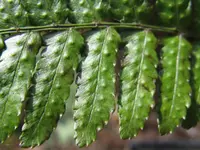
Asian netvein hollyfern Care (Cyrtomium fortunei)

Also known as: Fortune's Holly-fern
Asian netvein hollyfern

About Asian netvein hollyfern

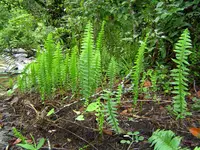
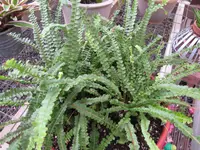
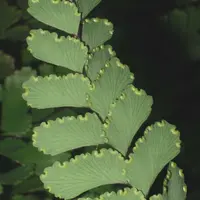
Asian netvein hollyfern, Cyrtomium fortunei, is an evergreen fern grown mainly for its glossy, arching fronds with distinct, netted veins. It forms dense clumps that give a lush, structured look to shaded beds or containers.

This species is native to parts of East Asia, where it grows in cool, moist woodlands and rocky slopes. It is considered relatively forgiving, which makes it suitable for gardeners learning how to care for Asian netvein hollyfern.

It generally prefers shade to partial shade, consistent moisture, and well-drained, humus-rich soil. Its tolerance of cooler temperatures and moderate neglect makes it easier than many more delicate ferns.

Main Plant Requirements

Care Difficulty

Easy Care

Light Preference

Partial Shade

Water Requirements

Moderate Water

Temperature Preference

Cold Hardy

Hardiness Zone

5–8

Soil Texture

Loamy, Peaty, Organic-rich

Soil pH

Acidic (5.5–6.5), Slightly acidic (6.5–7.0)

Soil Drainage

Moist but well-drained

Fertilization

Minimal (feed rarely)

Get Personalized Care Plan

Scan your plant to receive care tips personalized for your specific plant

Available on iOS and Android

How to Care for the Asian netvein hollyfern

This fern prefers bright, indirect light with protection from harsh midday sun.

  • Provide dappled or filtered light, or morning sun with afternoon shade; 2–4 hours of gentle sun is usually enough for strong frond growth.
  • Site Asian netvein hollyfern in partial to full shade outdoors; dense full shade slows growth and produces sparse, elongated fronds.
  • Avoid hot, direct sun, especially in summer; fronds scorch and yellow, so increase shade or add shade cloth during intense afternoon sun.

This fern prefers consistently moist but never waterlogged soil.

  • Water when the top 2–3 cm of soil feels slightly dry, aiming to keep the root zone evenly damp rather than wet.
  • Use loose, humus-rich soil with good drainage so excess water can escape, reducing risk of root rot and black, mushy crowns.
  • In cooler months, allow slightly more drying between waterings; in heat, watch for drooping or crisping frond tips as a sign to water sooner.

This species is relatively cold-hardy but grows best in mild, stable temperatures.

  • Active growth is strongest at 60–75°F (16–24°C), with steady moisture and shelter from drying winds.
  • Plants tolerate down to about 10–15°F (-12 to -9°C) once established, often remaining semi-evergreen in mild winters.
  • In hot climates above 85°F (29°C), provide extra shade and moisture; protect from reflected heat and sudden frost snaps after early spring unfurling.

This fern prefers moderate to high humidity for steady frond growth.

  • Aim for 50–70% humidity; it tolerates brief dips lower but prolonged very dry air leads to browning tips.
  • Crisping leaflet edges, rolling fronds, and stalled new growth signal humidity stress in Asian netvein hollyfern.
  • Increase humidity with a pebble tray under the pot, grouping plants, or running a nearby humidifier rather than misting alone.

Cyrtomium fortunei does best in loose, humus-rich soil that stays evenly moist yet drains freely.

  • Use a mix of 50–60% peat or coco coir with compost plus 20–30% fine bark and 10–20% perlite for structure and aeration.
  • Aim for slightly acidic to neutral pH, roughly 6.0–7.0, which supports nutrient availability and healthy root activity.
  • Ensure the mix drains in seconds, not minutes, after watering to avoid stagnant, airless pockets around the roots.
  • Avoid heavy clay, compacted garden soil, or pure sand, which either waterlog the roots or dry out too fast and limit nutrient retention.

This species is well suited to container growing on shaded patios or balconies.

  • Choose a wide, relatively shallow pot so the fibrous roots can spread laterally without sitting in a deep, wet column of mix.
  • Use a heavier material like ceramic if the fronds become tall and arching, to reduce the risk of the pot tipping over in wind.
  • Elevate the container on pot feet so drainage holes stay clear and excess water can escape quickly after rain or irrigation.

Cyrtomium fortunei is a modest feeder that benefits from light, consistent nutrition during active growth.

  • Use a balanced liquid fertilizer (for example 10-10-10) at 1/2 strength for Asian netvein hollyfern in spring and summer.
  • Feed every 4–6 weeks while new fronds are emerging in the growing season.
  • Stop feeding in fall and winter when growth slows or stops.
  • Organic compost or a slow-release fern fertilizer can be mixed into the topsoil once per year.

Cyrtomium fortunei needs only light pruning to maintain tidy, healthy fronds.

  • Best time for pruning is late winter or early spring before new fronds unfurl.
  • Remove dead, yellowing, or damaged fronds at the base using clean, sharp scissors or pruners.
  • Thin out crowded interior fronds to increase airflow and reduce fungal issues.
  • Light shaping helps keep a compact clump but avoid cutting healthy emerging fronds.

Cyrtomium fortunei grows slowly and dislikes frequent disturbance, so repot or transplant only when clearly needed.

  • Plan repotting or transplanting in early spring when new growth is just starting.
  • Look for roots circling the pot, pushing through drainage holes, or noticeably slowed growth as signs to move it.
  • Repot every 2–3 years into a container 2–5 cm wider, using a moisture-retentive, well-drained mix.
  • Handle the root ball gently, loosen outer roots lightly, water thoroughly, and keep in shade for 1–2 weeks to limit stress.

Cyrtomium fortunei is most reliably propagated by division rather than from spores in home conditions.

  • Divide established clumps in early spring when new croziers are just visible.
  • Lift the plant, then split the rhizome into sections, each with several healthy fronds and roots.
  • Replant divisions at the same depth in moist, humus-rich soil and water well.
  • Maintain high humidity, even moisture, and shade until new fronds develop and growth resumes.

Cyrtomium fortunei is fairly cold hardy but benefits from simple winter care in colder regions.

  • In-ground plants tolerate light to moderate frost when soil drainage is good.
  • Apply a 5–8 cm layer of leaf mold or bark mulch around the crown to insulate roots.
  • Cut back dead or collapsed fronds in late winter to reduce rot and encourage clean spring growth.
  • Move container plants into a sheltered, frost-free but cool spot, keeping soil just slightly moist.

Care Tips

Use loose mulching

Apply a 2–4 cm layer of fine bark or leaf mold around the crown to keep roots cool and moist, but leave a small gap around the rhizomes to prevent rot and allow new fronds to emerge freely.


Divide at right time

If clumps become congested or sparse in the center, divide them in early spring just as new croziers unfurl, replanting firm, healthy rhizome sections with at least 3–4 growing points for quicker re-establishment.

Shelter from winter wind

In colder regions, place outdoor plants where they are shielded from prevailing winter winds or use low windbreaks, since moving cold air dries fronds and can cause more damage than low temperatures alone.

Rinse fronds periodically

Every 4–6 weeks, gently hose or shower the plant to remove dust and spores from the leathery leaflets, which helps reduce spider mites and scale and improves light interception for healthier growth.

Refresh aging fronds

At the end of winter, cut back tattered or yellowing fronds at the base to stimulate a flush of new, clean foliage and maintain a neat appearance when caring for Asian netvein hollyfern.

Common Pests and Diseases

Scale insects

These insects attach to frond midribs and leaf stalks, sucking sap and causing yellowing, stunted growth, and sticky honeydew that can lead to sooty mold.

Solution

Wipe fronds and stems with a soft cloth dipped in diluted insecticidal soap or horticultural oil, repeating every 7–10 days until new growth is clean; for outdoor plantings, encourage natural predators such as lady beetles and prune heavily infested fronds and dispose of them in the trash.

Spider mites

This pest thrives on indoor or dry-sited plants, causing fine speckling, dull fronds, and sometimes thin webbing, especially on the undersides of leaflets.

Solution

Rinse fronds thoroughly with a firm but gentle stream of water, then apply insecticidal soap to both upper and lower leaf surfaces and raise ambient humidity to discourage reinfestation, inspecting and repeating treatments weekly until no mites are seen.

Leaf spot

This disease causes small brown, tan, or black spots that may merge into larger patches, leading to premature browning and drop of affected pinnae.

Solution

Remove and discard affected fronds, avoid overhead watering, improve air circulation around the clump, and if the problem persists in outdoor beds, use a labeled fern-safe fungicide as a preventative spray during warm, wet periods.

Crown rot

This disease starts at the base of the fronds where the crown stays wet, leading to soft, dark, collapsing tissue and eventual decline of the whole plant.

Solution

Improve drainage, reduce watering frequency, and avoid burying the crown; remove and discard severely affected plants and replant only in well-drained soil or a loose, airy potting mix, as this is essential for long-term Cyrtomium fortunei care.

Interesting Facts

Cold-tolerant woodland fern

This species is notably more cold-hardy than many ferns and can tolerate winter lows in temperate climates, allowing it to stay evergreen or semi-evergreen where other ferns die back.

Distinctive netted veins

The fronds show a clear netted venation pattern rather than a single dominant midrib, which inspired the common name Asian netvein hollyfern and helps distinguish it from related holly ferns.

Spores in neat rows

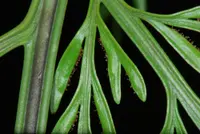
Its sori, the clusters of spore cases on the frond underside, are arranged in regular rows near the leaflet margins, a diagnostic feature botanists use to separate it from similar Cyrtomium species.

Botan icon

Did you know?

Cyrtomium fortunei was named in honor of the 19th‑century Scottish plant collector Robert Fortune, who introduced many East Asian ornamental species to Western horticulture through his expeditions in China and Japan.

FAQs about Asian netvein hollyfern

This species is evergreen in mild climates, holding its fronds year-round if protected from extreme cold and drying wind. In colder areas, fronds may scorch or die back in winter but new growth usually returns from the crown.

Grow Healthy Plants with Botan Care

Keep your plants happy and healthy with plant identification, disease detection, and easy care guidance.

Botan plant care app — identify plants on mobile

Explore More Plants