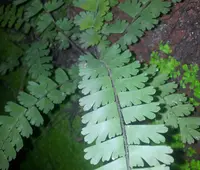
Cunningham’s maidenhair Care (Adiantum cunninghamii)

Also known as: Maidenhair
Cunningham’s maidenhair

About Cunningham’s maidenhair

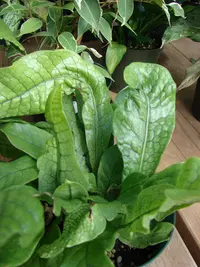
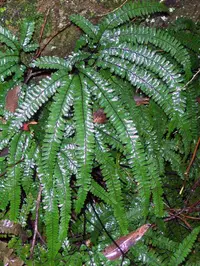
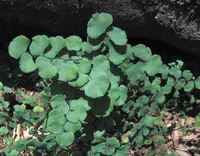
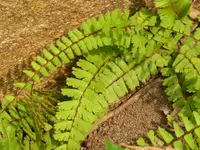
Cunningham’s maidenhair (Adiantum cunninghamii) is a delicate fern known for its fine, airy fronds carried on thin, dark stems. It forms spreading clumps rather than upright crowns, giving a soft, cascading look.

This species is native to New Zealand and parts of Australia, where it grows in moist, shaded rock crevices and forest habitats. Its thin fronds and fine roots dry out quickly, which makes it more demanding than many common houseplants.

To care for Cunningham’s maidenhair successfully, it usually needs stable moisture, high humidity, gentle indirect light, and a loose, well-drained but evenly damp growing mix.

Main Plant Requirements

Care Difficulty

Hard Care

Light Preference

Partial Shade

Water Requirements

Keep Soil Moist

Temperature Preference

Warm Climate

Hardiness Zone

10–11

Soil Texture

Loamy, Peaty, Organic-rich

Soil pH

Acidic (5.5–6.5)

Soil Drainage

Moist but well-drained

Fertilization

Light (every 4–6 weeks)

Get Personalized Care Plan

Scan your plant to receive care tips personalized for your specific plant

Available on iOS and Android

How to Care for the Cunningham’s maidenhair

This fern prefers soft, filtered light that mimics a shaded forest edge.

  • Provide bright, indirect light such as dappled shade under shrubs or 2–4 hours of gentle morning sun, avoiding direct midday or afternoon sun.
  • Cunningham’s maidenhair tolerates partial to full shade but fronds become sparse and weak if kept in very dim conditions for many weeks.
  • In summer, protect from intense sun with shade cloth or overstory plants; in winter, allow a bit more open light while still avoiding harsh direct rays.

This fern requires consistently moist but not waterlogged soil.

  • Water when the top 1–2 cm of soil feels just barely dry, aiming to keep the root zone evenly moist rather than cycling between wet and dry.
  • Use loose, humus-rich soil with good drainage; soggy conditions cause blackened, limp fronds and rotting rhizomes in Adiantum cunninghamii.
  • In warmer months, monitor more often and increase watering as fronds transpire faster; in cooler seasons, reduce frequency but do not let the soil fully dry out.

This fern grows best in mild, cool to warm conditions without temperature extremes.

  • Aim for 60–75°F (16–24°C) for steady growth, as prolonged temperatures above 82°F (28°C) can stress fronds and increase moisture loss.
  • Protect from cold; growth slows below 50°F (10°C) and foliage may be damaged near 40°F (4°C), with hard frost likely killing above-ground parts.
  • In hot spells, provide extra shade, air movement, and higher humidity; in cooler seasons, shelter plants from cold drafts and sudden temperature drops.

This fern needs consistently high humidity to maintain healthy, delicate fronds.

  • Aim for 60–80% humidity; use a hygrometer to monitor levels near Cunningham’s maidenhair.
  • Crisping tips, stalled growth, and frequent frond drop indicate air that is too dry.
  • Increase humidity with a pebble tray under the pot, grouping plants, or a cool-mist humidifier.

This fern prefers a loose, moist, organic-rich mix that drains freely but never dries out fully.

  • Use a mix of 2 parts peat or coco coir, 1 part fine bark, and 1 part perlite for Adiantum cunninghamii.
  • Aim for slightly acidic to neutral pH around 5.5–7.0 to support nutrient uptake and root health.
  • Ensure the mix feels springy and open, so fine roots have air spaces and excess water can escape quickly.
  • Avoid heavy garden soil, pure compost, or dense clay-based mixes that compact and stay waterlogged.

This species is well suited to container growing when moisture and stability are managed carefully.

  • Choose a wide, shallow pot to match its fibrous, surface-leaning root system and spreading fronds.
  • Select plastic or glazed ceramic containers if slower moisture loss is needed in warm, dry conditions.
  • Place the pot in a stable, sheltered position so light fronds are protected from wind that can desiccate them.

This fern benefits from light, consistent feeding during active growth but reacts poorly to strong fertilizer.

  • Use a balanced liquid fertilizer (around 10-10-10) diluted to 1/4–1/2 strength for caring for Cunningham’s maidenhair.
  • Feed every 4–6 weeks in spring and summer when new fronds are forming.
  • Skip or greatly reduce feeding in fall and winter when growth slows.
  • Avoid slow-release pellets touching roots; they can burn the fine root system.

Pruning Adiantum cunninghamii focuses on hygiene and light thinning rather than reshaping the plant.

  • Best time is late winter to early spring, just before or as new fronds emerge.
  • Cut brown, yellow, or damaged fronds at the base with clean, sharp scissors or snips.
  • Remove old, congested fronds to improve air flow and encourage fresh, upright growth.
  • Avoid cutting healthy green fronds heavily, as this reduces photosynthesis and vigor.

This fern prefers stable conditions, so repot only when clear signs of crowding appear.

  • Repot every 2–3 years when roots circle the pot, water drains too quickly, or growth slows.
  • Best timing is early spring, just as new fronds start to emerge.
  • Use a shallow, slightly larger pot with a loose, moisture-retentive mix and good drainage.
  • Handle the fine roots gently, disturb them as little as possible, water well, then keep humidity high to reduce stress.

Adiantum cunninghamii is most reliably propagated by careful division of established clumps.

  • Divide in early spring when repotting and new growth begins.
  • Gently lift the plant, then separate the root mass into small sections, each with several healthy fronds and rhizomes.
  • Plant divisions into a fine, moist, well-drained mix and keep humidity high and light indirect.
  • Keep the medium evenly moist and avoid temperature swings to support new root growth.

This fern is cool tolerant but not frost hardy, so it needs protection from freezing conditions.

  • In climates below 40°F, grow in containers so plants can be moved indoors for winter.
  • Indoors, keep temperatures around 55–70°F and avoid cold drafts or heater blasts.
  • Maintain high humidity and slightly drier (not dry) soil compared to summer, without letting the root ball fully dry.

Care Tips

Use broad trays

Place the pot on a wide pebble tray that extends at least 3–5 cm beyond the pot edge on all sides to keep the fronds out of splashing water and reduce brown spotting from wetting the foliage during humidity management.

Gentle air movement

Position a small fan on a low setting several feet away to keep air moving around the fronds, which helps prevent fungal issues in the dense foliage without drying the plant as long as there is no direct draft on it.

Segmented repotting

When the root mass fills the pot, divide the plant into several clumps and pot each into a slightly snug container so that crowded rhizomes regrow more evenly and are less prone to sudden collapse after stress.

Frond hygiene check

Inspect and lightly shake fronds over white paper every few weeks to spot early signs of pests like scale or mites, then prune and treat affected fronds promptly to prevent spread through the delicate canopy.

Seasonal relocation

Shift the plant slightly farther from windows or heat sources in winter and back toward brighter positions in spring, as this small seasonal adjustment stabilizes frond quality when growing Cunningham’s maidenhair in typical home environments.

Common Pests and Diseases

Scale insects

This pest attaches tightly to the frond stems and undersides, feeding on sap and causing yellowing, weak fronds, and sticky honeydew. Symptoms include small, dome-shaped brown or tan bumps that do not move when touched.

Solution

Remove heavily infested fronds and gently scrape or wipe remaining scale with a cotton swab dipped in isopropyl alcohol, taking care not to damage the thin rachis. Improve humidity and overall plant vigor, then repeat alcohol swabbing weekly until no new scale appears; horticultural oil sprays can be used at low concentration, but only after testing on a small area to ensure the delicate fronds tolerate it.

Fern aphids

These insects cluster on young, soft fronds and rachises, sucking sap and causing distortion, stunting, and sticky residue. This pest is especially attracted to tender new growth on well-watered Adiantum species.

Solution

Shower the plant with a gentle, lukewarm water spray to knock aphids off, shielding the potting mix to avoid waterlogging. Follow with applications of insecticidal soap at low strength every 5–7 days, ensuring full coverage of both sides of the fronds, and prune heavily deformed growth to support healthy new fronds when focusing on Adiantum cunninghamii care instructions.

Rhizoctonia leaf spot

This disease causes irregular tan to brown spots on pinnae, often with a darker border, which can merge and cause whole frond sections to die back. Symptoms include more rapid spread in warm, humid conditions, especially when fronds stay wet for long periods.

Solution

Remove and discard affected fronds promptly, then increase air movement around the plant and water at the soil level to keep fronds dry. Avoid crowding, reduce overhead misting, and if spread continues, apply a fern-safe fungicide labeled for Rhizoctonia, following directions carefully and testing on a small section first.

Botrytis blight

This disease appears as soft, water-soaked patches on fronds that turn brown and may develop a gray, fuzzy mold, especially in cool, stagnant, humid air. Symptoms include rapid collapse of delicate fronds starting from damaged or old tissue.

Solution

Cut off and discard all affected fronds and any dead plant debris from the soil surface, then increase ventilation and reduce humidity spikes by avoiding heavy misting in cool conditions. Space the plant away from walls or other plants and water in the morning so moisture can dry quickly; a targeted fungicide labeled for Botrytis can be used if cultural changes do not stop progression.

Fern mites

This pest consists of tiny, often invisible arachnids that distort new fronds, cause crisping of leaflet edges, and create a dull, rough look to the foliage without obvious webs. Symptoms include fronds that brown from the tips inward despite adequate watering and humidity.

Solution

Isolate the plant, then rinse fronds thoroughly with a gentle spray of lukewarm water, repeating every few days to reduce mite numbers. Increase ambient humidity without wetting foliage excessively and use a miticide or sulfur-free insecticidal soap labeled for mites, applied in several cycles to catch newly hatched individuals while monitoring closely for any sensitivity of the fine leaf tissue.

Interesting Facts

Rock crevice specialist

This fern often grows tucked into moist rock crevices and cliff faces in New Zealand and parts of Australia, anchoring its fine roots into tiny fissures where organic debris accumulates.

Delicate, wiry fronds

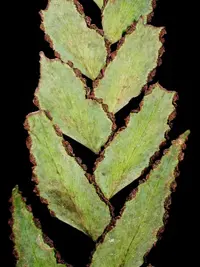
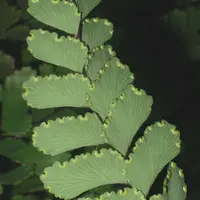
Its fronds are divided into very fine, narrow segments held on glossy dark stalks, giving a more threadlike and airy appearance than many other maidenhair ferns native to the same regions.

Cool, oceanic climate native

The species is naturally associated with cool, humid, oceanic climates, frequently found in shaded sites exposed to consistent moisture and mild temperatures near coasts and along streams.

FAQs about Cunningham’s maidenhair

Yellowing fronds usually result from overwatering, poor drainage, or low humidity. Check that the root zone is moist but not soggy, improve aeration, and avoid cold drafts or sudden temperature drops, which also stress this plant.

Grow Healthy Plants with Botan Care

Keep your plants happy and healthy with plant identification, disease detection, and easy care guidance.

Botan plant care app — identify plants on mobile

Explore More Plants