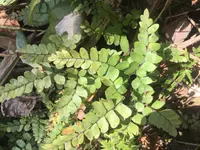
rough maidenhair Care (Adiantum hispidulum)

Also known as: Rough Maidenhair Fern, Rosy Maidenhair, Rose Maidenhair-fern, Five-finger Maidenhair
rough maidenhair

About rough maidenhair

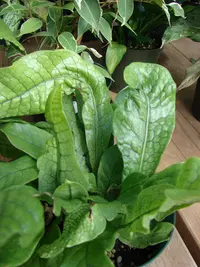
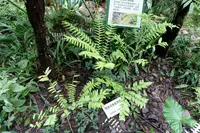
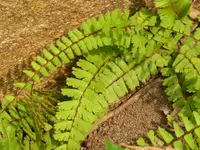
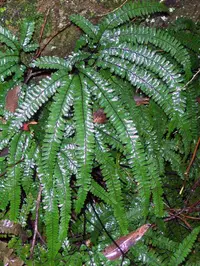
Rough maidenhair (Adiantum hispidulum) is a small, clumping fern known for its fine, feather-like fronds held on dark, wiry stems. New fronds often emerge coppery or pinkish before maturing to deep green, giving the plant a layered, textured look.

It is native to Australia, New Zealand, and parts of Asia, where it grows in sheltered, humid forest habitats. The plant prefers consistent moisture, gentle indirect light, and a loose, well-drained mix that does not stay waterlogged.

This species is somewhat less forgiving of neglect than many common houseplants, as it dislikes drying out or strong sun. Those who learn how to care for rough maidenhair usually find it rewarding and elegant for shaded indoor or protected outdoor spots.

Main Plant Requirements

Care Difficulty

Moderate Care

Light Preference

Partial Shade

Water Requirements

Keep Soil Moist

Temperature Preference

Tropical / Frost Sensitive

Hardiness Zone

10–11

Soil Texture

Loamy, Peaty, Organic-rich

Soil pH

Acidic (5.5–6.5)

Soil Drainage

Moist but well-drained

Fertilization

Light (every 4–6 weeks)

Get Personalized Care Plan

Scan your plant to receive care tips personalized for your specific plant

Available on iOS and Android

How to Care for the rough maidenhair

Adiantum hispidulum prefers soft, indirect light similar to a shaded forest floor edge.

  • Provide 3–5 hours of bright, filtered light daily, such as dappled shade under taller plants or sheer-curtained light near an east or north window.
  • Allow gentle morning sun only; protect rough maidenhair from strong midday or afternoon sun, which can scorch fronds and bleach color.
  • In summer, move it slightly deeper into shade if fronds pale or crisp; in darker months, shift closer to brighter indirect light to prevent leggy growth.

Adiantum hispidulum needs consistently moist but not waterlogged soil to maintain healthy fronds.

  • Water when the top 1–2 cm of soil feels just barely dry, using enough water so it drains freely away from the root zone.
  • Use a loose, humus-rich, well-draining mix; avoid standing water in saucers or low spots, which can cause blackened, mushy roots and foul odor.
  • In warmer months, expect faster drying and more frequent watering; in cooler seasons, let the surface dry slightly more and watch for crisp, curling fronds as a sign of underwatering.

This fern prefers mild, stable temperatures without sharp drafts or extremes.

  • Aim for 60–75°F (16–24°C) for steady growth; brief dips to 50°F (10°C) are tolerated but slow growth noticeably.
  • Protect from frost, as tissue damage occurs near 32°F (0°C); in cold climates, provide shelter or move plants before night temperatures approach this level.
  • In hot spells above 80°F (27°C), increase shade and humidity, avoid hot, reflective surfaces, and prevent soil from drying out completely to reduce heat stress.

This fern needs consistently high humidity to keep fronds fine and healthy.

  • Aim for 60–80% humidity; lower levels quickly dry the delicate leaf edges of rough maidenhair.
  • Crisping tips, frond drop, and stalled new growth indicate air that is too dry.
  • Increase humidity with a nearby humidifier, grouped plants, or a pebble tray, avoiding direct misting of fronds.

This species prefers a moist, airy, organic-rich mix that drains freely yet does not dry out quickly.

  • Use a loose, humus-rich mix such as 2 parts peat or coco coir, 1 part fine compost, and 1 part perlite or fine bark.
  • Ensure fast drainage so water flows through in seconds, but choose ingredients that retain gentle, even moisture afterward.
  • Keep pH slightly acidic to neutral, around 6.0–7.0, which supports nutrient uptake for Adiantum hispidulum.
  • Avoid heavy garden soil, compacted mixes, or containers that stay waterlogged, which suffocate fine feeder roots.

This fern adapts well to container growing when moisture and root space are managed carefully.

  • Select a pot just slightly wider than the root mass so the mix stays evenly moist instead of remaining wet and cold in unused areas.
  • Choose a deeper container rather than a shallow one to buffer moisture swings and protect fine roots from drying.
  • Use a stable, heavier pot material if the fronds arch strongly, to prevent tipping when the foliage becomes dense.

This fern benefits from light, consistent feeding during active growth but reacts poorly to heavy fertilizer.

  • Use a balanced liquid fertilizer (around 10-10-10) diluted to 1/4–1/2 strength for rough maidenhair.
  • Apply every 4–6 weeks in spring and summer when fronds are actively growing.
  • Skip or greatly reduce feeding in fall and winter when growth slows.
  • Avoid granular or strong synthetic products that can burn fine roots; organic compost tea is gentler.

Pruning Adiantum hispidulum focuses on removing old fronds and keeping the clump airy and healthy.

  • Best time is late winter to early spring, before strong new growth begins.
  • Cut dead, yellowing, or damaged fronds at the base with clean, sharp scissors.
  • Thin a few crowded, inward-growing fronds to improve air flow and reduce disease risk.
  • Light, periodic shaping maintains a tidy outline without cutting into soft new fronds.

This fern prefers slightly tight conditions, so repot only when clear stress signs appear.

  • Repot when roots circle the pot surface, water drains very quickly, or growth slows despite good care.
  • Plan repotting for spring, every 2–3 years, moving to a pot only 2–3 cm wider.
  • Use a moisture-retentive, free-draining mix and keep the original root ball as intact as possible.
  • Water well after repotting, shade from harsh sun, and maintain high humidity for 1–2 weeks to limit root stress.

Adiantum hispidulum is most practically propagated by division rather than from spores in home settings.

  • Divide mature clumps in spring when new fronds just emerge and conditions are mild.
  • Lift the plant, then gently separate the rhizome into sections, each with healthy roots and several fronds.
  • Plant divisions into small pots with moist, airy mix and firm gently to eliminate air gaps.
  • Maintain constant, even moisture and high humidity in bright, indirect light until new growth appears.

This fern is frost-sensitive and needs sheltered conditions in regions with cold winters.

  • In USDA zones colder than 9, grow in containers and move indoors before temperatures drop below 40°F.
  • Outdoors in mild climates, add a 3–5 cm mulch layer around the root zone, keeping mulch off the crowns.
  • Indoors, maintain 55–70°F, bright indirect light, and steady humidity, avoiding drafts and heater blasts.

Care Tips

Frond refresh cycle

Allow old fronds to age naturally, then cut them cleanly at the base in late winter or early spring to trigger a flush of fresh, compact growth and keep the plant looking even.

Moisture-buffer mulch

Add a 1–2 cm top layer of fine orchid bark or decomposed pine needles on the soil surface to stabilize moisture around the shallow rhizomes and reduce sudden drying between waterings.

Gentle root division

Every 2–3 years, divide the clump into 2–3 sections with a sterile, sharp knife, keeping several healthy fronds and firm rhizomes per piece to rejuvenate the plant and produce backup specimens.

Tray microclimate

Place the pot inside a slightly larger cachepot lined with damp sphagnum moss or leca, keeping the inner pot above standing water, to create a stable, humid microclimate around the fronds without soaking the roots.

Recovery staging area

After transplant stress or minor drought, move the plant to a bright, wind-free bathroom or similarly humid room for 1–2 weeks to reduce transpiration and support frond recovery when caring for rough maidenhair.

Common Pests and Diseases

Scale insects

This pest feeds on frond sap and often appears as tiny brown bumps along the wiry stems and undersides of leaf segments. Symptoms include sticky honeydew, sooty mold, and gradual yellowing or dieback of fronds.

Solution

Remove heavily infested fronds and gently scrape or wipe remaining scale with a cotton swab dipped in 70% isopropyl alcohol. Improve air circulation, avoid overfertilizing with high-nitrogen products, and repeat alcohol spot-treatments weekly until no new scale appears; horticultural oil sprays can be used on cool, overcast days if the fern tolerates them in a small test area.

Aphids

These insects cluster on soft new fronds and rachises, sucking sap and causing distortion, curling, or stunted growth. Sticky honeydew and occasional sooty mold may also develop on the fine foliage.

Solution

Rinse fronds thoroughly with a gentle but steady stream of lukewarm water, supporting the delicate foliage with your hand. For persistent infestations, use insecticidal soap diluted according to label directions, applying in the early morning and repeating every 5–7 days until new growth emerges clean, which is a key part of Adiantum hispidulum plant care in containers and shaded gardens.

Fern leaf spot

This disease causes small, dark brown to black spots or blotches on the leaflets that may coalesce, giving fronds a speckled or scorched appearance. Symptoms include premature browning and shedding of affected fronds under persistently damp, stagnant air conditions.

Solution

Prune and discard affected fronds, sterilizing scissors between cuts, and avoid wetting the foliage when watering. Increase airflow, reduce overcrowding, and keep humidity moderate rather than dripping; in severe or recurrent cases, a labeled fungicide for ornamental ferns can be used according to directions after cultural conditions are corrected.

Rhizoctonia crown rot

This disease attacks the crown and basal fronds in overly wet, poorly drained conditions, causing blackened, mushy tissue and sudden collapse of fronds from the center. Symptoms include a foul smell at the base and poor recovery of new growth despite normal light and temperature.

Solution

Immediately remove the plant from saturated media, trim away all soft or blackened crown and root tissue with sterilized tools, and repot into fresh, well-drained but evenly moist mix. Improve drainage, water only when the top of the mix just begins to feel slightly dry, and avoid water sitting in saucers to prevent reinfection.

Spider mites

These pests favor dry indoor air and can cause fine stippling, dulling, and eventual bronzing of the delicate fronds, sometimes with faint webbing between leaf segments. Symptoms include general decline and fronds that look dusty or faded despite normal fertilization.

Solution

Shower the plant gently with lukewarm water, paying close attention to the undersides of the leaflets, and raise humidity to 50–60% while avoiding stagnant, dripping conditions. For ongoing issues, use insecticidal soap or a horticultural oil labeled for mites, applied at 5–7 day intervals and always tested on a small frond first to ensure the rough maidenhair tolerates the treatment without scorch.

Interesting Facts

Natural rock crevice specialist

In the wild, this fern often grows in shallow soil pockets on rock faces, cliff ledges, and old walls, anchoring its wiry rhizomes into tiny crevices where many other ferns cannot persist.

Hairy surfaces function

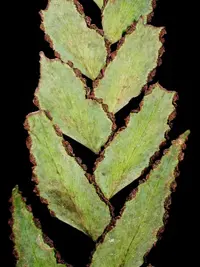
The fronds and stipes have fine, stiff hairs that slightly reduce water loss and may offer limited protection from insect herbivores, a feature that sets it apart from many other maidenhair ferns with smoother tissues.

Copper-pink juvenile fronds

New fronds typically emerge in coppery pink to bronze tones and gradually turn green as they mature, a color shift linked to pigments that can help protect tender tissue from strong light and ultraviolet radiation.
Botan icon

Did you know?

This species has an unusually wide natural distribution for a maidenhair fern, occurring from eastern Australia and New Zealand through parts of Polynesia and Malesia to southern and eastern Asia, where it occupies both relatively dry rocky sites and moister forest habitats.

FAQs about rough maidenhair

Brown tips or fronds usually indicate low humidity, underwatering, or exposure to hot, dry air. Check that the root ball never fully dries, keep it away from heating vents, and increase ambient humidity around the plant.

Grow Healthy Plants with Botan Care

Keep your plants happy and healthy with plant identification, disease detection, and easy care guidance.

Botan plant care app — identify plants on mobile

Explore More Plants