California maidenhair Care (Adiantum jordanii)

Also known as: California Maidenhair Fern
California maidenhair

About California maidenhair

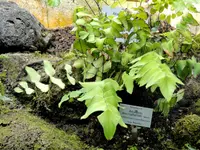
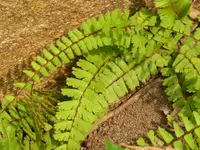
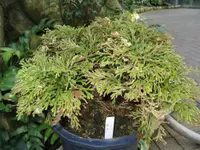
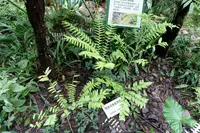
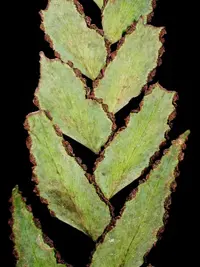
California maidenhair (Adiantum jordanii) is a delicate deciduous fern known for its fine, fan-shaped leaf segments on wiry, dark purple-black stems. It forms loose clumps that spread slowly, creating soft, airy foliage rather than dense groundcover.

This species is native to shaded, rocky slopes and streambanks of California and parts of the Pacific Coast, where it grows in cool, moist microclimates. Its thin fronds and shallow roots dry out quickly, which makes it more demanding than many common houseplants.

Adiantum jordanii prefers bright, indirect light, constant moisture, and humus-rich, well-drained soil. Understanding these needs is key to successful care for California maidenhair.

Main Plant Requirements

Care Difficulty

Hard Care

Light Preference

Partial Shade

Water Requirements

Keep Soil Moist

Temperature Preference

Cool Climate

Hardiness Zone

8–10

Soil Texture

Loamy, Silty, Organic-rich

Soil pH

Acidic (5.5–6.5), Slightly acidic (6.5–7.0)

Soil Drainage

Moist but well-drained

Fertilization

Minimal (feed rarely)

Get Personalized Care Plan

Scan your plant to receive care tips personalized for your specific plant

Available on iOS and Android

How to Care for the California maidenhair

This fern prefers bright, gentle light that mimics dappled woodland shade.

  • Provide 2–4 hours of soft morning sun with bright, filtered light for the rest of the day, such as under open tree canopy or shade cloth.
  • Allow partial to full shade in hotter regions; protect California maidenhair from direct midday and afternoon sun to prevent frond scorch and crisping.
  • If fronds grow sparse, pale, or elongated, increase indirect light; in winter, ensure it receives as much bright, shaded light as possible.

Moist, cool, well-drained soil is essential for healthy Adiantum jordanii fronds.

  • Keep soil consistently moist but not saturated; allow only the top 1–2 cm to begin drying before watering again.
  • Use loose, humus-rich soil with good drainage; soggy conditions cause blackening bases and limp fronds, while bone-dry soil leads to crisp, brown pinnae (leaflets).
  • In spring and summer, monitor closely during heat or wind; in fall and winter, reduce frequency but never let the root zone fully dry out.

This species prefers mild, frost-protected conditions with cool to warm temperatures.

  • Aim for 60–75°F (16–24°C) during active growth for best frond production and steady moisture use.
  • The plant can survive brief drops to about 25–28°F (-4 to -2°C) but fronds may die back; protect crowns with mulch in colder snaps.
  • In hot spells above 85°F (29°C), give deep shade, shelter from hot wind, and extra humidity to reduce stress and frond browning.

This fern needs consistently high humidity to keep fronds healthy and hydrated.

  • Aim for 60–80% humidity; prolonged levels below 40% cause frond edges to brown and curl.
  • Dry indoor air leads to crisping leaf tips and premature frond drop, even when soil is moist.
  • Increase humidity with a room humidifier, grouped plants, or a shallow pebble tray under the California maidenhair, never misting so heavily that fronds stay wet for hours.

This species prefers loose, moisture-retentive yet well-drained soil that mimics woodland leaf litter.

  • Use a mix of roughly 50% peat or coco coir, 30% fine compost, and 20% perlite or fine bark for structure and aeration.
  • Aim for slightly acidic to neutral pH, around 6.0–7.0, avoiding strongly alkaline mineral soils that can limit nutrient uptake.
  • Keep texture light and crumbly, so excess water drains within minutes but the surface does not crust or compact.
  • Avoid heavy clay, pure sand, or dense potting soil without amendments, which either suffocate roots or dry out too fast for Adiantum jordanii.

This fern adapts well to container growing when moisture and stability are carefully managed.

  • Choose a wide, shallow pot to match its fibrous, shallow root system and support spreading fronds without waterlogging the crown.
  • Select a non-porous or glazed pot if rapid drying is a problem, as it slows moisture loss compared with unglazed terracotta.
  • Ensure drainage holes stay clear and empty saucers promptly so the root zone never sits in stagnant water that encourages rot.

Adiantum jordanii is light-feeding and benefits from modest nutrition during active growth.

  • Use a balanced liquid fertilizer (e.g., 10-10-10 or 20-20-20) diluted to 1/4–1/2 strength for California maidenhair in pots.
  • Apply every 4–6 weeks in spring and early fall when fronds are actively growing.
  • Skip or greatly reduce feeding in summer dormancy and winter, especially for in-ground plants.
  • Avoid manure-heavy or very salty products; flush the potting mix with plain water if leaf tips brown.

Pruning Adiantum jordanii focuses on hygiene and maintaining a fresh, airy clump.

  • In late winter or early spring, remove dead, yellow, or crispy fronds at the base with clean scissors or pruners.
  • Trim damaged or diseased fronds promptly at any time to limit spread and keep new growth well lit.
  • Thin out crowded older fronds to improve air flow and highlight fresh, delicate foliage.
  • Disinfect cutting tools before and after use to reduce fungal problems.

Adiantum jordanii dislikes disturbance, so repot or transplant only when clearly necessary.

  • Check for roots circling the pot drainage holes, water running straight through, or slowed growth as signs to move up one size.
  • Plan repotting or garden transplanting for early spring, just before new fronds emerge, about every 3–4 years at most.
  • Use a slightly larger, shallow container or cool, moist, well-drained outdoor site, handling the root ball gently to avoid breakage.
  • Water thoroughly, then keep soil evenly moist and shaded for several weeks to reduce transplant shock.

Propagation of Adiantum jordanii is possible but slower than many common houseplants.

  • Divide established clumps in early spring, when new fiddleheads just appear and soil is moist but not waterlogged.
  • Lift the plant carefully, then split the rhizome into sections, each with healthy roots and several buds or fronds.
  • Replant divisions at original depth in a fine, humus-rich, consistently moist medium under bright, indirect light.
  • Spore sowing is advanced; it requires sterile medium, high humidity, and warm, stable temperatures to germinate.

Adiantum jordanii is relatively cold tolerant in its native range but foliage can be damaged by hard frost.

  • In-ground plants in mild climates usually overwinter without special protection; fronds may die back and re-sprout in spring.
  • Apply a 3–5 cm layer of leaf mold or fine bark mulch around the root zone, keeping it off the crown.
  • Move containers into a sheltered, frost-free spot with bright shade and keep the soil just slightly moist, not wet.

Care Tips

Seasonal Dormancy Management

In regions with dry summers, allow fronds to die back naturally, then cut them to ground level and keep the root zone barely moist so the plant can resprout strongly with autumn rains.

Rocky Crevice Planting

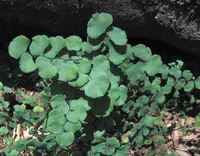
For outdoor plantings, tuck the rhizomes into shallow rocky crevices or between stones with fast-draining humus-rich fill to mimic natural cliffside habitats and improve long-term crown health.

Moisture Buffer Mulch

Apply a thin (1–2 cm) layer of fine bark or leaf mold around but not over the crown to buffer soil moisture and temperature without suffocating new fiddleheads as they emerge.

Frond Hygiene Checks

Inspect the delicate pinnae during routine watering and remove any fronds with brown lesions or persistent spotting to reduce disease spread in dense, humid clumps.

Container Rotation Strategy

If grown in a pot, rotate the container a quarter turn every 2–3 weeks so the fronds develop evenly and do not lean strongly toward one side, which helps when caring for California maidenhair on a bright windowsill or patio.

Common Pests and Diseases

Scale insects

This pest feeds on frond stems and undersides of pinnae, causing yellowing, weakened growth, and sticky honeydew that can attract sooty mold. Infestations are more common on plants grown in sheltered, low-airflow sites or in container culture.

Solution

Remove heavily infested fronds and gently scrape or wipe remaining scale with a cotton swab dipped in 70% isopropyl alcohol, taking care not to damage the thin fronds. Improve air movement, avoid excess nitrogen fertilization, and if needed use a light horticultural oil spray labeled for ferns, applied in the coolest part of the day and tested on a small section first.

Fern aphids

These insects cluster on young fronds and rachises, sucking sap and causing distortion, stunting, and sticky honeydew deposits. Populations can rise quickly on soft new growth during mild, moist weather.

Solution

Rinse fronds thoroughly with a gentle but firm stream of water to dislodge aphids, repeating every few days until numbers stay low. Encourage natural predators outdoors, avoid overfertilizing, and if necessary apply insecticidal soap formulated for ferns, ensuring full coverage of both sides of fronds and repeating as directed.

Rhizoctonia leaf blight

This disease produces irregular tan to brown lesions that can coalesce and cause entire fronds to collapse, especially in dense, damp plantings. Symptoms include rapid decline of the plant’s foliage when fronds stay wet for long periods.

Solution

Remove and discard all affected fronds and surface debris, then reduce overhead watering so fronds dry quickly and increase spacing or airflow around plants. For valuable specimens, a fungicide labeled for Rhizoctonia on ferns may be used according to label directions, combined with long-term moisture management as part of Adiantum jordanii care instructions.

Bacterial leaf spot

This disease causes small, water-soaked translucent spots on fronds that may enlarge, darken, and develop yellow halos. Symptoms include more severe damage when fronds are frequently splashed or kept constantly wet.

Solution

Prune and dispose of spotted fronds, avoid overhead watering, and water at soil level to keep foliage dry. Improve air circulation, avoid crowding, and disinfect tools between plants; in severe or recurring cases, discard heavily affected container plants to prevent spread to healthy ferns.

Interesting Facts

California cliff specialist

This species is native to California and southwestern Oregon, where it typically grows on shaded, moist rocky slopes, cliffs, and banks in foothill and coastal habitats rather than in deep forest understory.

Seasonal dying back

In many of its native sites, the fronds naturally die back to the rhizome during the dry summer season and then resprout with winter and spring rains, showing a strong adaptation to Mediterranean-type climates.

Coppery new growth

Young fronds often emerge with a bronze or coppery tint before maturing to light green, a feature that helps distinguish it from some other North American maidenhair ferns.
Botan icon

Did you know?

Adiantum jordanii is one of the primary reported natural hosts of the sudden oak death pathogen Phytophthora ramorum, acting as a foliar reservoir that can help the disease persist and spread in affected ecosystems.

FAQs about California maidenhair

Fronds usually brown from low humidity, missed waterings, or excessive heat. Old fronds also age and dry naturally. Trim dead tissue, keep the root zone evenly moist, and maintain stable, cool conditions to prevent further browning.

Grow Healthy Plants with Botan Care

Keep your plants happy and healthy with plant identification, disease detection, and easy care guidance.

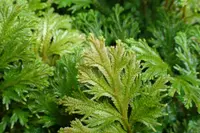
Botan plant care app — identify plants on mobile

Explore More Plants