Torn Maidenhair Fern Care (Adiantum incisum)

Torn Maidenhair Fern

About Torn Maidenhair Fern

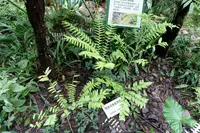
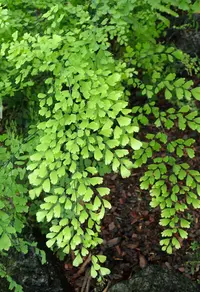
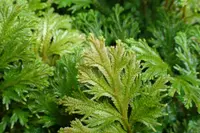
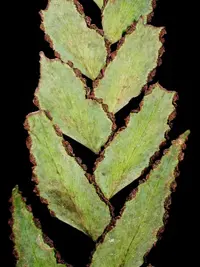
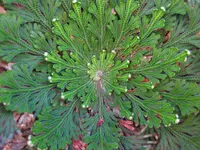
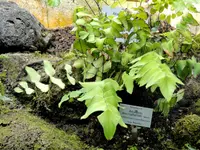
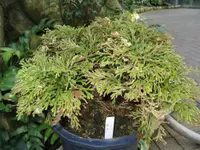
Torn maidenhair fern, Adiantum incisum, is a delicate, evergreen fern valued for its fine, lace-like fronds and graceful, arching habit. It forms loose clumps, with fronds divided into many small, irregularly shaped leaf segments on dark, wiry stems.

This species is native to tropical and subtropical regions of Asia and Africa, where it grows in humid, shaded rock crevices and along moist forest slopes. Its thin fronds and shallow roots make it sensitive to drying out and sudden environmental changes, so it is considered moderately challenging for beginners.

Those who want to learn how to care for Torn Maidenhair Fern should focus on stable humidity, gentle indirect light, and a consistently lightly moist, free-draining substrate.

Main Plant Requirements

Care Difficulty

Hard Care

Light Preference

Partial Shade

Water Requirements

Keep Soil Moist

Temperature Preference

Tropical / Frost Sensitive

Hardiness Zone

10–12

Soil Texture

Loamy, Peaty, Organic-rich

Soil pH

Acidic (5.5–6.5)

Soil Drainage

Moist but well-drained

Fertilization

Light (every 4–6 weeks)

Get Personalized Care Plan

Scan your plant to receive care tips personalized for your specific plant

Available on iOS and Android

How to Care for the Torn Maidenhair Fern

Adiantum incisum prefers soft, filtered light that mimics a shaded woodland edge.

  • Provide bright, indirect light or dappled shade, such as under taller plants or 1–2 m from an east- or north-facing window for Torn Maidenhair Fern.
  • Allow gentle morning sun for 1–3 hours, but protect from strong midday and afternoon sun, which can scorch fronds and cause leaf edges to brown.
  • In summer, shift plants slightly deeper into shade; in winter, move them closer to bright windows or thinner canopy to maintain healthy frond density.

This fern needs steadily moist but not waterlogged soil around its shallow roots.

  • Water whenever the top 1–2 cm of soil feels barely dry, using enough to moisten the whole root zone, then let excess drain completely.
  • In spring and summer, expect more frequent watering and watch fronds for slight droop or crisping tips as signs the plant has dried too far.
  • In autumn and winter, reduce frequency but do not let soil fully dry; yellowing, limp fronds and a sour smell indicate overwatering and poor drainage.

This species thrives in mild, stable temperatures with high humidity.

  • Aim for 65–80°F (18–27°C) for active growth; it tolerates brief dips to 55°F (13°C) but growth will slow.
  • Protect from frost; temperatures below 40°F (4°C) can damage fronds, and repeated freezing may kill the crown.
  • In hot weather above 85°F (29°C), increase shade and humidity, avoid hot, drying winds, and never place close to heaters or other strong heat sources.

This fern needs consistently high humidity to keep its fronds healthy and hydrated.

  • Aim for 60–80% humidity; prolonged levels below 50% quickly dry delicate fronds.
  • Dry indoor air causes crisping tips, frond drop, and stalled new growth, especially on Torn Maidenhair Fern.
  • Increase humidity with a pebble tray under the pot, grouped plants, or a cool-mist humidifier rather than misting alone.

Adiantum incisum prefers a loose, moisture-retentive yet well-draining mix rich in organic matter.

  • Use a mix of 50% peat or coco coir, 30% fine compost, and 20% perlite or fine bark for aeration.
  • Keep the structure crumbly and soft so roots receive both oxygen and stable moisture without compaction.
  • Target slightly acidic to neutral pH around 6.0–7.0, which supports nutrient availability for steady frond growth.
  • Avoid heavy garden soil, pure sand, or mixes that stay waterlogged, as these favor root rot and decline.

This species grows reliably in containers when the pot supports its shallow, fibrous root system.

  • Choose a wide, shallow pot that allows lateral root spread and prevents the crown from sitting too deep.
  • Select a non-porous pot material, such as glazed ceramic or plastic, to slow evaporation and maintain even moisture.
  • Ensure large, unobstructed drainage holes so excess water exits rapidly and the lower root zone never stays saturated.

Adiantum incisum is a light feeder that benefits from modest nutrition during active growth.

  • Apply a balanced liquid fertilizer (for example 10-10-10) at 1/4–1/2 strength every 4–6 weeks in spring and summer.
  • Use either diluted balanced NPK or a thin layer of fine compost, not both at once.
  • Reduce feeding in fall and stop in winter, as Torn Maidenhair Fern growth slows.
  • Water before applying fertilizer to reduce root burn risk.

Pruning Adiantum incisum focuses on removing old fronds to keep the clump healthy and neat.

  • Cut dead, yellowing, or damaged fronds at the base using clean, sharp scissors or snips at any time of year.
  • In late winter or early spring, thin crowded fronds to improve air flow and light penetration.
  • Remove only a portion of fronds at once to avoid stressing the plant and to maintain a balanced shape.
  • Discard diseased material and avoid composting it to limit spread of fungal problems.

This fern prefers stable conditions, so repotting or transplanting is done only when clear signs appear.

  • Check for roots circling the pot, pushing through drainage holes, or noticeably slowed growth over a full season.
  • Plan to repot every 2–3 years in spring, moving to a pot only 2–3 cm wider with a loose, well-drained, peat-free fern mix.
  • Water well the day before, then gently loosen the root ball and keep roots shaded and moist during the process.
  • After transplanting, water thoroughly, keep humidity high, and place in bright, indirect light to limit transplant shock.

Adiantum incisum is most reliably propagated by careful division of established clumps.

  • Divide in spring when new fronds start to emerge and the plant is actively growing.
  • Lift the plant from its pot, then split the rhizome into sections, each with several healthy fronds and firm roots.
  • Replant divisions into small pots with moist, fine-textured fern mix, firming gently around roots.
  • Maintain high humidity, consistent moisture, and warm temperatures around 68–75°F to support establishment.

This fern is not strongly frost tolerant and needs some winter consideration in cooler climates.

  • In regions with frost, grow Adiantum incisum in containers and move indoors before temperatures drop below 50°F.
  • Indoors, keep it in bright, indirect light with stable temperatures of 60–75°F and moderate to high humidity.
  • Reduce watering slightly in winter, keeping the mix lightly moist but never waterlogged.
  • For plants in mild, frost-free areas, add a thin mulch layer around the root zone to buffer temperature swings.

Care Tips

Pot selection strategy

Use a wide, shallow pot with ample drainage holes, as this fern forms a fibrous, surface-oriented root system that fills horizontal space faster than depth and benefits from even moisture distribution.

Frond edge management

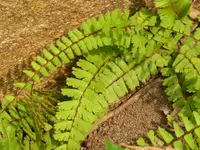
Remove only fully browned or torn fronds at the base using clean, sharp scissors, leaving lightly damaged but still green fronds to continue photosynthesis and support energy reserves.

Substrate top-dressing

Apply a thin 0.5–1 cm layer of fine orchid bark or horticultural grit over the soil surface to reduce splash damage on delicate fronds and to stabilize the crown when watering.

Humidity zoning setup

Group this fern with other moisture-loving plants on a wide tray filled with water and pebbles so that evaporating water raises local humidity around the foliage without letting the pot sit in water.

Quarantine and monitoring

When adding new plants nearby, keep them in a separate area for 2–3 weeks and inspect undersides of fronds weekly so pests or fungal issues do not spread onto this species, which can be sensitive to systemic treatments when caring for Torn Maidenhair Fern.

Common Pests and Diseases

Scale insects

These insects feed on frond sap, causing yellowing pinnae, stunted growth, and sticky honeydew that can lead to sooty mold. Symptoms include small, dome-shaped brown or tan bumps along stems and frond midribs.

Solution

Physically remove scales with a cotton swab dipped in isopropyl alcohol and rinse fronds with lukewarm water to reduce numbers. For heavier infestations, apply a light horticultural oil or insecticidal soap to all frond surfaces every 7–10 days, keeping the fern out of direct sun until foliage is dry.

Mealybugs

This pest often hides in frond bases and along rachises, leaving white cottony clusters and causing fronds to yellow and weaken. Honeydew excretions can attract sooty mold and ants.

Solution

Isolate the plant, then dab visible mealybugs with a cotton swab dipped in isopropyl alcohol and gently shower the plant to dislodge insects. Repeat treatments with insecticidal soap on leaf undersides and crown areas weekly until no new mealybugs appear, and avoid overfertilizing, which encourages rapid, soft growth.

Spider mites

These insects thrive in low humidity and warmth, causing fine speckling, dull fronds, and, in severe cases, delicate webbing between pinnae. This pest is especially problematic for finely divided fern foliage that dries quickly.

Solution

Increase humidity to 60–70%, then rinse fronds thoroughly under a gentle shower or with a sprayer, focusing on undersides. Follow with repeated applications of insecticidal soap or a miticidal oil labeled for ferns at 5–7 day intervals, ensuring good coverage while avoiding direct midday sun on treated fronds.

Rhizoctonia blight

This disease produces brown, sunken lesions at the base of fronds and along the rhizome, leading to sudden collapse of individual fronds in dense, humid conditions. Symptoms include patchy dieback and sometimes visible brown web-like fungal growth on the soil surface or crown.

Solution

Remove and discard affected fronds and any visibly infected rhizome sections, then improve air circulation and avoid overhead watering late in the day. Allow the surface mix to dry slightly between waterings, and if decline continues, repot into fresh, well-drained but moisture-retentive fern mix and apply a fungicide labeled for Rhizoctonia on ferns according to package directions.

Bacterial leaf spot

Symptoms include small, water-soaked translucent spots on pinnae that enlarge into irregular brown lesions with yellowish margins, often spreading quickly in warm, poorly ventilated, very humid environments. This disease can distort new fronds and reduce the fine texture typical of this species.

Solution

Promptly remove and discard affected fronds and avoid splashing water onto foliage, especially in indoor settings. Improve airflow around the plant, water at the soil level in the morning, reduce crowding with other plants, and, in severe or persistent cases, consider replacing the plant rather than attempting chemical control, as bactericides are of limited effectiveness for home growers.

Interesting Facts

Native rocky specialist

This fern is naturally found on moist, shaded rock faces and walls in parts of the Himalayas and surrounding regions, where its fine roots anchor into crevices and thin soil layers.

Distinctive torn pinnae

The common name torn maidenhair fern comes from the irregularly lobed and incised edges of its small leaf segments (pinnae), which look as if they have been delicately torn or notched.

Cool, humid preference

In the wild it typically grows in cool, humid montane habitats, which helps explain its sensitivity to dry indoor air and preference for consistently moist conditions in cultivation.

FAQs about Torn Maidenhair Fern

Growth is moderate rather than fast. In good conditions, new fronds appear steadily through the growing season, with clumps expanding by a few centimeters each year. Container size, humidity, and nutrition strongly influence how quickly it fills out.

Grow Healthy Plants with Botan Care

Keep your plants happy and healthy with plant identification, disease detection, and easy care guidance.

Botan plant care app — identify plants on mobile

Explore More Plants